
CASインサイト
創薬
送信が完了しました。ありがとうございます。
フォームの送信中にエラーが発生しました。


フィルター
医薬品特許の現状に関するCAS Insightsウェビナーのハイライト
ウェビナー要約:特許分析から読み解く製薬イノベーションの行方。治療モダリティの多様化や分子標的の拡大から、研究が加速する疾患領域までを網羅します。

免疫腫瘍学における新たなトランスレーショナルリサーチは、現在の治療法に反応しない患者さんへ新たな選択肢を届ける可能性があります。
免疫療法はプレシジョン・オンコロジー(精密がん医療)を推進していますが、既存のがん免疫療法がすべての患者に有効なわけではありません。トランスレーショナルリサーチの現状を調査した結果、臨床試験で有望な結果を示している標的や治療法が明らかになりました。
CAS Insightsレポート:特許インテリジェンスで解き明かす製薬イノベーションの未来。
過去5年間の世界の医薬品特許データは、この分野が根本的な転換期にあることを示しています。治療プラットフォームは多様化し、分子標的は従来のタンパク質を大きく超えて拡大しており、疾患の焦点もこれまで治療困難とされていた領域へとシフトしています。これらのパターンは、イノベーションがどこに集中しているかだけでなく、
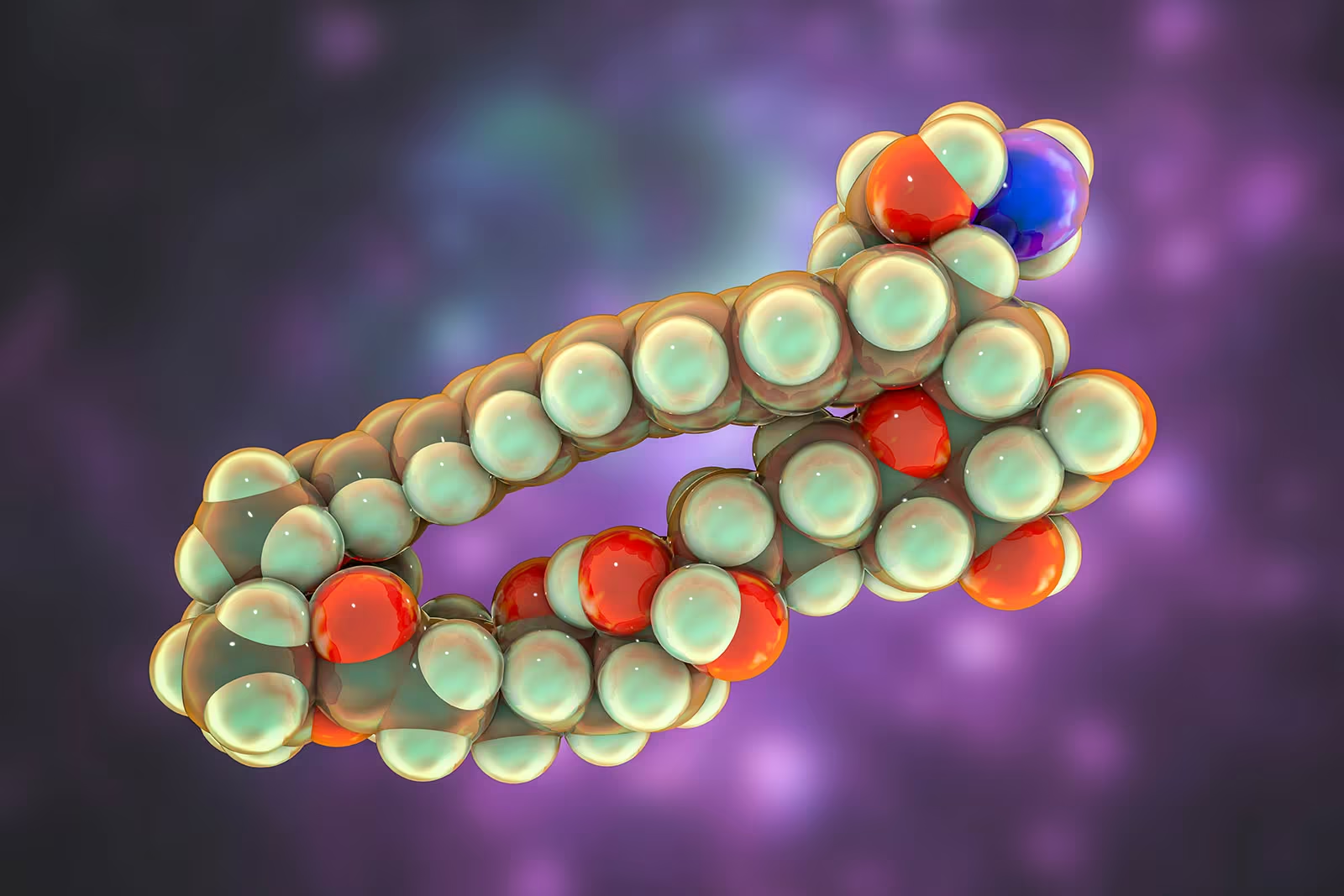
創薬における環状ペプチドのトレンドと治療の方向性
経口投与法の改善に伴い、環状ペプチドはがん、炎症性疾患、感染症などの治療を向上させています。
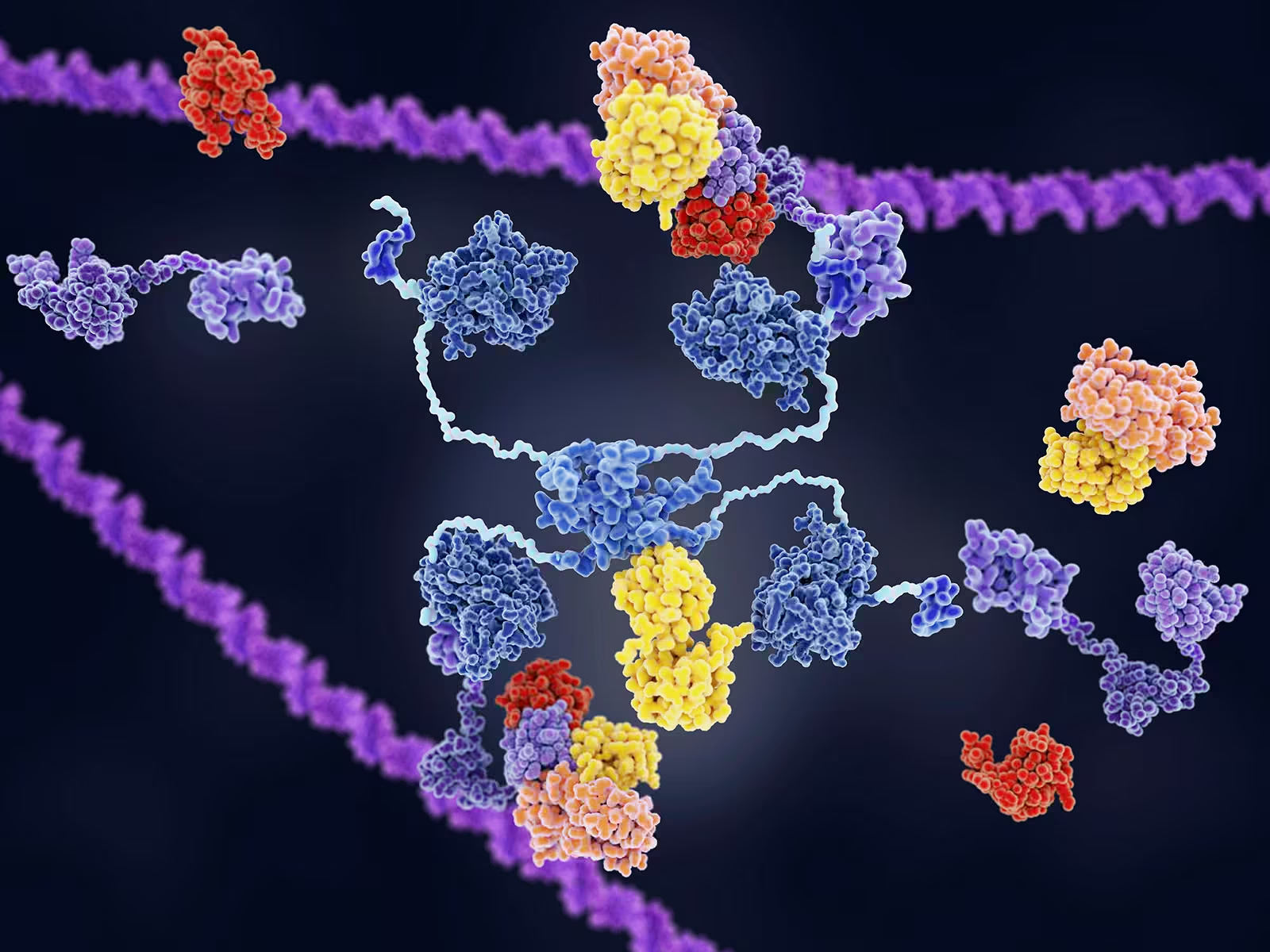
AIを活用した分析がいかに創薬を加速させるか
スピロ[2.3]ヘキサンは、新規医薬品化合物の骨格として有望でありながら、同時に課題も多い構造です。研究者らは、CAS BioFinderを活用したAI予測分析を用いることで、検証対象となる候補化合物をより効率的に特定しました。
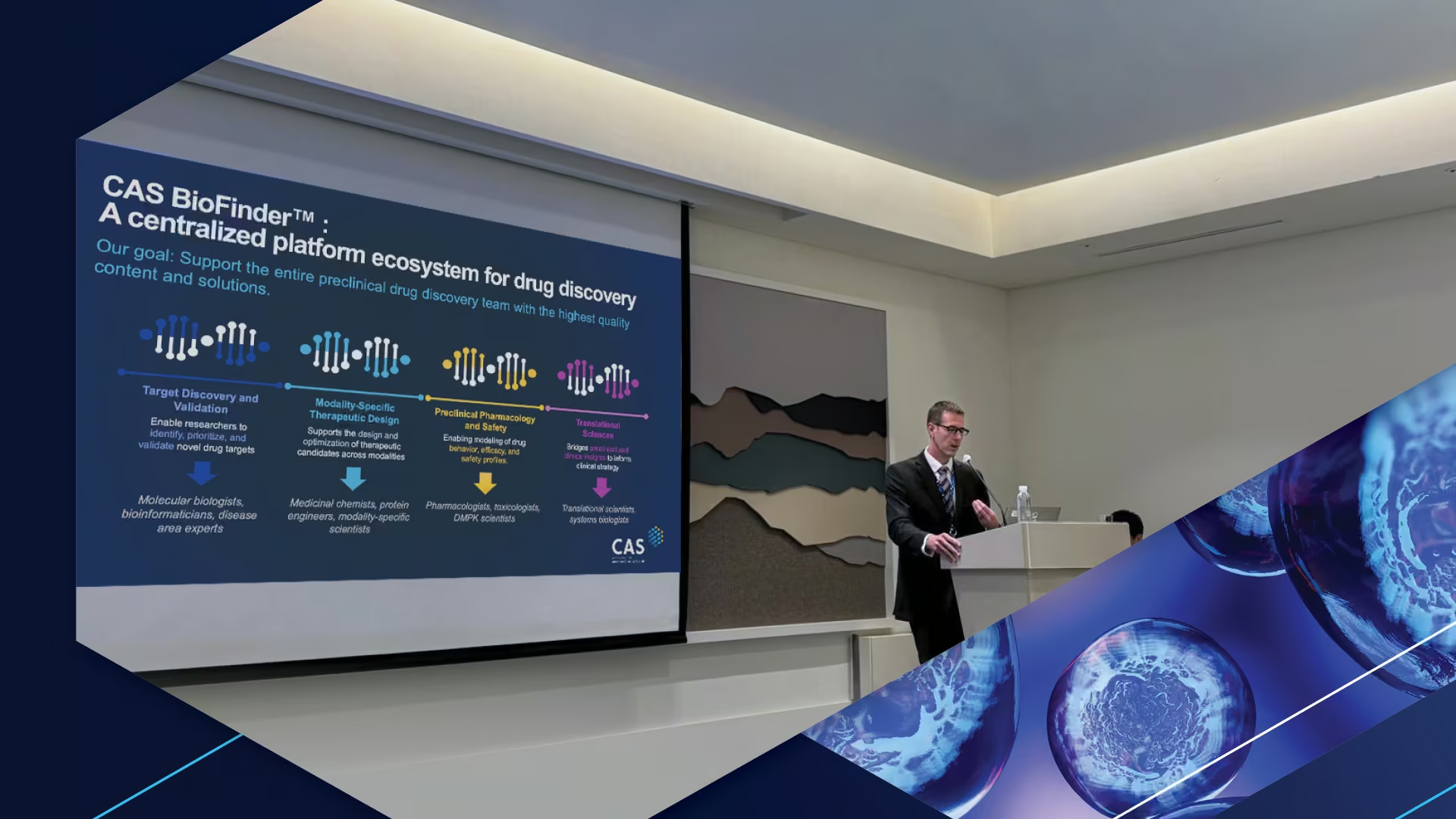
創薬におけるAI:可能性から実用化へ
CASは2025年に3つの地域でライフサイエンス・サミットを開催し、創薬におけるAIの実践的な統合について探求しました。データガバナンス、導入の障壁、モダリティ固有の課題について解説します。

CAS Insightsウェビナーで探る創薬の最新トレンド
マイクロバイオームのブレイクスルーからAIを活用したシミュレーションまで、CAS Insightsウェビナーの要約を通じて、医薬品研究を形作る最新の創薬トレンドを探ります。
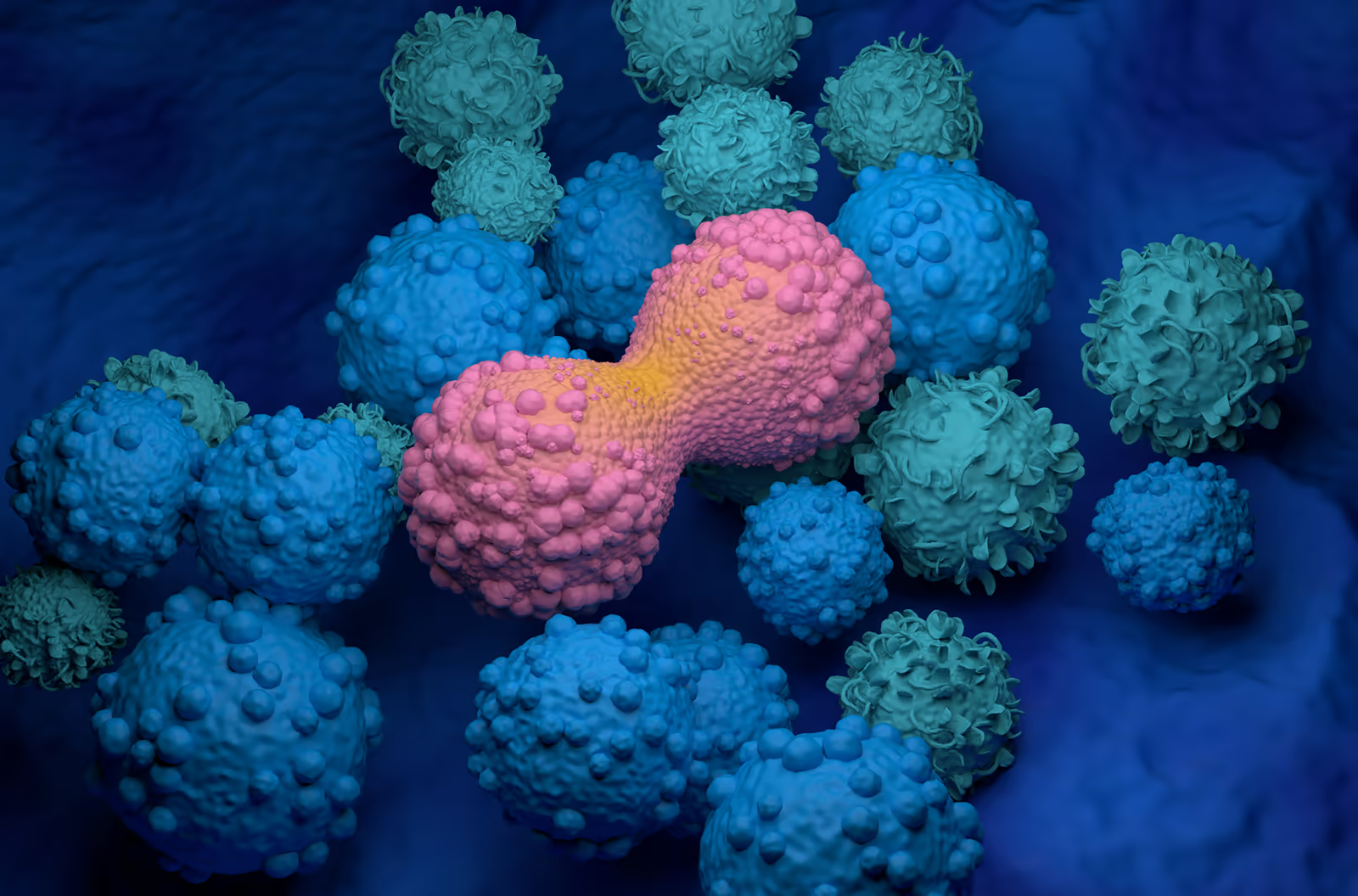
セラノスティクス:核医学が変えるプレシジョン・オンコロジー
核医学のセラノスティクス・アプローチは、診断と治療に同じ薬剤を用いることで「見て、治療する」がん治療を実現します。これらの精密治療が初期段階のケアへと移行する中、2024年の投資額は148億6000万ドルへと3倍に増加しました。
創薬における最新トレンド
がん治療の改善、神経変性疾患の特定、そして将来のパンデミックへの備えにもつながる、創薬の主要トレンド8選を紹介します。

水が有機溶媒の代替となり、化学反応をより環境に優しくする方法
多くの触媒や試薬は湿気に敏感であるため、水は溶媒としての候補から除外されることがよくありました。しかし現在では、有害な化学物質や揮発性有機化合物(VOC)を溶媒として使用することなく、水中または水面上で多くの有機変換反応を実現できることが明らかになっています。
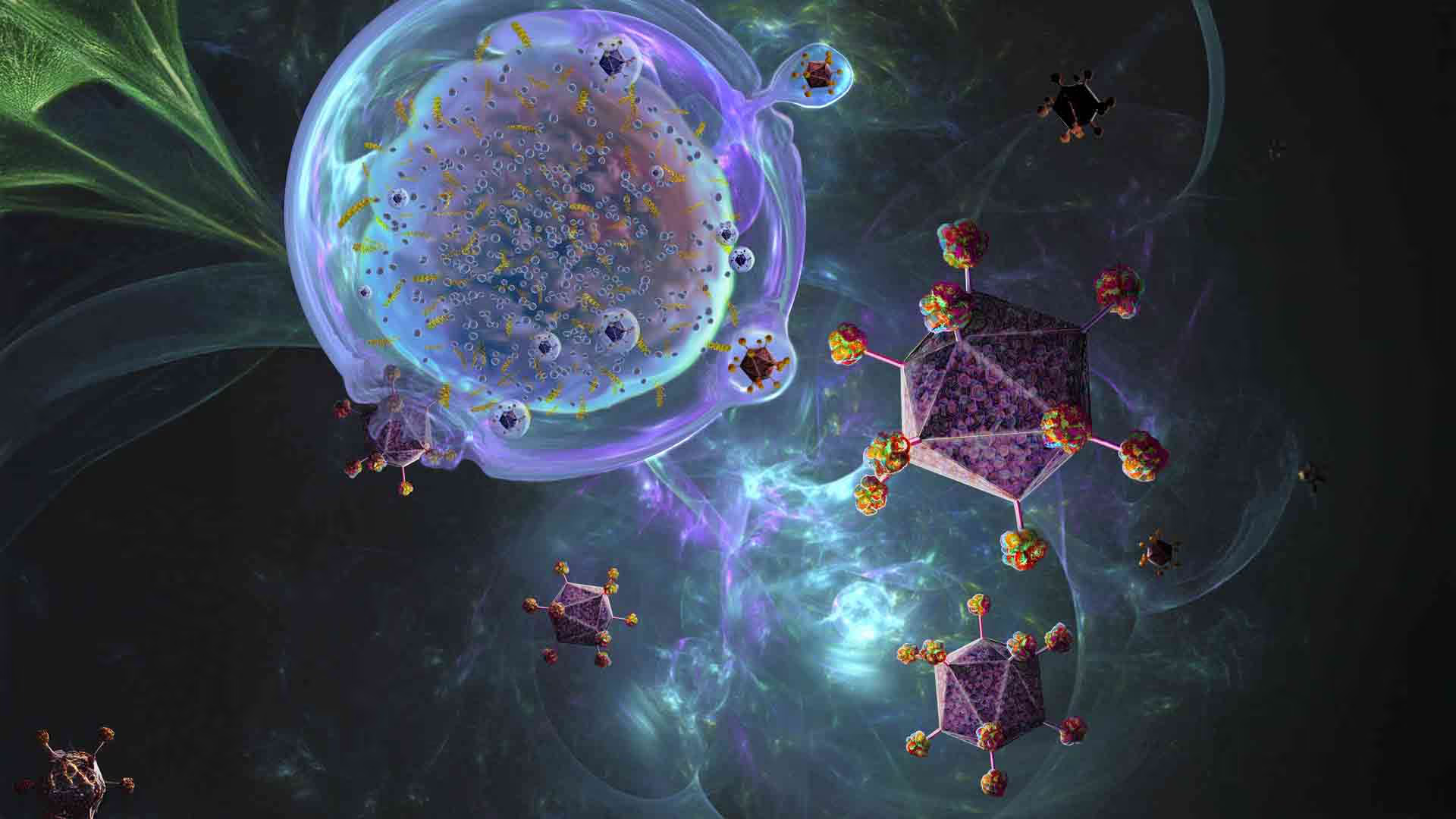
MAIT細胞はCAR-T免疫療法の未来を担う存在となるのでしょうか。
MAIT細胞は他の非従来型T細胞と比較して比較的新しい発見であり、研究者たちはこれらを「既製品(オフ・ザ・シェルフ)」の免疫療法として活用する研究を進めています。
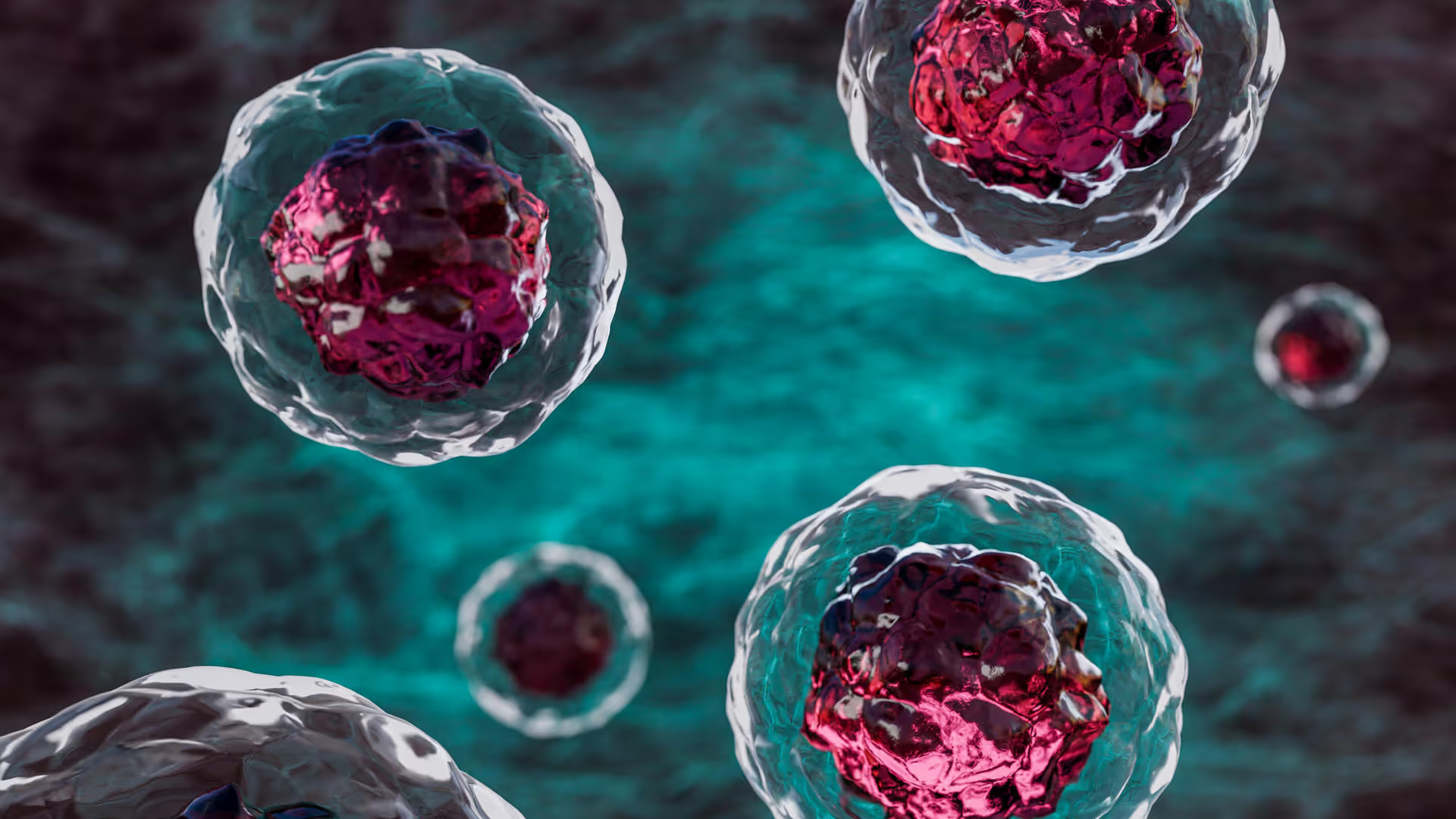
幹細胞治療で糖尿病は完治しますか?
従来の糖尿病治療は血糖値の管理に重点を置いており、合併症の軽減や治療を目的としたものではない。しかし、新たな幹細胞治療戦略は、より効果的で持続性の高い治療法をもたらす可能性がある。
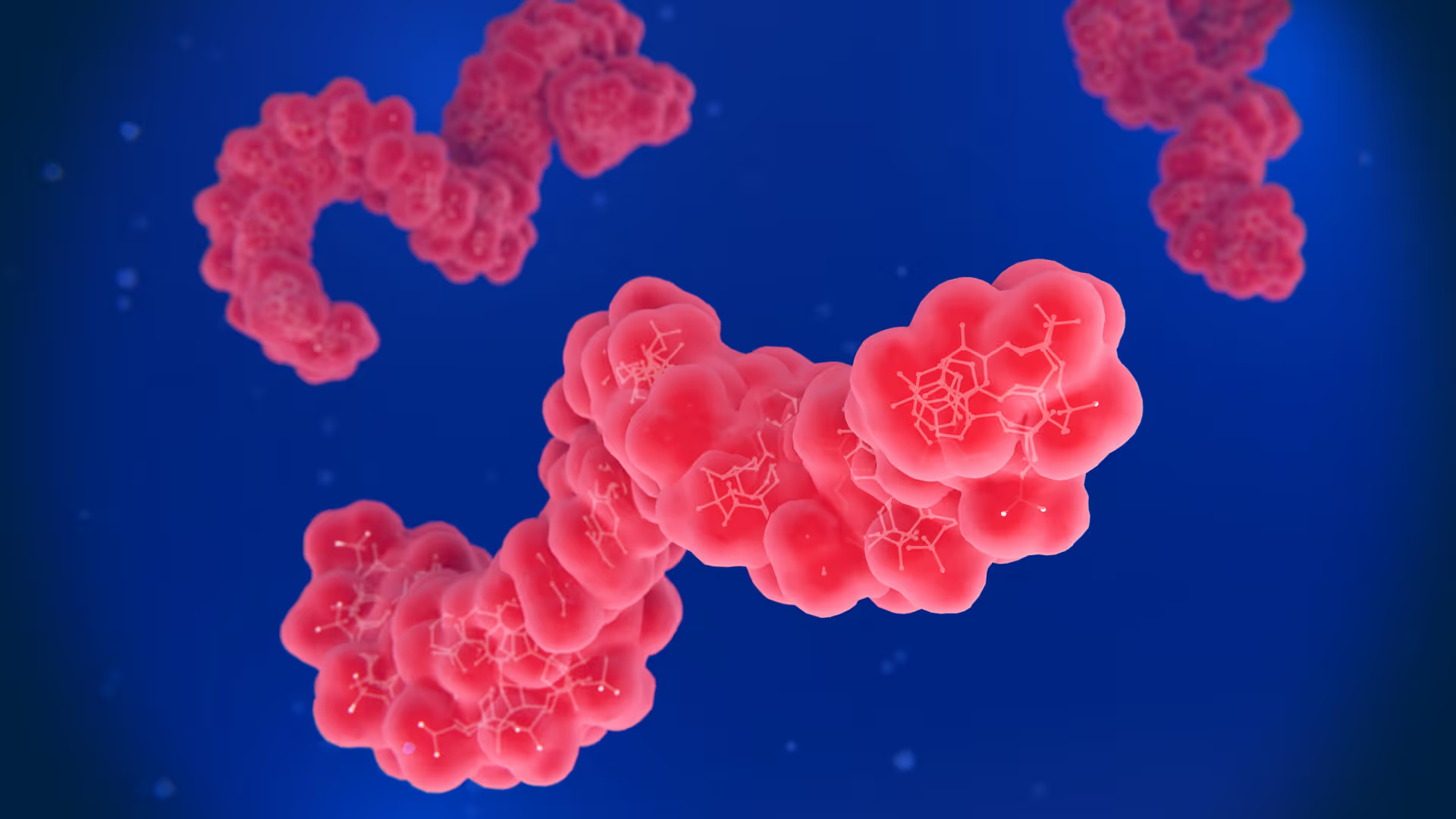
新たな送達方法によるマイクロRNA治療の推進
ナノスケールの薬物送達システムの進歩により、マイクロRNA治療における現在の課題が解決されつつあり、より広く活用される送達手法となる可能性があります。
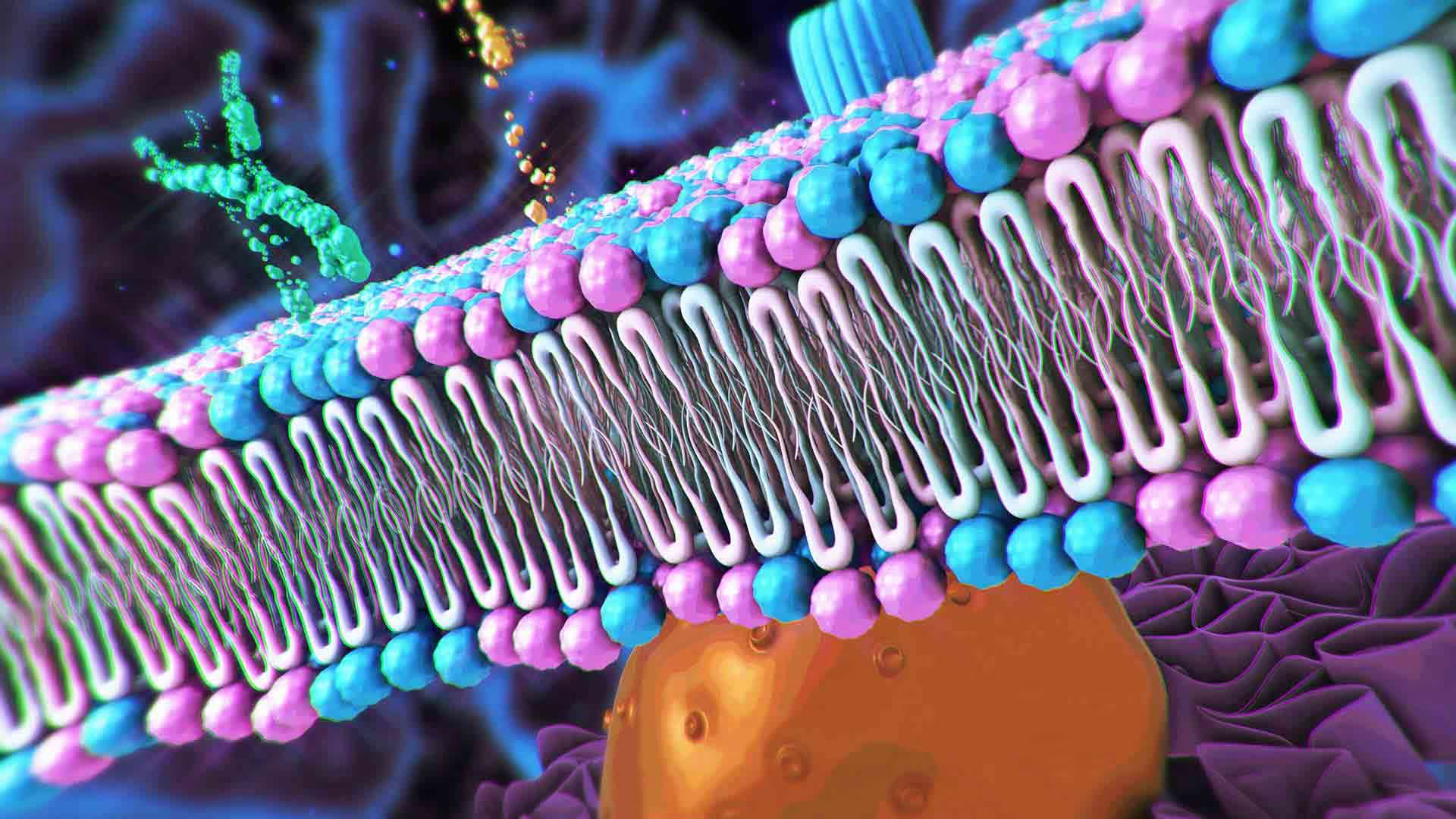
薬物送達における脂質:最新の研究と設計イノベーション
CASの最新レポート「Lipid-Based Drug Delivery Systems: Unlock the Future of Drug Delivery(脂質ベースのドラッグデリバリーシステム:ドラッグデリバリーの未来を切り拓く)」のプレビューをご覧ください。最も頻繁に引用されている脂質ベースのDDSの設計など、調査結果の概要を紹介します。
.avif)
COVID-19以降のmRNAワクチンの未来
COVID-19は、mRNAワクチンの大規模開発を加速させる触媒となりました。この技術が現在、どのようにして多様な難病への長期的な解決策として歩みを進めているのかを解説します。

インフォグラフィック:減量薬が食欲を抑制する仕組み
減量のためのGLP-1受容体作動薬およびGIPポリペプチド薬について解説したインフォグラフィックです。
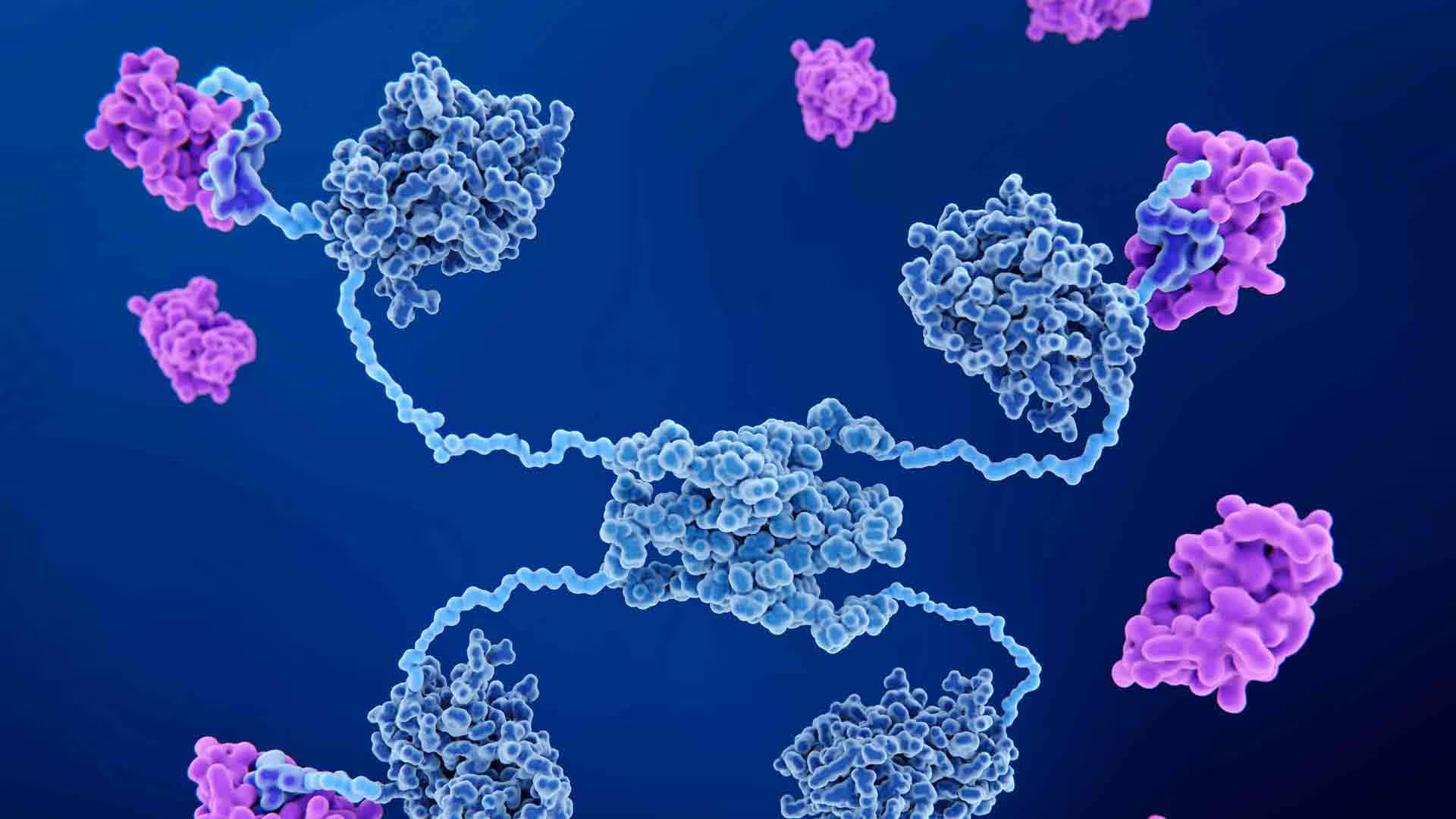
がん臨床試験で期待を集めるPPI阻害剤
低分子PPI阻害剤が、がん治療を大きく変えようとしている

PROTACは低分子医薬品に革命をもたらす
PROTACは、がんや神経変性疾患などの治療に向けた低分子医薬の開発を推進しています

予測モデルが創薬をどのように加速させるか
業界のリーダーたちとの対談を通じて、CASが高度なデータ管理と予測モデルを活用し、どのように創薬を革新しているのかをご紹介します。

CAR-T細胞療法は、がんや自己免疫疾患などの治療において画期的な進歩をもたらしています。
CAR-T細胞療法は主にがん治療に用いられてきたが、自己免疫疾患やHIVなどの治療においても有望な結果が示されている

減量や糖尿病以外の効果をもたらす可能性のあるGLP-1機能の探求
GIPおよびGLP-1の機能が、心血管疾患や神経変性疾患の治療において有望な結果を示している。

ナノサイズのドラッグデリバリーシステムは、がんやHIVなどの治療を可能にします。
がん、自己免疫疾患、HIVなどの治療を改善するナノスケールのドラッグデリバリーシステム

併用療法は希少疾患や難病の治療に有効か?
ドラッグリポジショニング、細胞療法、遺伝子療法を含む併用療法が、いかに希少疾患の治療改善につながっているか。

データファーストのアプローチ:創薬チームはデータを優先することで効率を最大化できるか?
フロスト&サリバンのシニアコンサルタントであるゾヘブ・ハッサン博士が、現在の創薬環境を定義づけるデータ管理の複雑さについて洞察を語ります。

アルツハイマー病の終焉へ:バイオマーカー、遺伝子治療などの最新トレンド
バイオマーカー、個別化医療、遺伝子治療が研究のブレイクスルーを加速させています。この深刻な疾患を管理するため、遺伝学やタンパク質の蓄積を標的とした新たな治療法を探求します。

アンチセンス核酸の種類:治療の最前線を切り拓く
エクソソームやナノ粒子など、遺伝子医療に新たな希望をもたらす多様なアンチセンスオリゴヌクレオチド療法。

ハンチントン病は治せるのか?PolyQ疾患および希少疾患における研究動向
ハンチントン病などのポリグルタミン病に対する根本的な治療法は現在存在しませんが、新たなブレイクスルーや治療法、研究の進展が状況を変える可能性があります。

R&Dインサイト:免疫腫瘍学への独自の視点
免疫療法は、CAR-T細胞療法、抗体薬物複合体(ADC)、チェックポイント阻害薬といった新たなアプローチにより進化を遂げています。

免疫療法とがんにおける新たなトレンド
がん免疫療法は、患者のQOLを犠牲にすることなくがんを治療できる可能性を秘めています。

研究開発の知見:共有結合阻害薬の革命
かつて共有結合阻害薬は副作用への懸念から敬遠されてきましたが、新薬の登場により状況は一変しました。

研究開発の知見:抗体薬物複合体(ADC)
現在、100種類以上の抗体薬物複合体が臨床試験段階にあります。これらの治療薬は、抗体の標的指向性と化学療法の殺傷能力を組み合わせることで、がん治療のあり方を変えようとしています。

抗体薬物複合体の可能性を解き明かす
2018年以降、がん治療における抗体薬物複合体(ADC)の潜在的な有用性が注目され、研究への関心が飛躍的に高まっています。

創薬におけるシーケンス解析の課題と展望
NullSet Informatics Solutionsのジェファーソン・パーカー氏に、創薬のためのシーケンス解析と、計算生物学におけるAIの最前線についてお話を伺いました。

標的タンパク質分解と誘導近接:創薬における分子接着剤の展望
誘導近接による標的タンパク質分解(TPD)は、近年創薬の分野で登場した画期的な戦略です。

構造活性相関(SAR)研究における課題と機会
Via Nova Therapeutics社で化学部門シニアディレクターを務めるベン・タフト氏に、SAR研究の現状と、生物活性データの新たな可能性についてお話を伺いました。

エクソソーム研究:血小板ダストから先駆的な治療法へ
エクソソーム研究という新たな分野における、新興の貢献者、企業、研究者の全体像。本記事では、エクソソーム研究の診断および治療分野における主要プレイヤーを概観し、現在の臨床パイプラインを詳しく掘り下げます。

ACE2:疾患病態における重要な受容体を標的とする
ACE2タンパク質は、COVID-19やその他のウイルス感染症における重要な標的であり、この知見は新たな治療法の開発につながっています。

エクソソーム:治療と診断における新たな巨人
エクソソームは薬物送達や診断に革命をもたらす可能性がありますが、分離や精製には課題も残されています。本記事では、エクソソーム研究の最新トレンドを、薬物送達、診断、治療への応用という観点から解説します。これらのユニークな粒子が未来をどのように形作っているのかをご覧ください。

FDAによる画期的新薬指定の迅速化
FDAは、臨床的に重要な評価項目において既存の治療法を大幅に上回る改善を示す特定の医薬品候補に対し、「画期的新薬(Breakthrough Therapy Designation: BTD)」の指定を行うことができます。

バイオオーソゴナル化学とその応用
バイオオーソゴナル化学とは、生体内に本来存在しない官能基の化学反応を利用して、生体内の生物学的プロセスを解析する手法の総称です。

COVID-19以降におけるナノテクノロジーの治療的潜在力
脂質ナノ粒子を探る:その起源からCOVIDワクチン、そしてその先へ。出版物の新たなトレンドやマイルストーンを発見しましょう。ワクチン、ドラッグデリバリー、そして農薬化学、化粧品、食品科学といった非治療分野における将来の応用について明らかにします。これらの粒子がどのように形成されているかを学びましょう。

サイトカインストームと免疫および感染におけるその重要な役割
サイトカインストームと、免疫およびCOVID-19を含む重症感染症におけるその役割について解説します。出版物、マイルストーン、サイトカインによる悪影響を最小限に抑えるための将来的な応用など、新たなトレンドと知見を概観します。

分子接着剤と標的タンパク質分解に関するACSウェビナー
パネリストには、ダナ・ファーバー癌研究所の内科腫瘍学部門長であるベンジャミン・エバート博士、Neomorph社の共同創設者兼社長兼CEOであるフィル・チェンバレン博士、そしてCASでライフサイエンスを専門とする情報科学者のジャネット・サッソ氏をお迎えしました。

mRNA COVID-19ワクチンがCOVID-19と戦う仕組み
mRNA(メッセンジャーRNA)ワクチンが患者に投与されると、微小な脂質小胞がmRNA分子を体液中に運び、抗原提示細胞(APC)と呼ばれる免疫細胞と融合します。

画期的新薬指定:構造的新規性がもたらす実社会へのインパクト
CASの高度な機械学習手法を活用して、企業が予測精度を向上させ、画期的な技術ステータス(Breakthrough Technology Status)を獲得し、新薬の開発および審査期間を短縮する方法をご紹介します。

AI創薬:臨床試験に進んだ初のAI設計候補薬の評価
本ブログでは、新薬の革新性をより適切に評価できる可能性がある、新規分子実体(NME)の構造的新規性に基づいたCASの新しい創薬イノベーション指標について詳しく解説します。

COVID-19治療に向けたACE2の標的化
科学者たちはCOVID-19の感染拡大を阻止する方法を模索しており、ACE2受容体はその中でも最も有望な標的の一つです。

バイオオーソゴナル化学:科学および医学における多様な応用に関するレビュー
バイオオーソゴナル化学とは、生体内に本来存在しない官能基の化学反応を利用して、生物の生命現象を探索・解明するための一連の手法です。

発見を加速させる:新型コロナウイルスワクチン開発の飛躍的進歩と将来への影響
本インサイトレポートでは、COVID-19ワクチン開発において重要な役割を果たした革新的な研究と技術について解説します。

発見を加速させる:COVID-19ワクチン開発のブレイクスルーと将来への影響
本インサイトレポートでは、COVID-19ワクチン開発において重要な役割を果たした革新的な研究と技術について解説します。

がんにおける創薬困難なRASタンパク質への挑戦
全がんの5件に1件はRAS変異が関与していると推定されています。かつては創薬困難と考えられていたRASですが、本ブログではRAS阻害剤および新たな治療法の最近の進歩に焦点を当てます。

新型コロナウイルスのBA.5やBA.2.75といった変異株が流行する中、マスクの着用は再び必要なのでしょうか。
新型コロナウイルスのパンデミックは、マスクの開発と生産における課題を浮き彫りにしました。ウイルスの新たな変異株の蔓延を抑えるには、イノベーションが不可欠です。

オミクロン株BA.5がワクチンを回避する理由
世界中でCOVID-19の症例が再び増加する中、オミクロン株の亜系統であるBA.5が現在、優勢な株となっています。本ブログでは、感染力を高め、防御抗体を回避し、再感染率を上昇させる主要な変異について解説します。

分子接着剤が標的タンパク質分解を臨床へつなぐ仕組み
標的タンパク質分解は、新規かつ急速に拡大している創薬戦略です。これは、疾患の原因となるタンパク質を利用して重篤な疾患を攻撃する新しい手法であり、がんや神経変性疾患といった深刻な疾患への応用が期待されています。

化学分野におけるAI:トレンドと成長の機会
人工知能(AI)と機械学習は過去10年間で飛躍的な成長を遂げてきましたが、化学の分野はこの新たなトレンドとともにどのように進化してきたのでしょうか。

RNA医薬:研究の動向と発展
RNAを用いた治療法は、医療に革命をもたらす可能性を秘めています。本ホワイトペーパーでは、業界における最新のトレンドを解説します。

脂質ナノ粒子:過去、現在、そして将来の展望
脂質ナノ粒子はCOVID-19治療用mRNAワクチンにおいて重要な役割を果たしていますが、その歴史は新しいものではありません。過去、現在、そして将来の展望について解説します。

RNA医薬の進歩と展望:標的治療の新たな武器
過去10年間で、RNAベースの医薬への劇的な転換が進みました。COVID-19 mRNAワクチンに向けた脂質-RNAナノ粒子の急速な開発成功と、いくつかの承認薬の登場により、RNAは医薬品研究開発の最前線へと躍り出ました。この革新的なトレンドをご覧ください。

ナレッジグラフがCOVID-19治療薬の開発を加速
本ホワイトペーパーでは、CASバイオメディカル・ナレッジグラフの詳細と、それがCOVID-19の創薬にどのように活用されたかを解説します。

内在性無秩序タンパク質はCOVID-19治療の鍵となるか?
天然変性タンパク質の重要な機能と、COVID-19治療におけるその重要な役割について解説します。

5歳未満の小児向けCOVIDワクチン成分
本ブログでは、現在米国で使用されている新型コロナウイルス(COVID-19)ワクチンに含まれる一般的な成分(家庭内および科学的な文脈の両方)と独自の成分について解説し、5歳未満の子供向けに提案されている投与量についても触れます。

オミクロン株の出現により、より多様なCOVID-19ワクチン戦略の必要性が加速
オミクロン株は、当初のCOVID-19ウイルスから大きく進化しており、再感染やワクチン回避への懸念が高まっています。この変異株は既存の免疫をすり抜ける可能性があり、世界的なパンデミック収束への取り組みを脅かす恐れがあります。この新たな課題が社会や経済に与える潜在的な影響について考察します。

COVID-19治療薬の転用におけるナレッジグラフ活用アプローチ
COVID-19のパンデミックを受け、世界中の研究者がこの疾患に対する効果的な薬剤や治療法の発見に取り組んでいます。

化学分野におけるAI:現在のトレンドと将来の展望
近年、化学分野へのAI導入が急速に進んでいます。この分野でのAI活用については多くのメディアで取り上げられてきましたが、その利用状況や開発に関する詳細な分析は十分とは言えません。

脂質ナノ粒子の研究動向と進歩
脂質ナノ粒子(LNP)は、製薬業界において多様な治療薬を届けるための有望な媒体として注目されています。LNPの初期段階にあたるリポソーム製剤は、すでに承認され医療現場で活用されています。

COVID-19ワクチン開発に向けた世界的な取り組みのレビュー
本レポートでは、COVID-19ワクチンの研究を概観し、基盤技術やアジュバント、デリバリーシステムの活用状況を比較するとともに、今後の展望について考察します。

科学技術研究開発における収益性の高いデジタルトランスフォーメーション
人工知能が注目を集めていますが、賢明な投資家はデータに投資しています。CASのソリューションがどのように役立つかをご覧ください。

計算科学的アプローチによるCOVID-19治療薬候補の探索
機械学習の手法や、科学的知見、オープンアクセスデータセット、特別レポートなど、COVID-19との闘いを支援するCASのCOVID-19関連リソースについて解説します。
.avif)
COVID-19の潜在的な治療薬を特定するためのQSAR機械学習モデルとその応用
CASの科学者たちは、SARS-CoV-2に対する潜在的な治療薬を特定するため、ウイルスの標的である3C様プロテアーゼ(3CLpro)およびRNA依存性RNAポリメラーゼ(RdRp)に対する新規の薬物候補を特定する機械学習予測モデルを構築しています。

COVID-19の最重要標的を狙い撃つ
COVID-19の新たな治療薬を特定するための継続的な研究を支援するため、CASの科学者チームは公開されている科学情報を分析し、COVID-19に関与するタンパク質およびそれに対応する潜在的な薬剤候補に焦点を当てた包括的なレポートを作成しました。

COVID-19および関連するヒトコロナウイルス感染症の潜在的な治療薬と関連バイオアッセイデータ
本レポートは、タンパク質標的と潜在的な薬物候補を要約することで、COVID-19治療薬の研究を支援します。COVID-19および関連するウイルス感染症に関する科学文献や特許文献から、バイオアッセイおよび構造活性相関データを収録しています。進行中の創薬開発を支援するための重要な知見をご覧ください。

内なる敵:SARS-CoV-2はいかにしてヒトのタンパク質を利用し細胞に感染するのか
COVID-19治療薬開発の競争において、ウイルスがどのように細胞へ侵入するかを明確に理解することは不可欠なステップです。この知見は、その経路を遮断することに焦点を当てた標的型抗ウイルス薬の開発を後押しします。

COVID-19診断のためのアッセイ技術と検査開発
COVID-19との闘いにおいて利用可能な診断検査の理解と比較を深めるため、CASはSARS-CoV-2の診断検査に使用される分子および血清学的アッセイの基本原理をまとめたレポートを作成しました。

COVID-19および関連するヒトコロナウイルス感染症の治療薬とワクチンに関する研究開発
COVID-19の研究開発を支援するため、CASはCASコンテンツコレクション内の特許に重点を置いた、公開されている科学情報の概要をまとめた特別レポートを作成しました。
該当する結果が見つかりませんでした。
該当する結果が見つかりませんでした。検索条件を変更してください。