
Precision oncology continues to evolve rapidly as new technologies reshape how researchers understand, diagnose, and treat cancer. The following topics address specific areas of interest within personalized cancer care, and this page serves as a central hub that guides users into deeper resources and insights. The pace of innovation in cancer research is impressive. Look no further than the rise of precision oncology and immunotherapy to see how quickly the field is advancing.
One key to these breakthroughs? High-quality data about biomarkers and gene expression at the cellular level. These findings can inspire even more data-driven research as discoveries build upon each other. With a comprehensive view of the research landscape and interconnected data sources, it's possible to see which concepts are growing quickly, where disciplines are interacting, and what the next breakthroughs are likely to be. At CAS, we have our finger on the pulse of these data-driven insights.
Theranostics: Cancer diagnosis meets targeted therapy
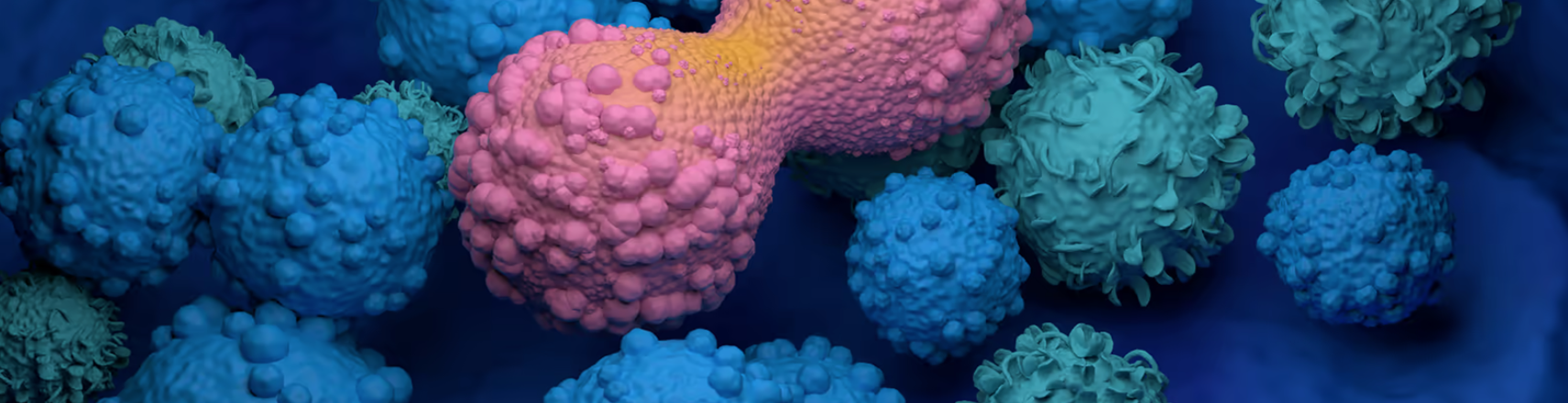
Radiopharmaceuticals used for PET or SPECT imaging can identify cancer cells and deliver targeted radiation therapy at the same time. This "see it and treat it" approach reduces off-target effects and improves patient outcomes: the exact goals of precision oncology.
Read more: Theranostics: How nuclear medicine is changing precision oncology.
Biomarkers: Driving earlier detection and more effective treatments

Biomarkers are the proteins, nucleic acids, and other small organic molecules that signal the presence of cancer. The recent 30% increase in biomarker-related publications shows how these discoveries are changing strategies for early detection and precision therapies.
Get the report: Biomarkers: The key to earlier cancer detection and patient outcomes.
Spatial transcriptomics: Mapping the tumor microenvironment
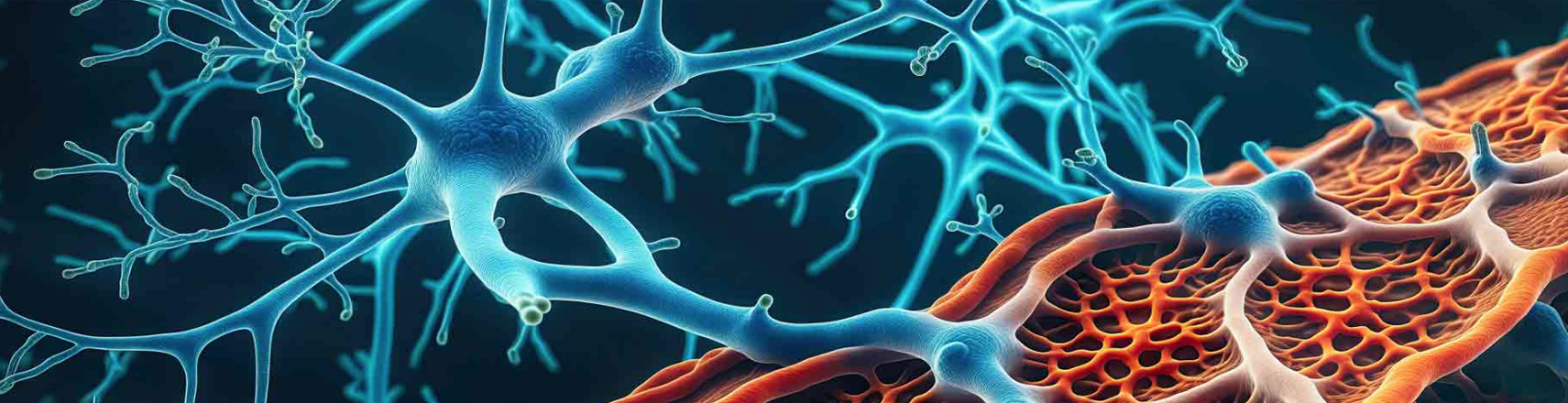
A major challenge in oncology is understanding tumor heterogeneity and the surrounding microenvironment. Spatial transcriptomics reveals gene expression within tissues, giving researchers more clues into disease progression for breast cancer, glioblastoma, oral squamous cell carcinoma, and more.
Read more: Spatial transcriptomics could unlock new treatments for Alzheimer's, cancer, and more.
Big data and AI: Accelerating immuno-oncology decisions

The vast amount of cancer research calls for clinical informatics and advanced analytical tools. For example, in a CAS analysis, researchers used natural language processing (NLP) to identify over 300 emerging concepts across eight oncology-specific categories.
Watch the webinar: Big data insights in the quest to cure cancer.
What's next in precision oncology
Major challenges and opportunities exist across the entire cancer research and treatment landscape. Part of how we'll get there is through data-driven insights based on a comprehensive view of the available research. Faster cures and treatments, informed investments, and better outcomes for patients are the future of personalized cancer care.
Organizations facing data harmonization challenges, whether digitizing legacy records, normalizing compound libraries, or preparing datasets for AI modeling, can discuss custom data solutions designed around specific scientific domains and existing infrastructure. Research groups implementing AI strategies that are uncertain about data quality and governance can consult with CAS specialists who combine scientific expertise with data infrastructure experience to assess readiness and identify gaps in existing systems.
Accelerating precision oncology from the lab to the clinic requires tools that can process vast amounts of data and guide researchers to the most impactful findings. That's only possible with comprehensive data sets, expert data governance, and advanced technologies. With CAS as your partner, your organization can access the largest curated repository of scientific information along with advanced analytical capabilities.
More resources
See how custom API solutions accelerate drug discovery.
Read a case study on safeguarding affordable, quality medicines.
Turn untapped pharma data into R&D.
What are the five barriers to safer small molecule drug development?