
Executive Summary
- New technologies are improving clean energy generation through advancements in perovskite solar cells, green hydrogen, and sustainable biomass feedstocks.
- Storage breakthroughs in solid-state batteries, thermal storage, and supercapacitors are making renewable power more viable.
- Recycling and recovery improvements are helping close the loop on batteries, solar panels, and critical materials like lithium.
- Chemistry and materials science, aided by AI, are moving more technologies from a lab to commercial scale.
The energy transition often looks like solar farms and battery packs, but underneath the hardware sits science problems: how to generate power more cleanly, store it more efficiently, and reclaim valuable materials when equipment reaches the end of its life. These advances lie at the intersection of chemistry, materials science, and AI-driven research, and they are moving out of the lab and toward a commercial scale. The strategic question for investors and R&D teams is this: which technologies are ready to make the leap from the lab to the grid?
A comprehensive view of the energy research landscape through the CAS Content Collection™, the largest human-curated repository of scientific information, provides unique insights on the research and patent trends shaping clean energy. This perspective is critical to understanding how technologies move from proof-of-concept studies to grid-scale deployment and where the next breakthroughs are happening.
Generation: Cleaner ways to make power
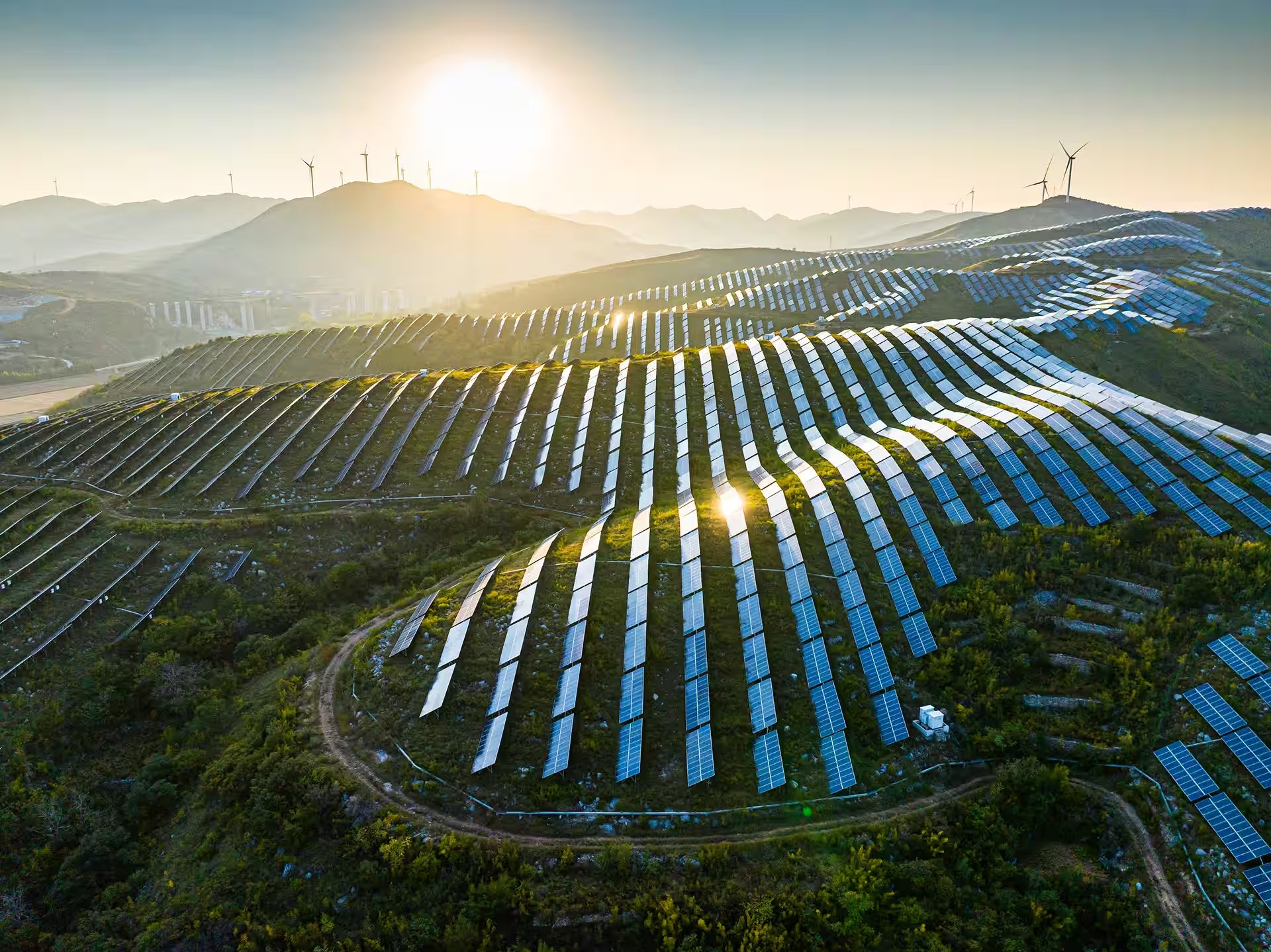
Cleaner generation starts with better materials for capturing and converting energy. Perovskite solar panels are cheaper and more efficient than many conventional photovoltaics, though advances in materials and fabrication are still needed to make them commercially viable at scale. Hydrogen offers a complementary path as a clean fuel and energy carrier, and the green hydrogen economy is drawing significant research and investment, supported by a growing body of materials research and a rapidly expanding market. Production methods can also matter as much as the fuel itself, and photocatalysis is emerging as a cleaner route to hydrogen. Renewable feedstocks round out the picture: although biomass currently supplies only a fraction of energy sources, improved feedstocks and conversion processes could make biomass-based fuels common replacements for fossil fuel-based materials.
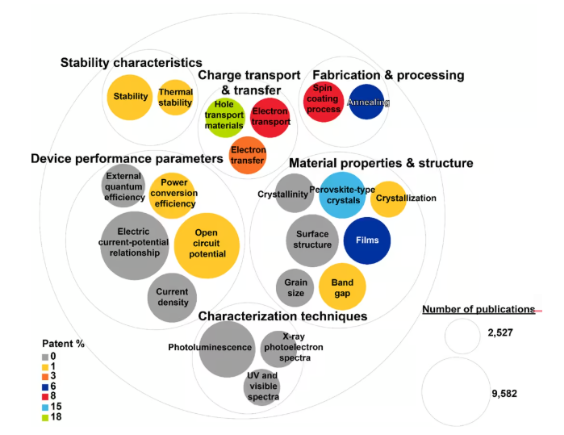
Read more: Perovskite solar panels reveal new research hot spots
Exploring clean energy research of your own?
CAS Newton℠ brings AI-enabled search across the scientific landscape, helping researchers identify patterns and connections in their specific areas of focus.
Storage: Holding energy until it is needed
Because renewable generation is intermittent, storage is what makes clean power usable on demand. Solid-state batteries take lithium-ion technology further with greater energy density, longer lifespan, and improved safety. Beyond electrochemistry, thermal energy storage uses specialized materials to absorb, hold, and release heat and cold, helping renewable energy run more efficiently. For applications that require rapid charge and discharge, supercapacitors built on graphene are beginning to show where a material's surface area and conductivity can translate into device performance. Together, batteries and hydrogen fuel cells point toward the possibility of more flexible, lower-carbon energy systems.
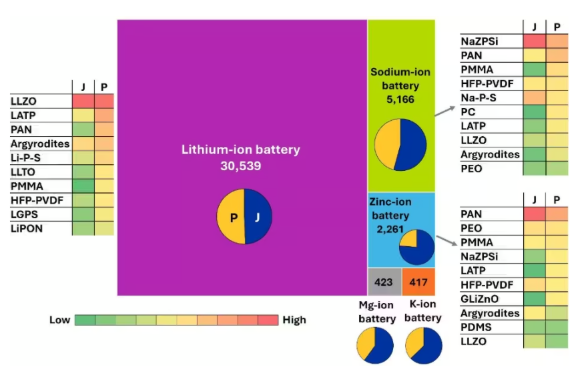
Read more: Solid-state batteries are promising alternatives to conventional lithium batteries
The circular energy economy: Recycling and recovery
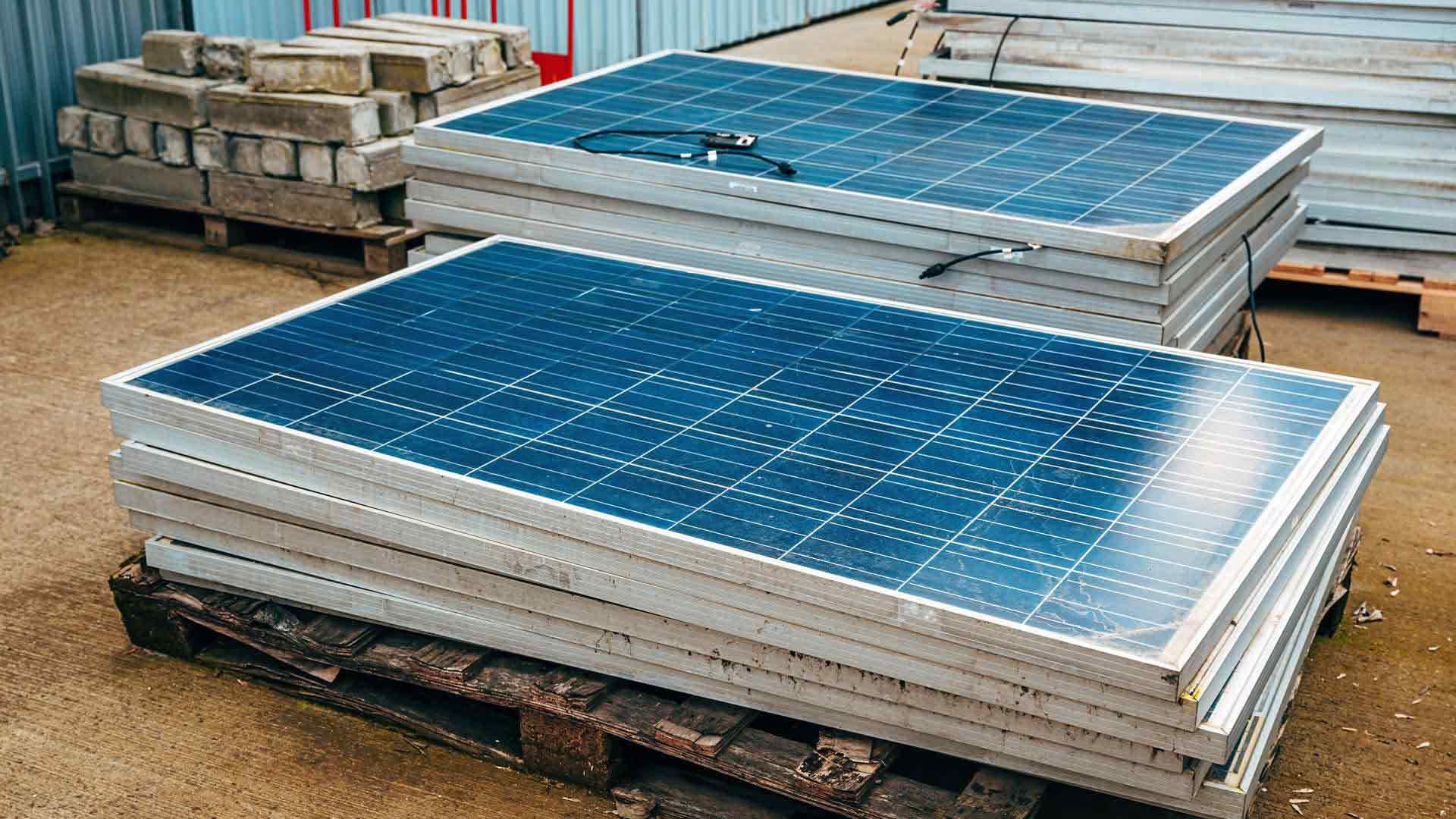
Clean energy does not end when hardware reaches the end of its service life. Recovering the materials used to make batteries, solar panels, and other equipment can keep critical inputs in circulation while reducing the need for new extraction. Lithium-ion battery recycling has seen rapid innovation in the past few years, with new technologies making the field more sustainable. Our detailed market and scientific analysis offers a deeper view of this industry. The same thinking applies upstream and across technologies: solar panel recycling is improving recovery from photovoltaic waste, while researchers are also developing methods to extract lithium from seawater, where an estimated 200 billion metric tons of the element exists in dissolved form at very low concentrations.
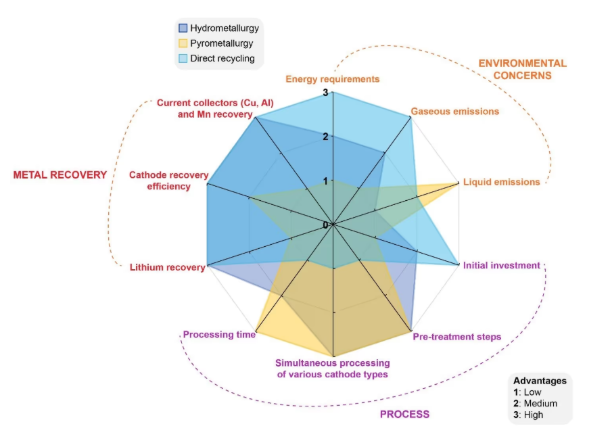
Read more: Innovations in lithium-ion battery recycling
The future of clean energy
Clean energy will be a crucial part of any sustainable future. As breakthroughs push further into the realm of what’s possible, and as new technologies multiply, we’ll see more connections between chemistry and materials science and between ways to generate, store, and distribute power. No longer confined to specific technologies such as solar and wind power, this is a topic that reaches across many potential research areas.
The topics above were analyzed using the CAS Content Collection, CAS SciFinder®, and CAS IP Finder, powered by STN™, which aggregate scientific data from global sources. Access to this data and analytical capability provides an important advantage, giving the team at CAS unique insight into data governance and knowledge management strategies. CAS will keep updating this space with the key developments in clean energy from across the research landscape.
Stay ahead of the science
Get the latest CAS Insights analysis on clean energy and other emerging fields delivered as it publishes.