
エグゼクティブサマリー
- ペロブスカイト太陽電池、グリーン水素、持続可能なバイオマス原料の進歩により、クリーンエネルギー発電技術は向上しています。
- 全固体電池、熱貯蔵、スーパーキャパシタにおける技術的ブレークスルーが、再生可能エネルギーの実用性を高めています。
- リサイクルおよび回収技術の改善により、電池、太陽光パネル、リチウムなどの重要資源の循環利用が進んでいます。
- AI を活用した化学と材料科学の研究により、より多くの技術が研究室から商業規模へと移行しています。
エネルギー転換というとソーラーファームやバッテリーパックが注目されがちですが、その根底には「いかにクリーンに発電し、効率よく貯蔵し、寿命を迎えた機器から貴重な材料を回収するか」という科学的課題が存在します。これらの進歩は、化学、材料科学、そしてAI主導の研究が交差する領域にあり、研究室から商業規模へと移行しつつあります。投資家や研究開発チームにとっての戦略的な問いは、「どの技術が研究室から実用段階へと飛躍する準備ができているのか」という点にあります。
世界最大の科学情報リポジトリであるCAS Content Collection™を通じてエネルギー研究の全体像を俯瞰することで、クリーンエネルギーを形作る研究や特許のトレンドについて独自の洞察が得られます。この視点は、技術が概念実証からグリッド規模の導入へとどのように移行し、次にどのようなブレークスルーが起こるのかを理解する上で極めて重要です。
発電:よりクリーンな発電方法
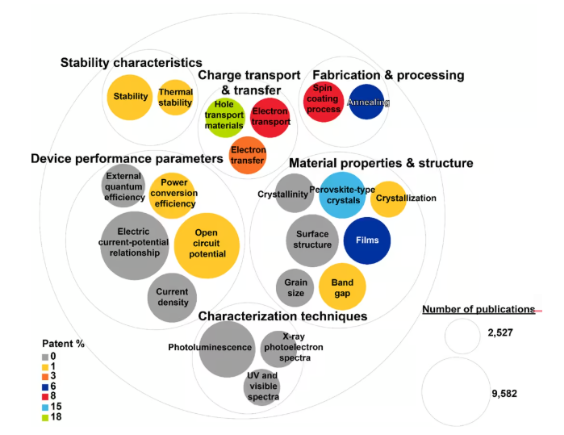
よりクリーンな発電は、エネルギーの捕捉と変換に適した優れた材料から始まります。ペロブスカイト太陽電池は、従来の多くの太陽電池よりも安価で効率的ですが、大規模な商業利用を実現するには、材料や製造プロセスにおけるさらなる進歩が必要です。水素はクリーンな燃料およびエネルギーキャリアとして補完的な役割を果たしており、グリーン水素経済は、材料研究の蓄積と急速に拡大する市場に支えられ、多大な研究と投資を集めています。生産方法も燃料そのものと同様に重要であり、光触媒が水素へのよりクリーンな経路として浮上しています。再生可能な原料も重要な要素です。現在、バイオマスがエネルギー源に占める割合はわずかですが、原料や変換プロセスの改善により、バイオマス由来の燃料が化石燃料由来の材料に代わる一般的な選択肢となる可能性があります。
クリーンエネルギーに関する独自の研究をお探しですか?
CAS Newton℠は、AIを活用した科学分野の横断検索を提供し、研究者が特定の専門領域におけるパターンや関連性を特定できるよう支援します。
貯蔵:必要な時までエネルギーを保持する
再生可能エネルギーによる発電は間欠的であるため、必要な時にクリーンな電力を利用するには貯蔵技術が不可欠です。全固体電池は、リチウムイオン技術をさらに進化させ、より高いエネルギー密度、長寿命、そして安全性の向上を実現します。電気化学の枠を超えて、熱エネルギー貯蔵は特殊な材料を用いて熱や冷熱を吸収・保持・放出することで、再生可能エネルギーの効率的な運用を助けます。急速な充放電を必要とする用途では、グラフェンを用いたスーパーキャパシタが、材料の表面積と導電性がデバイスの性能にどう直結するかを示し始めています。これらを組み合わせることで、電池と水素燃料電池は、より柔軟で低炭素なエネルギーシステムの可能性を切り拓いています。
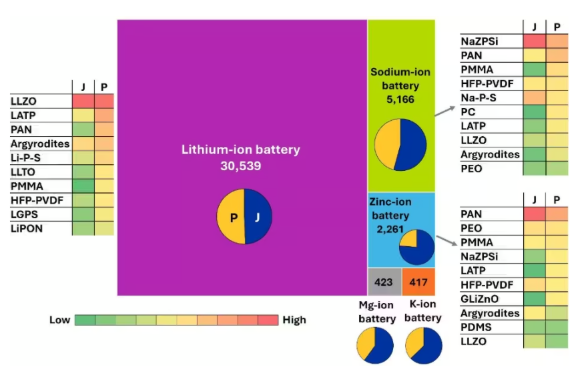
詳細はこちら:従来のリチウム電池に代わる有望な選択肢としての全固体電池
循環型エネルギー経済:リサイクルと回収
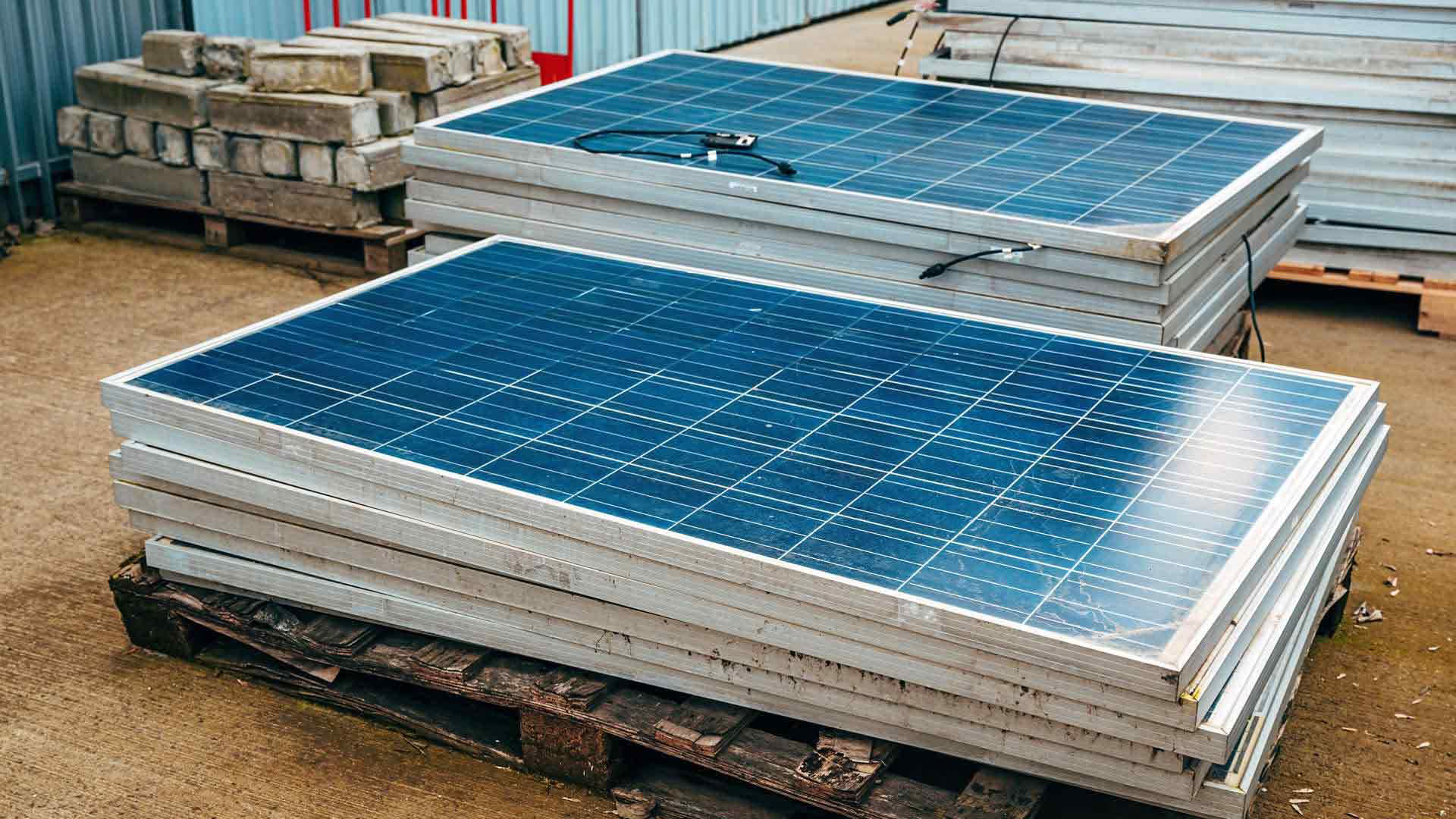
クリーンエネルギーの役割は、ハードウェアの耐用年数が過ぎた後も終わりません。バッテリーやソーラーパネルなどの製造に使用された素材を回収することで、重要な資源を循環させ、新規採掘の必要性を低減できます。リチウムイオン電池のリサイクルはここ数年で急速な技術革新を遂げており、新たな技術によってこの分野の持続可能性が高まっています。当社の詳細な市場および科学的分析では、この業界をより深く掘り下げています。同様の考え方は、上流工程や他の技術にも適用されます。例えば、ソーラーパネルのリサイクルは太陽光発電廃棄物からの回収率を向上させており、研究者たちは海水からリチウムを抽出する手法も開発しています。海水には、推定2000億トンものリチウムが非常に低濃度で溶解していると考えられています。
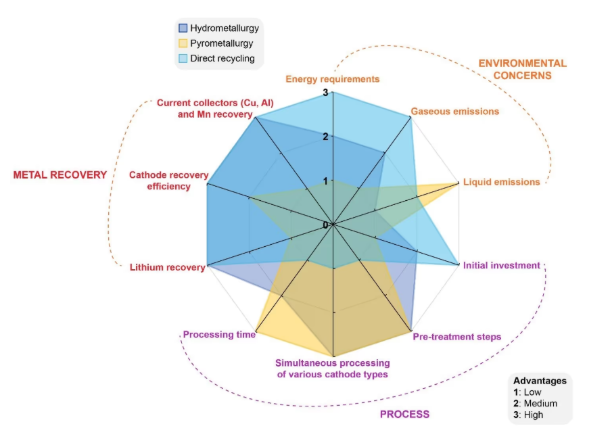
詳細はこちら:リチウムイオン電池リサイクルの技術革新
クリーンエネルギーの未来
クリーンエネルギーは、持続可能な未来を築く上で不可欠な要素です。技術革新によって可能性の領域が広がり、新たな技術が次々と生まれる中で、化学と材料科学、そして発電・蓄電・送電の各手法の間で、より密接なつながりが生まれています。もはや太陽光や風力といった特定の技術にとどまらず、このトピックは多くの潜在的な研究分野にまたがっています。
上記のトピックは、世界中の科学データを集約したCAS Content Collection、CAS SciFinder®、およびSTN™を活用したCAS IP Finderを用いて分析されました。これらのデータと分析機能へのアクセスは、CASのチームがデータガバナンスやナレッジマネジメント戦略において独自の洞察を得るための重要な強みとなっています。CASは今後も、クリーンエネルギー分野における主要な進展をこのスペースで継続的に発信していきます。
科学の最前線を追う
クリーンエネルギーやその他の新興分野に関する最新のCAS Insights分析を、公開と同時に受け取ることができます。