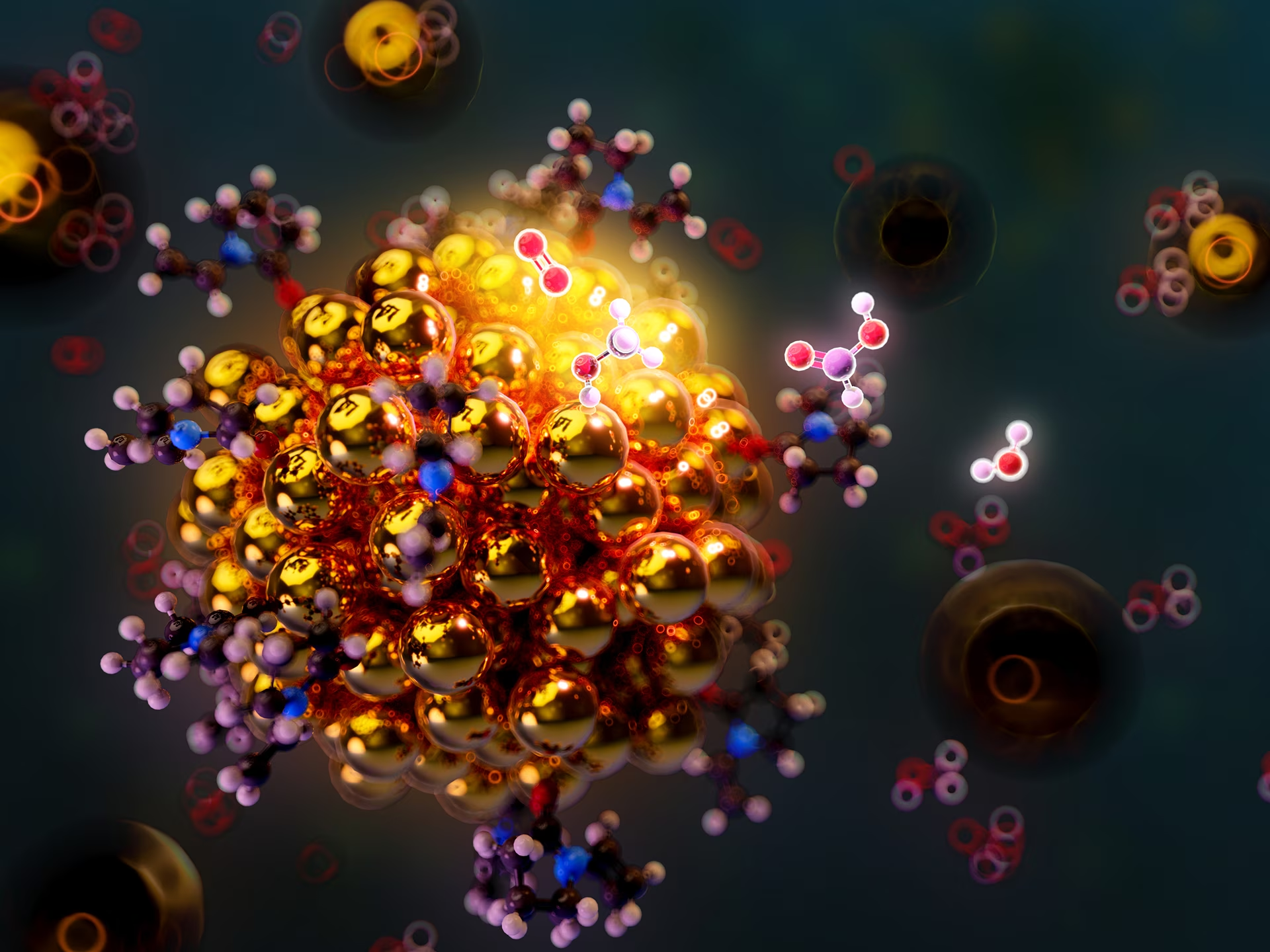


2D materials like graphene and carbon nanotubes are revolutionizing materials science, and now MXenes are introducing even greater adaptability and high-performance properties. Find out why MXenes are versatile industrial materials.
Learn how composting has evolved into a precision-engineered bioprocess, and about how aeration, microbial control, materials science, and AI are reshaping the field.
Five years of global pharmaceutical patent data reveal a field in fundamental transition: therapeutic platforms multiplying, molecular targets expanding well beyond traditional proteins, and disease focus shifting toward previously intractable conditions. The patterns show not just where innovation
Aerogels in shin guards, self-powered sensors in jerseys, leucine-tuned recovery protocols, and smarter artificial turf. The science behind today's most-watched sports is moving faster than the players.
As a new Ebola outbreak emerges, research into this devastating disease continues to accelerate. Discover how scientists are developing vaccines and therapeutics while confronting the challenge of sustaining innovation between crises.
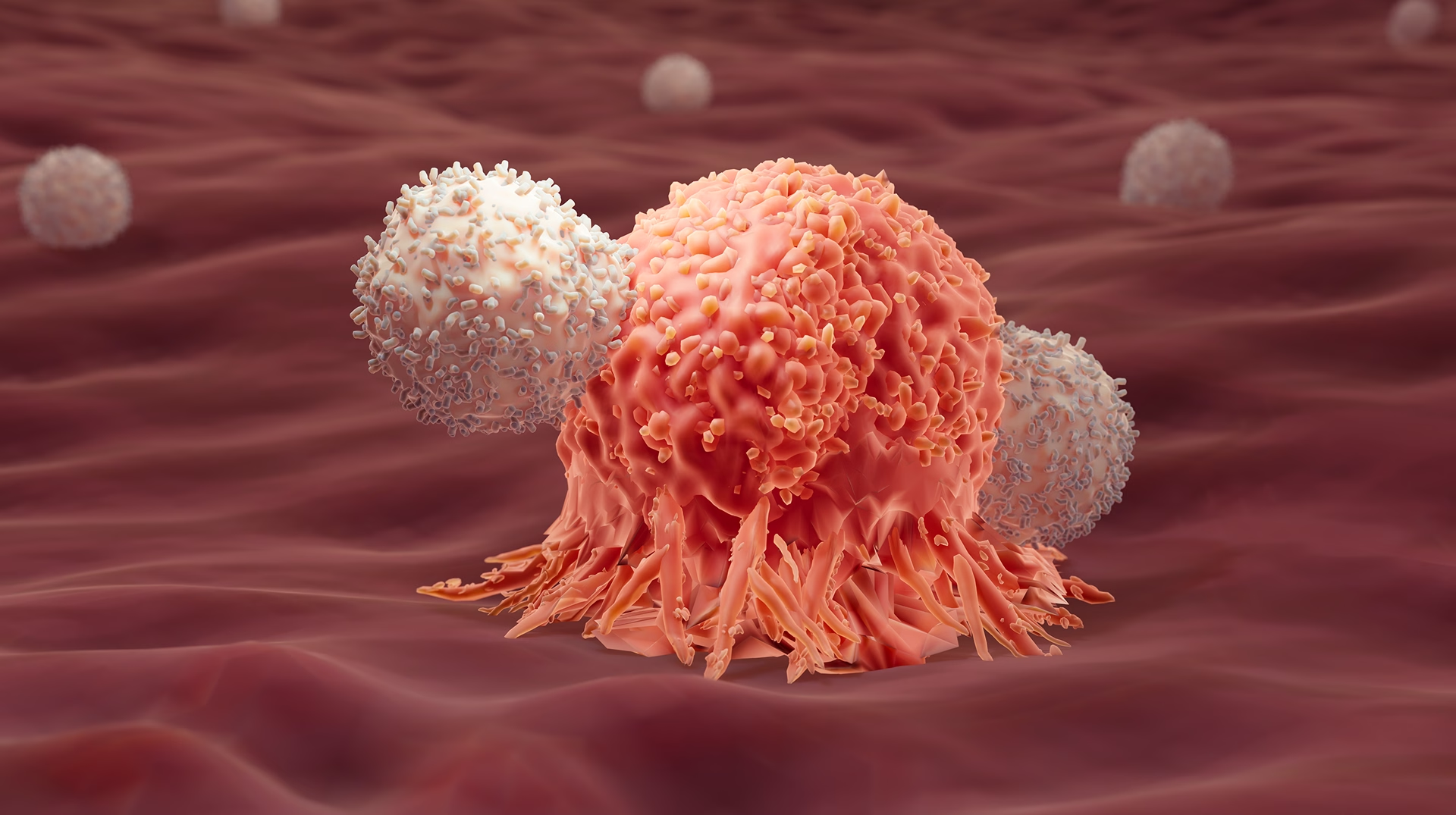
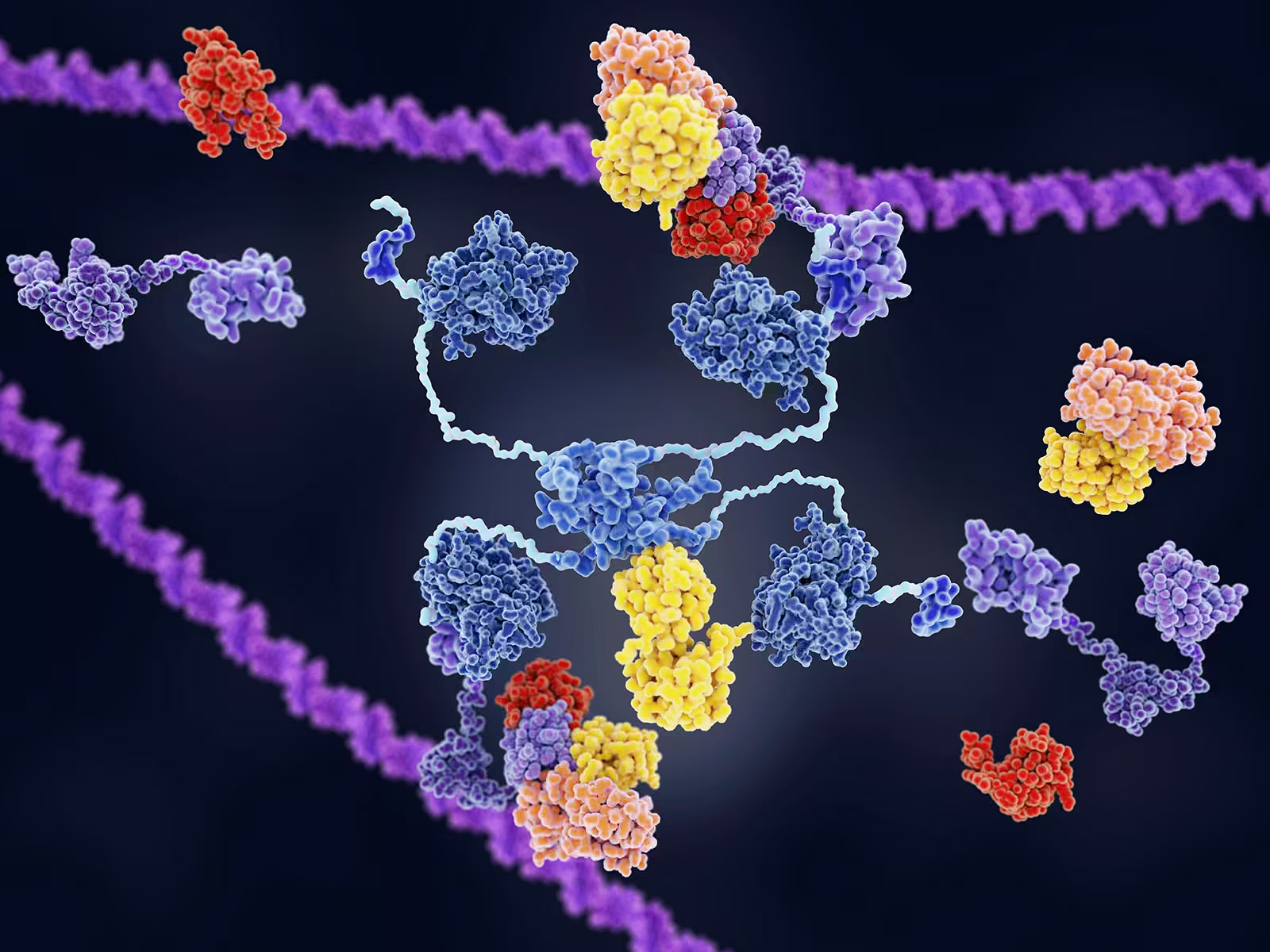
Three experts from CAS, the University of Messina, and the Coriell Institute break down how epigenetics has evolved from a niche research area into a clinical force, with 13 FDA-approved drugs, 2,200+ active trials, and a fast-growing diagnostic toolkit reshaping how we detect and treat cancer.
For high-performance technologies in power electronics, energy storage, and optoelectronics, semiconductors need to offer performance beyond standard silicon. Wide bandgap semiconductors can handle the high‑voltage, high‑temperature, and high‑frequency conditions of these emerging applications.
Hantavirus, a rodent-borne RNA virus with case fatality rates up to 40%, is reshaping zoonotic disease risk amid environmental change and global mobility.
Scientific R&D teams face real barriers to AI adoption. Learn how structured data, expert collaboration, and the Triangle of Success framework drive meaningful AI maturity.
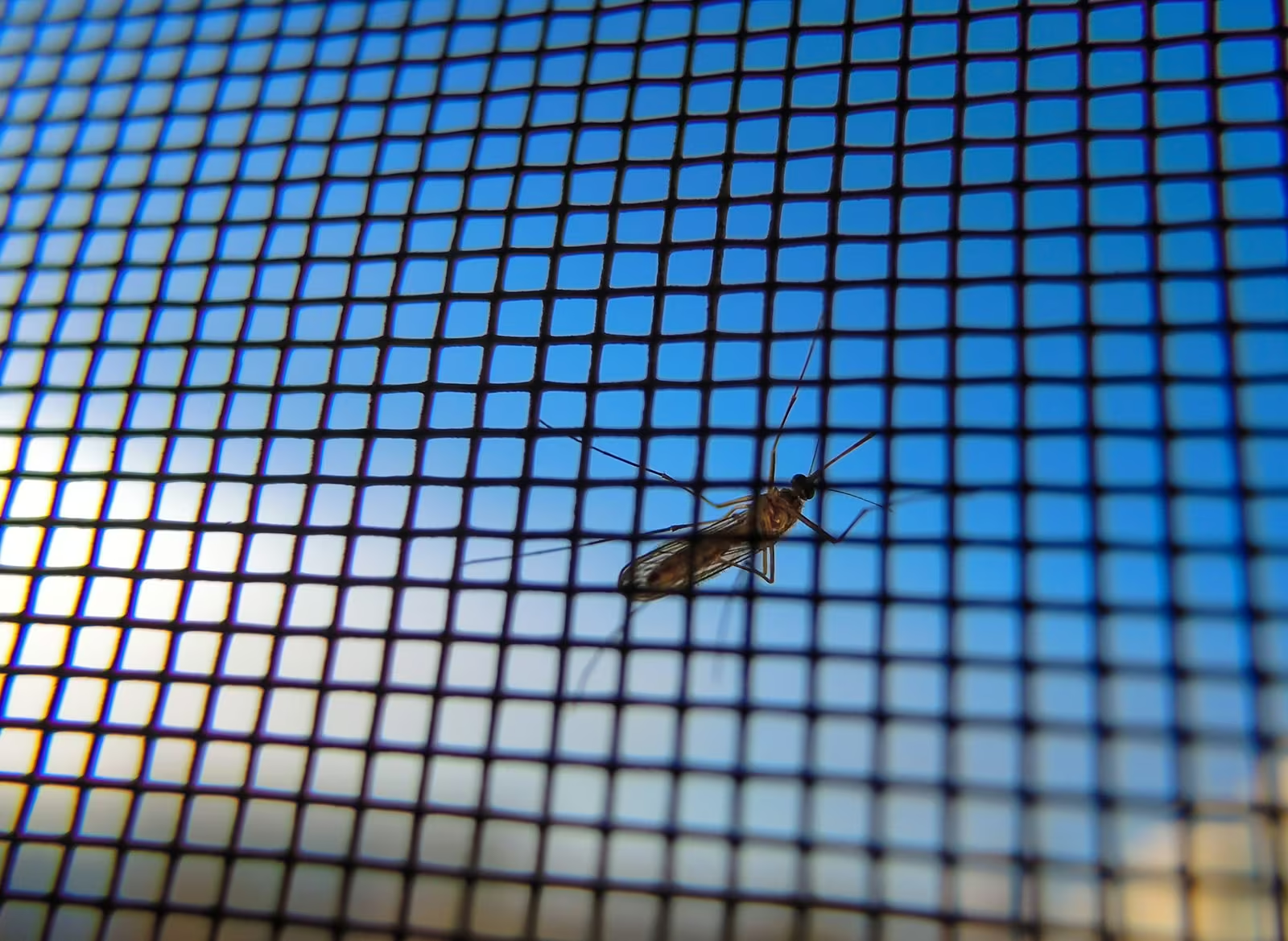
Vector-borne diseases are spreading to new regions as climate change intensifies, and public health systems need more treatment options to limit the impacts.
Spiro[2.3]hexanes are an example of promising yet challenging scaffold structures for new drug compounds. By using AI-powered predictive analytics with CAS BioFinder, researchers more efficiently identified candidates for validation.
AI-powered solutions hold so much potential for faster scientific innovation, but there are key milestones organizations must achieve before they can move beyond the pilot phase. These five markers are the cornerstones of AI readiness.
Point-of-care testing goes beyond pandemic-era viral infection tests to bring faster diagnostics for infectious diseases, chronic conditions, cancer, and more.
Reducing or removing solvents results in greener chemistry and less waste. Mechanochemistry uses forces like milling and grinding to drive chemical reactions, and it’s becoming a key approach to environmentally friendly catalysis, biomedicine, and more.
Summary of our recent webinar, featuring experts from CAS, the National Institute of Standards and Technology (NIST), and the University of Manchester, discussing the research landscape of microelectronics research and breakthroughs.
Biomass is currently just a fraction of our energy sources, but with more sustainable feedstocks and conversion processes, biomass-based chemicals and fuels could become common replacements for fossil fuel-based materials.
CAS hosted Life Sciences Summits across three regions in 2025, exploring practical AI integration in drug discovery. Learn about data governance, implementation barriers, and modality-specific challenges.
New Nipah cases in India have renewed focus on a high‑fatality zoonotic threat shaped by complex spillover dynamics, severe neurological disease, and limited medical countermeasures. Meanwhile, global efforts in diagonistcs, therapeutics, and vaccines are accelerating.