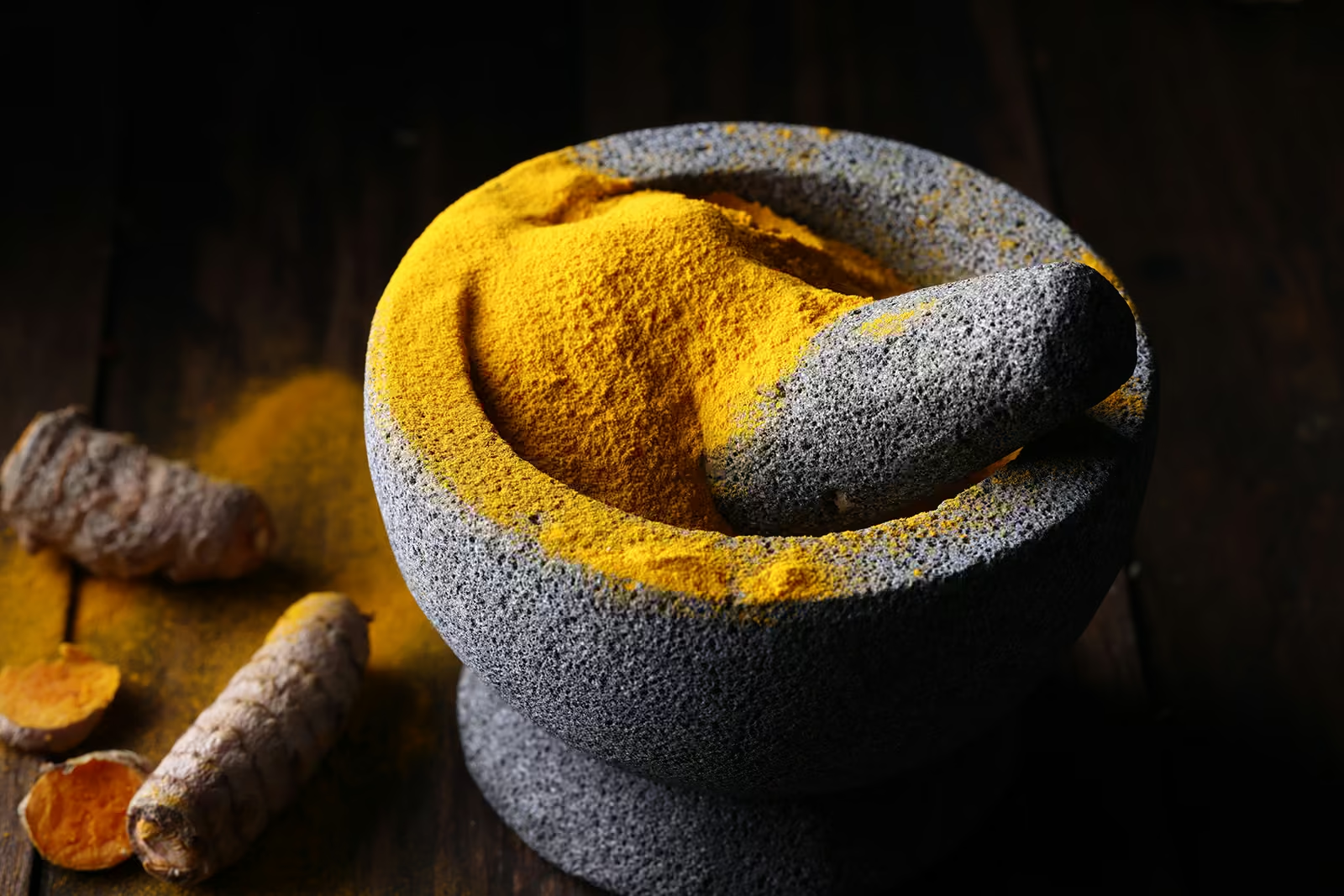


メカノケミストリー(磨砕、粉砕、せん断などの機械的な力によって化学変化を促進するプロセス)の歴史は、乳鉢と乳棒の時代にまで遡ります。しかし、この学問分野は決して古臭いものではありません。メカノケミカル反応は通常、溶媒を使用せずに行われるため、より環境に優しい合成アプローチを提供します。
Operating under solid-state or near-solid-state conditions, mechanochemistry also enables entirely new chemical transformations. In many cases, these reactions would be inaccessible via solution-based methods. As green chemistry gains traction, this method is an increasingly important way to reduce waste and improve safety in the development of chemicals, pharmaceuticals, and more.
この分野への関心の高まりは、出版物の傾向からも明らかです。これは、CAS Content CollectionTM(CAS IP Finder, powered by STNTMを通じてアクセス可能な、人間がキュレーションした最大の科学情報リポジトリ)を調査した結果判明しました(図1を参照)。
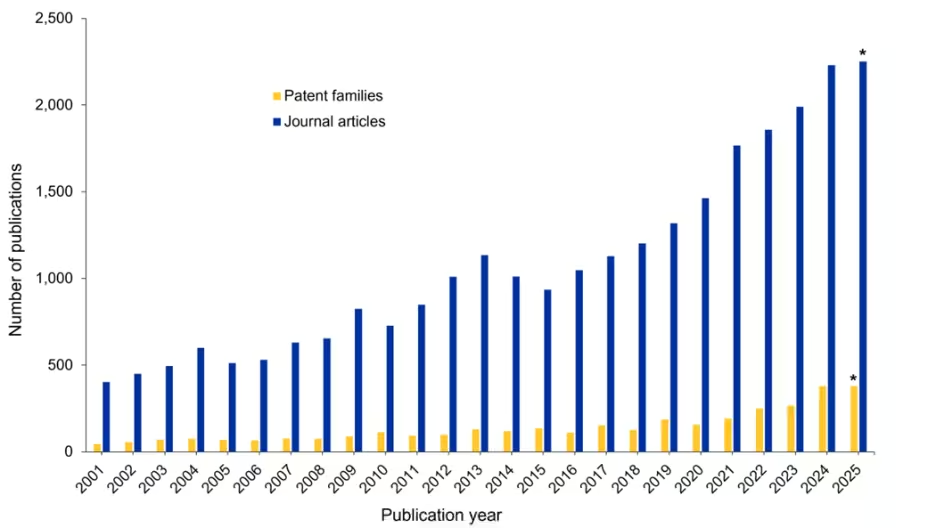
学術論文の着実な増加は、持続可能で環境に配慮した化学研究への関心に後押しされ、メカノケミストリーの学術的魅力が高まっていることを示しています。対照的に、特許出願数が比較的少ないことは、商業化が限定的であることを示唆しています。これは、機械的な粉砕がどのように分子グループを活性化して化学反応を引き起こすのかというメカニズムの解明に、現在課題があるためと考えられます。この分野がどのように進化し、グリーンケミストリーというより大きな枠組みの中でどのような役割を果たしているのかを見ていきましょう。
材料研究者は、CAS SciFinderを使用して材料科学の文献を検索し、イノベーションを支える構造と特性の相関関係や合成方法を特定できます。
メカノケミストリーの仕組み
メカノケミカル反応の手法選択は、エネルギー投入量、反応効率、拡張性、持続可能性に直接影響を与えるため、プロセス性能を決定づける重要な要素となります。我々の分析によると、メカノケミカル反応において最も普及している手法は粉砕(ミリング)であることが明らかになりました(図2を参照)。
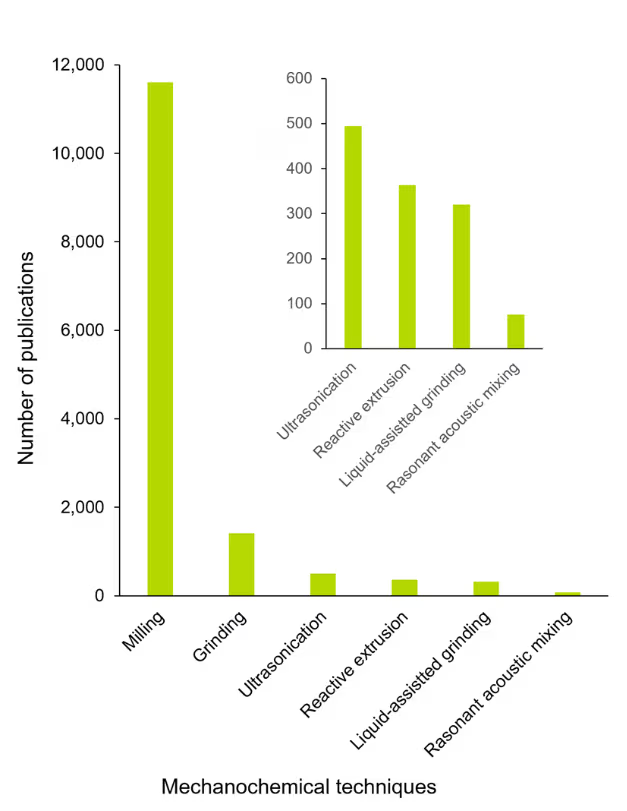
この優位性は、粉砕が密閉システム内で粉砕頻度や媒体とサンプルの重量比といった反応パラメータを精密に制御できる能力に起因しており、それによって効率性、汎用性が高まり、数多くの反応や研究用途に適したものとなっています。
粉砕機の設計は動作パターンに基づいており、シェーカーミルと遊星ミルが最も広く使用されています。シェーカーミルは通常、少量のサンプルに使用され、粉砕容器が往復運動することで、その頻度が粉砕強度を決定します。遊星ミルは、容器を中央軸の周りで回転させながら自転させることで強力な遠心力を発生させます。これは産業用ローラーミルの重力を模倣したものであり、スケールアップへの直接的な道筋を提供します。
次に一般的な手法は磨砕(グラインディング)です。これは一般的に、より単純で大気開放型の機械的プロセスを指し、反応パラメータの制御は限定的です。しかし、これは最も安価でシンプルなアプローチであり、乳鉢と乳棒を使えばグラムスケールで再現可能です。
超音波処理は、高周波の音波を利用して化学変化を促進します。これは効率的な攪拌、溶解の促進、物質および熱移動の改善、そしてキャビテーション崩壊による試薬のソノリシス(超音波分解)を通じて行われます。これらの局所的な極限状態は不均一系反応に有効であり、全体を加熱することなく反応を可能にします。このため、超音波処理は穏やかな条件下で反応を促進するための汎用性の高い手法となっています。
より新しいメカノケミカル手法も、少数ながら論文で報告されるようになっています:
- 反応押出成形、特に二軸押出成形(TSE)は、反応器の設計やその他の連続変数の最適化を通じて精密な制御を可能にすることで、メカノケミカルプロセスにスケーラブルかつ連続的なアプローチを提供します。TSEを用いた有機合成はまだ初期段階にありますが、その可能性はますます認識されつつあります。IUPACは、反応押出成形を、地球をより持続可能にする可能性を秘めた化学分野の10の新興技術の一つとして特定しました。
- 液体補助粉砕(LAG)は、メカノケミストリーの成功において極めて重要な役割を果たす新興技術です。少量の液体(液体添加剤:反応物重量比 η ≈ 0-1 μL/mg)を導入することで、LAGは反応物の混合を促進し、反応速度、選択性、収率を向上させ、エネルギー伝達を円滑にし、単なる乾式粉砕では達成できない変換を可能または誘導します。LAGにおける液体添加剤の操作は、メカノケミカル反応を制御する上で大きな役割を果たします。さらに、LAGは包接化合物、共結晶、多形、および有機メカノケミストリーのスクリーニングにおいて効率的です。イオン・液体補助粉砕(ILAG) は、LAGから発展したもので、少量の塩(≤ 5 mol%)を組み込んでシステムを活性化します。これに関連しつつも異なるアプローチとして、従来の溶媒や塩の代わりにイオン液体を添加剤として使用するイオン液体補助粉砕(IL-AG)があります。
- 共鳴音響混合(RAM)は、低周波の音響エネルギーを利用して、粉砕媒体や溶媒を必要とせずに混合や反応の誘起を行います。RAMは、汚染リスクを最小限に抑える簡素化された反応器設計を採用しています。有機合成や光化学プロセスに応用されており、メカノケミカル変換に対するクリーンで効率的なアプローチを提供します。
産業界におけるメカノケミストリーと先端製造
メカノケミストリーは、複数の領域にまたがる応用を持つ汎用性の高いアプローチへと進化しました。私たちはクラスコードに基づいたコンセプトデータを分析し、それぞれの用途に応じて分類しました(図3を参照)。その結果、メカノケミストリーは材料科学に広く応用されており、エネルギー貯蔵、エレクトロニクス、環境用途、触媒、生物医学の各分野に大きく貢献していることが明らかになりました。
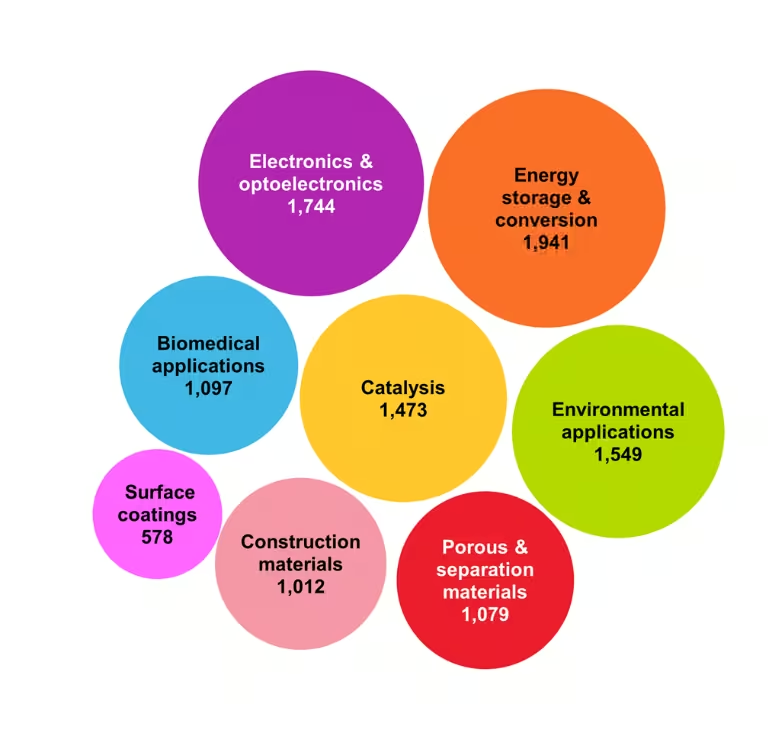
材料化学の優位性は、固体合成、環境に優しいプロセス、および先端材料の設計に適していることに起因します。さらに、鉱物・材料工学におけるメカノケミストリーの歴史的な発展により、これらの分野にインフラと専門知識が集中しています。
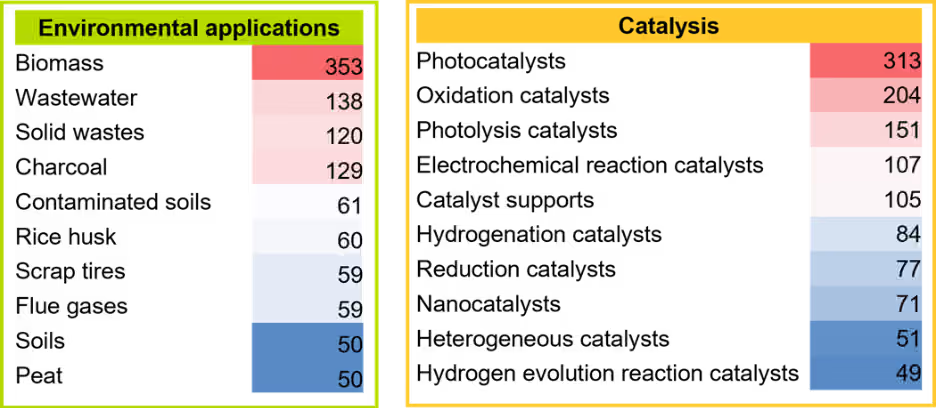
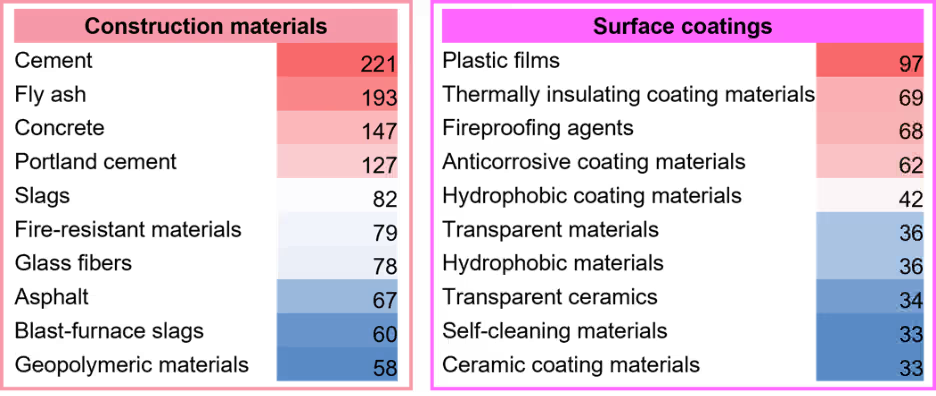
私たちは各分野を包括的に理解するために詳細な分析を行い、各カテゴリーにおける上位10のコンセプトを特定しました(図4を参照)。エネルギー貯蔵および変換の分野では、固体電解質がメカノケミストリーの主要な焦点として浮上しており、このコンセプトに関する出版物が最も多いことからもそれが裏付けられています。この傾向は、優れた安全性、耐久性、環境への配慮、そして極めて高いエネルギー密度を実現する全固体電池の人気が高まっていることに起因していると考えられます。
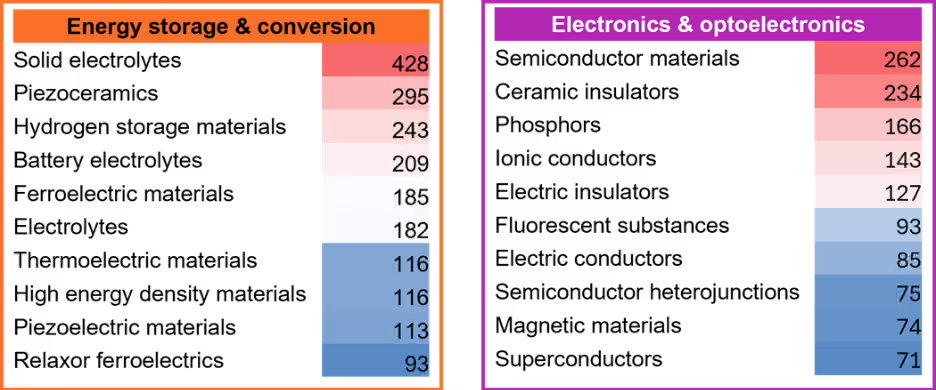
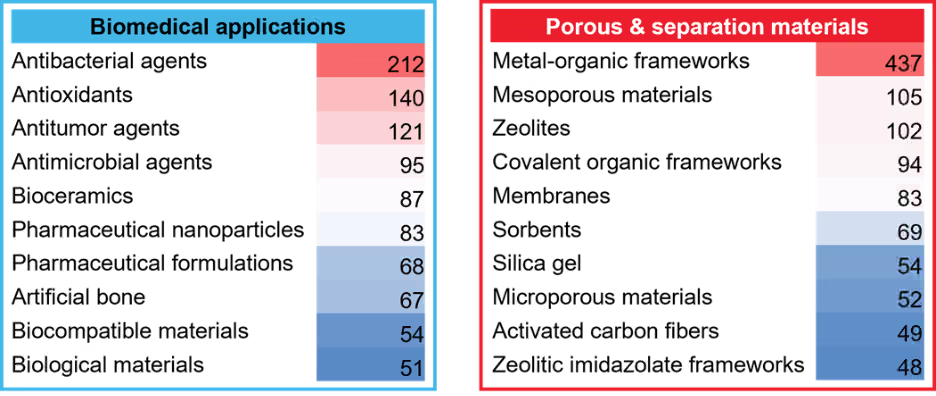

半導体およびセラミック絶縁体は、デバイスの性能、小型化、信頼性に不可欠であるため、エレクトロニクスおよび光エレクトロニクス分野における主要なコンセプトです。これらは、スマートフォン、太陽電池、LEDといった現代技術の中核をなす、高速・高効率かつ耐久性の高いエレクトロニクスや光エレクトロニクスを実現します。
バイオマスは環境用途において普及しています。これは、廃棄物管理、再生可能エネルギー生産、二酸化炭素排出量の削減など、多くの持続可能性の課題に対処できるためです。メカノケミストリーをバイオマスの有効利用や処理と統合することで、持続可能性はさらに向上します。
近年、光触媒は、その持続可能性と高効率性から、触媒プロセスにおける極めて重要な分野として浮上しています。これに基づき、メカノ光触媒反応は、より環境に優しい技術への先進的なステップとして科学的な関心を集めており、現在ではメカノケミストリーにおける最も著名な触媒アプローチの一つとして認識されています。メカノ触媒プロセスは、多様な有機変換を実現する上でも重要な役割を果たしています。
メカノケミストリーは、生物医学的応用および様々な治療薬の合成において革命的です。これには、薬物の溶解性と安定性を向上させるための多形制御、共結晶形成、共アモルファスシステムを含む医薬品製剤が含まれます。さらに、メカノケミストリーは、標的薬物送達のための機能化された医薬品ナノ粒子の製造を通じて、ナノ医療を支援しています。
メカノケミストリーのもう一つの重要な用途は、多孔質材料および分離材料の概念にあり、特に金属有機構造体(MOF)に重点が置かれています。MOFは、高い多孔性、調整可能な構造、化学的多様性を兼ね備えている点が特徴であり、多様な科学的・産業的用途で非常に求められている材料です。これらはワンポット法で合成できるため、溶媒の使用量を削減するメカノケミカルな開発にとって理想的なターゲットとなります。
メカノケミストリーは、建設材料や表面コーティングにも応用されており、それぞれセメントとプラスチックフィルムに重点が置かれています。プラスチックフィルムやスプレーコーティングは、リグノセルロース系バイオマスのメカノケミカルな前処理によって生成されたポリマーからも製造可能です。
有機化学をより持続可能にする
メカノケミストリーは、技術強化された合成のための現代的なツールの一つであり、従来の有機化学と先端技術革新との間の相乗効果を促進します。有機合成は伝統的に、反応を促進するために反応物を有機溶媒に溶解することに依存してきましたが、これにより、大量の溶媒を排除するメカノケミカルなアプローチによって同様の変換が達成できるかという疑問が生じています。
この戦略は持続可能性の観点から非常に望ましいものですが、有機合成が分子レベルの精度、立体選択性・化学選択性、および安定化を保証する溶液相技術に深く根ざしているため、依然として困難が伴います。これらの限界を克服するための継続的な取り組みにより、メカノケミストリーの適用範囲は、有機触媒反応や金属触媒変換、オレフィンメタセシス、C-H活性化、カップリング反応、クリック反応など、数多くの有機変換へと拡大することに成功しました。
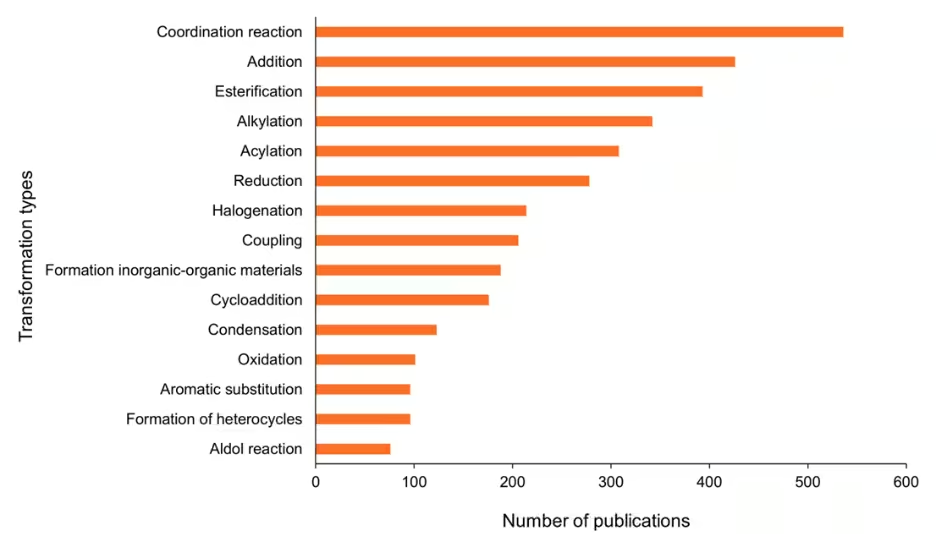
世界中の化学および関連科学データを集約したCAS SciFinder®を使用して、反応データを分析し、現在メカノケミカルなアプローチで実行されている変換タイプの傾向についての洞察を得ました(図5を参照)。
同様の傾向を調査する研究者は、CAS SciFinderのAI搭載検索機能を利用することで、有機化学反応データ内のパターンを特定できます。
配位反応は主要な変換タイプであり、それに続くのがアルコールやアミンのアルデヒドへの付加、マイケル付加、活性化された二重結合や三重結合への有機金属の付加などを含む付加反応です。どちらの反応タイプも本質的に固体状態での条件と適合しており、メカノケミカルな活性化によってもたらされる密な混合とエネルギー投入の恩恵を受けています。
エステル化、アシル化、アルキル化といった反応タイプは、有機合成において最も一般的な官能基変換の一部です。図6は、上位10種類の反応タイプの年次成長を示しており、メカノケミカル条件下で実施される反応数の一貫した増加を浮き彫りにしています:
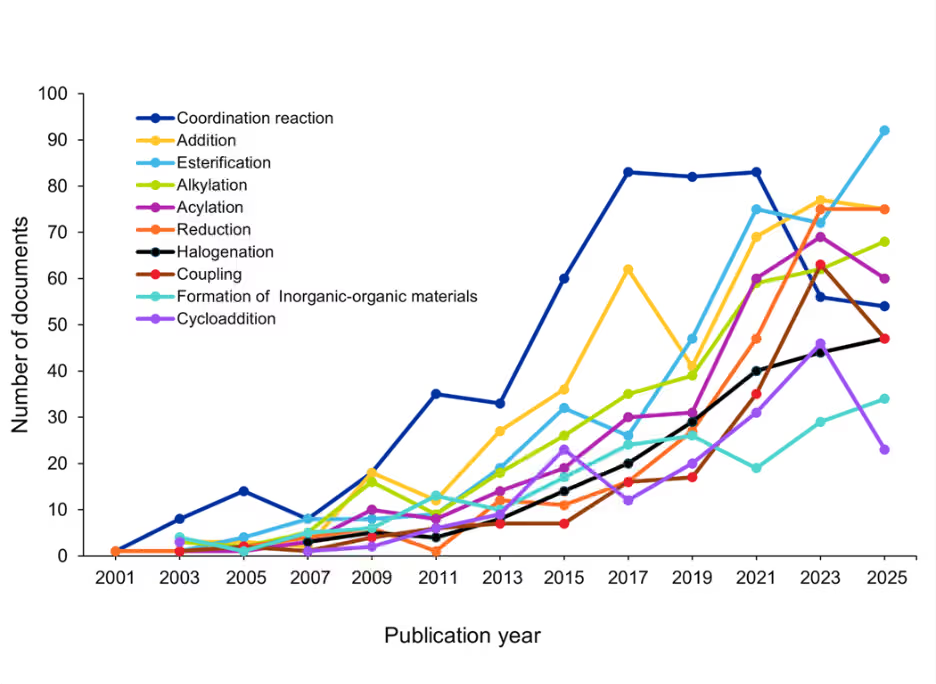
図6: 上位10種類の反応タイプの成長。出典:CAS Content Collection。
プロセス自動化はメカノケミストリーをスケールアップするための鍵である
メカノケミストリーは、化学合成における溶媒を使用しない革新的なアプローチとしてますます認識されています。この分野は、材料科学、高分子化学、有機・無機合成、生化学など、多様な分野で広く採用されるようになりました。メカノケミストリーは広範な利点を提供しますが、その可能性を商業的成功へとつなげるには、スケーラビリティの問題を克服することが不可欠です。そのため、反応手法の進歩やメカノケミカル技術の開発を通じて、これらの課題に対処する取り組みが進められています。
例えば、メカノ触媒は機械的力と触媒作用を組み合わせることで、エネルギー効率を高め、従来の溶液法では到達できなかった反応を実現します。これは有機合成、材料開発、重合など、あらゆる領域で同様に大きな影響を与えています。前述の通り、LAGもメカノケミカルな反応性を拡張する強力な手法であり、溶媒フリーの条件下では困難な反応を促進します。連続処理はスケーラビリティと工業化を達成するための鍵であり、押出成形ベースのメカノケミストリーが極めて重要な解決策として浮上しています。TSE技術の統合により、多くのメカノケミカル変換の大規模な実行が可能になりました。
メカノケミストリーはかなりの成功を収めていますが、その反応メカニズムと理論的基盤の包括的な理解は依然として発展途上です。したがって、メカノケミカルプロセスを効果的に計画し、成功させるためには、この方向での集中的な研究が不可欠です。さらに、AIを統合することでプロセスの自動化と選択を支援し、より効率的で経済的に実行可能な工業規模のメカノケミカル生産への道を開くことができます。
本質的に、メカノケミストリーは単なるトレンドではなく、持続可能な化学生産に向けたパラダイムシフトです。継続的な研究と技術革新により、学界と産業界の両方で進歩を促進し、主流の工業プロセスとなる態勢が整っています。