环肽在药物发现中的趋势与治疗方向

环肽在药物研发中的趋势与治疗方向

过去几十年来,多肽疗法凭借其高特异性、良好的安全性以及不断扩展的化学设计空间,已成为人类医学中一种极具前景的治疗模式。这一点在近期 GLP-1 受体激动剂(如司美格鲁肽)的爆发式增长中得到了充分体现。在所有获得 FDA 批准的 多肽疗法中,约 25% 属于环肽类。环肽是一类多肽,其氨基酸链通过各种环化策略共价闭合,形成环状结构。这种拓扑结构使其区别于线性多肽,并赋予了其更强的构象刚性、蛋白水解稳定性以及更好的结合亲和力。 

通常,环肽的分子量处于约 500–3000 Da 的中间范围,在尺寸和复杂性上介于小分子药物和大分子生物制剂之间。其环状结构带来了多项优势,包括增强了对酶降解的抵抗力、改善了靶点结合能力,以及至关重要的口服生物利用度潜力——这长期以来一直是多肽类药物研发的一大障碍。这些结构受限的化合物占据了独特的化学空间,结合了大分子生物制剂的高特异性和亲和力,以及小分子药物良好的药代动力学特性。

全球环肽市场正在稳步增长,这得益于其相较于线性多肽的独特结构优势。该市场 预计 到 2026 年将达到近 36 亿美元,复合年增长率为 6.5-6.7%,到 2032 年将达到约 53 亿美元。生物制药应用占据主导地位,特别是在肿瘤学、自身免疫性疾病和传染性疾病领域,并得到了固相合成、展示筛选平台(如 mRNA 展示和噬菌体展示)以及计算设计等技术进步的支持。 

环肽市场的主要参与者包括 Bicycle Therapeutics、默克(Merck)、Bachem 和 Apellis Pharmaceuticals,同时其在诊断、环境保护和生物传感方面的新兴用途正在扩大市场版图。这种增长反映了环肽作为下一代生物制剂开发核心模式的作用。

我们探索了来自 CAS Content CollectionTM 的数据 ,作为全球最大的人工收录已发表科学信息合集,旨在全面概述环肽及其治疗潜力。我们的研究结果表明,口服给药途径正受到越来越多的关注,过去几年相关出版物的稳步增长便印证了这一点。 

除了给药方式,我们还研究了肽类型、环化类型和特定肽修饰等属性如何与治疗领域、潜在分子靶点及给药途径共同出现。这些见解共同勾勒出塑造环肽疗法未来发展的趋势全景。

基于 CAS 数据的环肽研究趋势

为了绘制出版物布局,我们通过以下工具访问了 CAS Content CollectionTM 中的数据: CAS SciFinder®®https://www.cas.org/solutions/cas-scifinder-discovery-platform 以及 CAS STNext®  并进行了定量分析。结果显示,从 2006 年到 2025 年,研究呈现稳步增长态势,其中期刊出版物始终占据研究产出的主导地位(见图 1)。期刊文章约占总出版物的 66%,而专利占 34%,这表明学术界在重视基础研究的同时,也兼顾了商业应用。 

Figure 1: Bar and line chart showing year-wise distribution of journal and patent publications on cyclic peptides from 2006 to 2025. Journal articles consistently dominate, representing roughly 66% of output. Both categories show steady growth through 2014, with a notable acceleration from 2015 onward, peaking in 2021–2024. Patent publications surpassed journal articles in 2023 and 2024, indicating a recent shift toward commercialization.
图 1: 环肽期刊和专利出版物的年度分布。*2025 年数据截至 8 月。来源:CAS Content CollectionTM。

年度趋势显示,出版活动自 2015 年左右开始显著加速,并在 2021-2024 年间达到峰值。值得注意的是,2023 年和 2024 年的专利出版物数量超过了期刊文章,这表明近年来人们对商业化和应用研究的关注度日益提高。

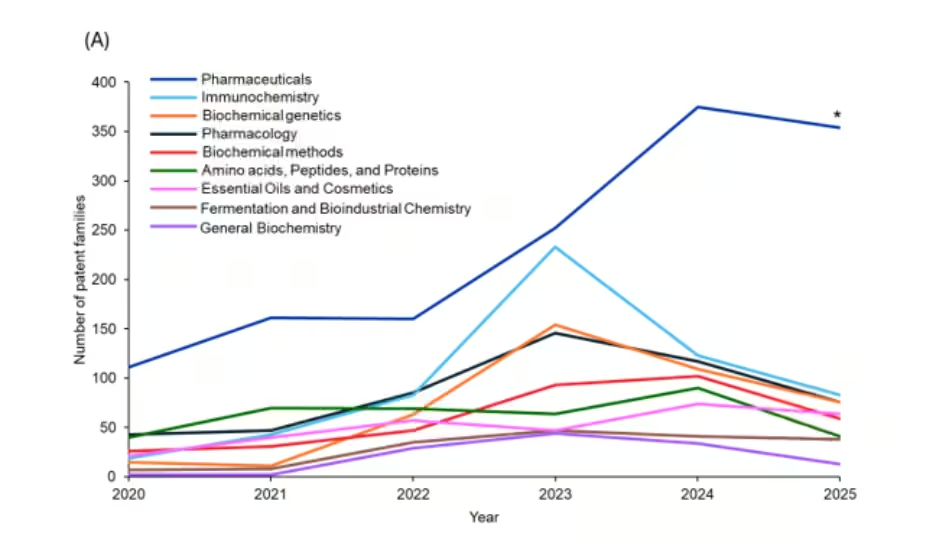
随后,我们检查了由 CAS 分析师通过稳健索引生成的 CAS 部分数据,以了解环肽领域的主要创新方向(见图 2)。总体而言,制药领域始终占据主导地位,从 2022 年起急剧上升,并在 2024 年达到峰值(增长超过 2 倍),这反映了人们对环肽在药物开发方面转化研究的浓厚兴趣。

Figure 2: Multi-line chart showing yearly patent trends for cyclic peptides by CAS section from approximately 2010 to 2025. Pharmaceuticals dominate and show a sharp rise from 2022, reaching peak values in 2024. Immunochemistry, biochemical genetics, pharmacology, and biochemical methods also show notable increases in recent years, reflecting growing interest in peptide-based immunomodulators and production methods.
图 2: 基于各自 CAS 部分的环肽相关专利年度趋势。*2025 年数据截至 8 月。来源:CAS Content Collection。

免疫化学、生化遗传学、药理学和生物化学方法也呈现出显著增长,表明基于肽的免疫调节剂和生产方法的研究活动日益活跃。这些趋势共同表明,环肽专利的增长不仅是由治疗应用驱动的,还受到其在生化工具、平台技术和工业生物技术领域应用扩展的推动。

作为药物的环肽

为了调查环肽药物的新兴趋势,我们对 CAS REGISTRY® 中 2020-2025 年的物质数据进行了详细分析。我们在分析中纳入了具有以下 CAS 角色的物质:治疗 (THU)、药理学 (PAC) 或药代动力学 (PKT)。其对应的 SMILES 表示形式使用 RDKit 进行结构评估。 

通过应用此工作流程,我们确定了 46,574 种环肽。分类基于以下标准:(1) 分子至少包含一个环 (has_any_ring = True);(2) 分子总体上拥有 ≥ 2 个酰胺键 (len(amide_bidx) ≥ 2);(3) 至少有一个环包含 ≥ 2 个骨架状酰胺键,且两个末端均邻近 α-碳。只有当这三个条件全部满足时,肽才被视为环肽。

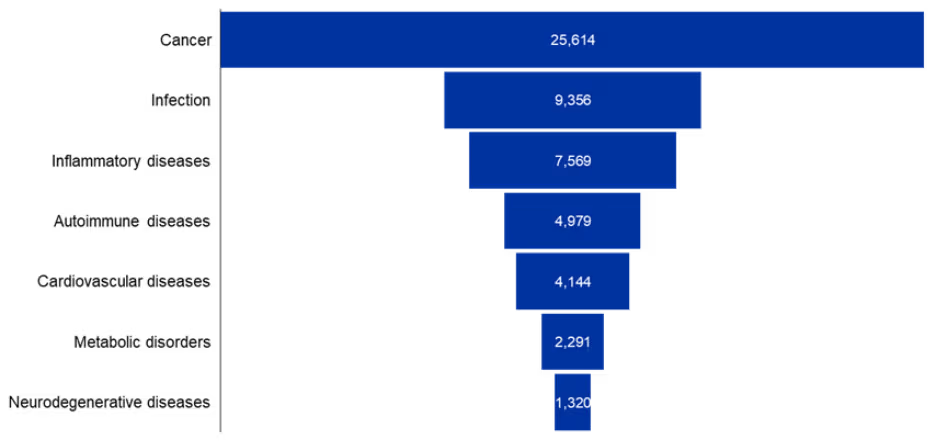
随后,我们分析了数据集中提到的主要治疗领域,并观察了这些环肽在其中的分布情况。分析显示,肿瘤学领域占据明显主导地位(见图 3)。

Figure 3: Horizontal bar chart showing the number of cyclic peptides associated with major therapeutic areas from 2020 to 2025. Oncology has the highest count by a substantial margin. Infectious and inflammatory diseases form the next largest clusters, followed by autoimmune and cardiovascular diseases. Metabolic and neurodegenerative disorders represent smaller but emerging areas.
图 3: 环肽研究的主要治疗领域。每个柱状图显示了与特定治疗领域相关的环肽数量。数据涵盖 2020-2025 年。来源:CAS Content CollectionTM。

传染病和炎症性疾病是接下来的主要研究集群。自身免疫性疾病和心血管疾病也占据重要地位,尽管其发表的文献数量远少于癌症领域。代谢性疾病和神经退行性疾病是规模较小但正在兴起的研究领域。总体而言,这些趋势表明,尽管环肽正在广泛的治疗领域中被研究,但癌症和传染病仍然是研究活动的主要推动力。

在确定了超过 46,000 种环肽后,我们的下一步是使用 RDKit 对这些已识别的肽进行分析,以确定 环肽的类型 (基于其包含的氨基酸数量), 环化类型 (存在于给定肽中),以及是否存在 修饰

环肽的类型

环肽是一类结构多样的生物分子,可以根据其来源、形成环的键的性质以及所涉及的氨基酸残基数量进行分类。从来源角度来看,它们可以是天然存在的(由微生物、植物或海洋生物产生),也可以是人工 合成的。 通过化学合成实现定制化的药物应用。 

根据键合类型,环肽可分为同肽(homodetic)、异肽(isopeptide)和缩肽(depsipeptide)三类。同肽环肽(如环孢素A)的特征在于其环结构完全由标准肽键组成,即一个残基的α-羧基与另一个残基的α-氨基之间形成的键。 

异肽环肽以微囊藻毒素(microcystin)和杆菌肽(bacitracin)为代表,其结构中至少含有一个非α-酰胺键,通常涉及侧链,这赋予了其结构多样性和独特的生物活性。 

缩肽类(如金担子素A、卡哈拉内酯F和海绵素B)的特征在于至少含有一个酯(内酯)键来替代酰胺键,该键通常在C端羧基与丝氨酸或苏氨酸残基的羟基侧链之间形成,并以其强大的药理特性而著称。

按环大小进行的分类进一步凸显了环肽的功能多样性。环二肽(或二酮哌嗪)是最简单的成员,通常具有刚性且耐蛋白水解。三肽的体积稍大,构象灵活性更高,据报道具有抗氧化和抗炎特性。四肽的环张力降低,表现出更高的稳定性,在受体调节和药理活性方面得到了广泛研究。五肽在构象多样性和稳定性之间取得了平衡,使其成为具有改善生物利用度潜力的药物设计骨架。 

通常认为四肽和五肽是实现可靠稳定性的阈值,因为二肽和三肽等较小的环 可能会受到环张力的影响,而较大的大环结构则获得了构象稳定性和功能多功能性。大环肽以及双环和多环结构表现出极高的稳定性和高度特异性的结合特性,万古霉素、达托霉素和防御素等分子即是例证。为了实现可靠的稳定性,二肽和三肽等较小的环可能会受到环张力的影响,而较大的大环结构则获得了构象稳定性和功能多功能性。大环肽以及双环和多环结构表现出极高的稳定性和高度特异性的结合特性,万古霉素、达托霉素和防御素等分子即是例证。 

“大环肽”一词在文献中的定义较为模糊,目前对于大环肽中氨基酸的数量尚无严格的界定标准。在此,基于此前发表的 报告 以及 领域专家 的观点,我们将任何含有六个或更多氨基酸的环肽视为大环肽。双环或多环肽具有复杂的结构,包含两个(双)或更多(多)个环。总而言之,这些分类强调了环肽在结构和功能上的丰富性,它们持续作为药物发现、化学生物学和治疗开发中的重要模板。

环化类型

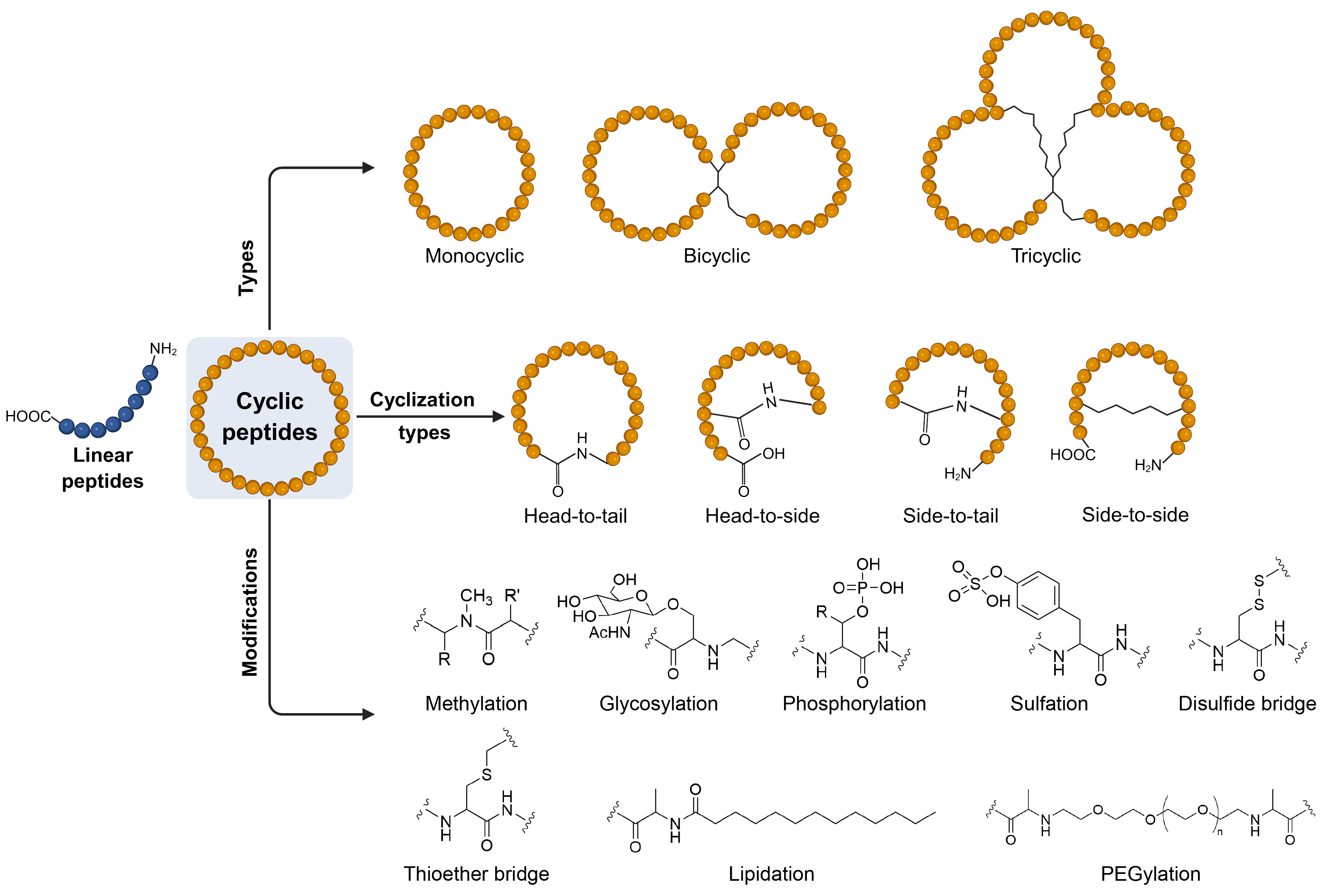
Cyclic peptides exhibit remarkable structural diversity, and the mode of cyclization strongly influences their stability and biological properties. Head-to-tail cyclization is the most prevalent, forming a closed ring between the N-terminal amine and C-terminal carboxyl group (see Figure 4). This orientation eliminates free termini, conferring resistance to exopeptidase degradation and often enhancing membrane permeability and intracellular delivery. 

Head-to-side and side-to-tail cyclizations introduce alternative ring closures by linking termini to reactive side chains, which can fine-tune conformational rigidity and surface exposure of functional groups. Side-to-side cyclization, such as disulfide bond formation between cysteine residues, stabilizes secondary structures and allows reversible redox control, making it useful in mimicking natural peptide hormones and toxins.

Figure 4: Schematic diagram illustrating the types of cyclic peptides, their cyclization strategies, and common chemical modifications. Panels depict head-to-tail, head-to-side, side-to-tail, and side-to-side cyclization orientations, along with representative structural examples and modification sites such as disulfide bonds and N-methylation.
Figure 4: Schematic representation of the types of cyclic peptides, their cyclization types and a few common modifications. Figure created partially using www.BioRender.com. 

Beyond these canonical strategies, mixed mode cyclization combines multiple linkages to create hybrid architecture with enhanced complexity. Such designs can lock peptides into highly defined conformations, improving receptor selectivity, bioavailability, and thermal stability. By carefully choosing the cyclization orientation, chemists can modulate peptide solubility, resistance to enzymatic breakdown, and overall pharmacokinetic behavior.

As noted, we analyzed cyclic peptides with CAS roles THU, PAC, and PKT from the CAS Content Collection using RDKit to classify them based on their type and cyclization type (see Figure 5). For this, we selected the ring with the highest number of amide bonds (most likely the main macrocycle). We then counted all amide bonds in that ring (ignoring the α-carbon filter for size naming). Lastly, we applied the following classification: if the peptide contains 2 amides → cyclic dipeptide; 3 amides → cyclic tripeptide; 4 amides → cyclic tetrapeptide, 5 amides → cyclic pentapeptide; and ≥ 6 amides → macrocyclic peptide. If there were more than one amide-containing rings, then the peptides were classified as bicyclic or polycyclic. 

To determine the cyclization type, carbonyl carbon and amide nitrogen atoms were identified and checked for adjacency. If amide N was adjacent to an α-carbon, it was marked as head (backbone). If carbonyl C was adjacent to an α-carbon, it was marked as tail (backbone). The cyclization type was determined based on whether the two ends involved both as backbone (head-to-tail), one N backbone and other as C side-chain (head-to-side), one N side-chain and other as C backbone (side-to-tail), and both ends as side-chains (side-to-side).

Figure 5A: Donut chart showing the distribution of identified cyclic peptides by type. Macrocyclic peptides account for more than half of all identified compounds. Bicyclic and polycyclic structures represent the next largest share. Cyclic dipeptides and tripeptides are least common.

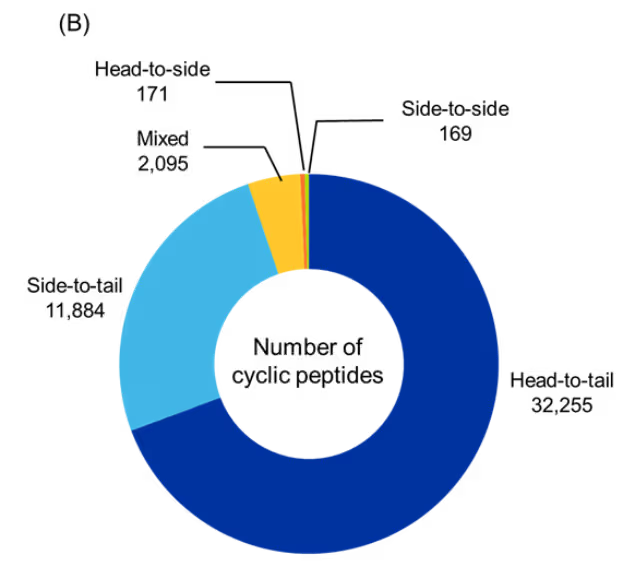
Figure 5B: Donut chart showing distribution of identified cyclic peptides by cyclization type. Head-to-tail cyclization is dominant, accounting for nearly two-thirds of the dataset. Side-to-tail and mixed cyclizations represent smaller shares. Head-to-side and side-to-side cyclizations are least prevalent.A blue circle with yellow center

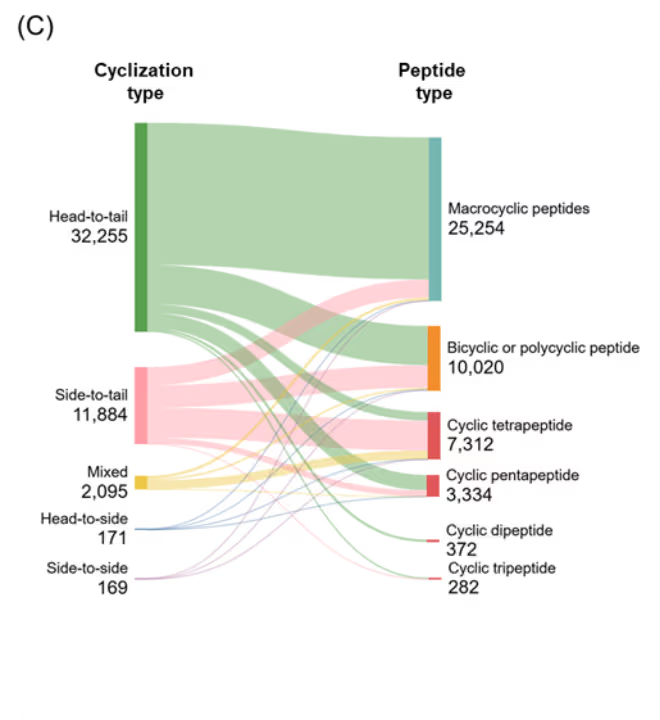
Figure 5C: Sankey diagram showing co-occurrence between peptide type and cyclization strategy. Most head-to-tail cyclized peptides form macrocyclic architectures. Side-to-tail and mixed cyclizations contribute more diversely to bicyclic and polycyclic structures, as well as smaller ring sizes such as tetrapeptides and pentapeptides.
Figure 5: Distribution of identified cyclic peptides based on their (A) type, and (B) cyclization type. (C) Sankey graph showing co-occurrence between peptide type and cyclization type. Only cyclic peptides indexed with CAS roles THU, or PAC, or PKT were included for the analysis for the period 2020-2025. Source: CAS Content Collection. 

Our analysis showed that macrocyclic peptides were the most prevalent, accounting for more than half of the identified cyclic peptides, followed by bicyclic and polycyclic structures (see Figure 5A). In contrast, cyclic dipeptides and tripeptides were least common, suggesting that larger peptides are generally preferred for therapeutic applications due to their superior stability and functional versatility.

Among cyclization strategies, head-to-tail cyclization was the most dominant, accounting for nearly two-thirds of the identified cyclic peptides, followed by side-to-tail and mixed cyclizations. Head-to-side and side-to-side account for a small fraction of cyclic peptides indicating that these cyclization types may not be preferred or as explored (see Figure 5B).   

Co-occurrence analysis between peptide type and cyclization strategy revealed that most head-to-tail cyclized peptides form macrocyclic architectures, whereas side-to-tail and mixed cyclizations contribute more diversely to bicyclic/polycyclic structures and smaller ring sizes such as tetrapeptides and pentapeptides (see Figure 5C). Overall, these findings underscore the strong association between cyclization strategy and the resulting peptide architecture.

Cyclization bonds and chemical/bioconjugate modifications

Cyclic peptides can be stabilized through diverse cyclization bonds such as disulfide, ether, thioether, ester, and thioester linkages, each imparting unique structural and functional properties. 

Disulfide bonds, formed between cysteine residues, are among the most common and confer conformational rigidity, though they can be redox-sensitive. Thioether and ether linkages provide enhanced chemical stability compared to disulfides, as they are resistant to reduction and proteolytic cleavage., formed between cysteine residues, are among the most common and confer conformational rigidity, though they can be redox-sensitive. Thioether and ether linkages provide enhanced chemical stability compared to disulfides, as they are resistant to reduction and proteolytic cleavage.

Ester bonds in cyclic peptides enhance protease resistance, solubility, and conformational control, making them useful for improving stability and drug-like properties. Thioester bonds, meanwhile, play a key role in natural biosynthesis and synthetic cyclization by enabling acyl shifts, facilitating efficient macrocyclization, and mimicking biological pathways. Furthermore, amide to ester substitutions in cyclic peptides can also improve their membrane permeability. These cyclization bonds directly influence the therapeutic potential of cyclic peptides by modulating stability, bioavailability, and target affinity. 

Chemical or bioconjugate modifications on peptides constitute a fundamental strategy in the rational design of novel peptide entities and the expansion of their functional repertoire. By applying well-established chemical methodologies, it is possible to modulate key physicochemical parameters, including net charge, hydrophobicity, conformational flexibility, amphiphilicity, and sequence composition that collectively govern peptide stability and biological performance, peptide stability, and biological performance. 

Such targeted modifications enable researchers to overcome intrinsic limitations of native peptides, thereby improving pharmacokinetic behavior, enhancing biological activity, and broadening therapeutic applicability. Continued advances in modification strategies are driving progress in peptide science, establishing modified peptides as versatile platforms for mechanistic studies and translational applications.

Some important modifications and their significance are summarized in the table below:

Peptide Modifications and Their Significance
Modification Significance
Methylation Improves oral bioavailability
Improves protease resistance
Increases membrane permeability
Glycosylation Improves solubility and stability, improves half-life
Enhances target binding
Reduces immunogenicity
Lipidation Increases membrane permeability
Improves receptor selectivity and potency
Increases enzymatic stability
Phosphorylation Impacts peptide conformation and interactions with target proteins
Sulfation Enhances receptor binding and improves aqueous solubility
PEGylation Reduces renal clearance
Prolongs circulation half-life

Table 1: Peptide modifications and their significance. Source: CAS Content Collection.

Our analysis focused on cyclization bonds (disulfide and thioether) and chemical modifications listed in Table 1. Disulfide bonds were the most common, followed by thioether linkages. Among chemical modifications, N-methylation was most prevalent, followed by complex modifications (involving multiple changes) and lipidation. Glycosylation, PEGylation, sulfation, and phosphorylation were comparatively rare, likely because these modifications are more specialized and often used to enhance solubility, bioavailability, or targeting rather than being broadly applied across peptide classes (see Figure 6A).  

Co-occurrence analysis between modifications and peptide type revealed that larger peptides, macrocyclic and bicyclic/polycyclic, exhibit diverse and extensive modifications, whereas smaller peptides tend to have fewer modifications (see Figure 6B). This trend suggests that structural complexity provides more opportunities for functional tailoring, which is critical for optimizing therapeutic performance.

Figure 6A: Donut chart showing distribution of cyclic peptides with specified chemical modifications or cyclization bonds. Disulfide bonds are most common, followed by thioether linkages. Among chemical modifications, N-methylation is most prevalent, followed by complex (multi-modification) and lipidation categories. Glycosylation, PEGylation, sulfation, and phosphorylation are comparatively rare.
Figure 6B: Sankey diagram showing co-occurrence of chemical modifications and cyclization bonds with peptide type. Macrocyclic and bicyclic or polycyclic peptides show the broadest and most diverse range of modifications. Smaller cyclic peptides, such as dipeptides and tripeptides, show fewer modifications overall, suggesting structural complexity correlates with greater opportunities for functional tailoring.
Figure 6: (A) Distribution of cyclic peptides with specified modifications. (B) Sankey graph showing co-occurrence between the various modifications and peptide type and cyclization type. Only cyclic peptides indexed with CAS roles THU, or PAC, or PKT covering the period 2020-2025 were included for the analysis. Source: CAS Content Collection.

We also explored the co-occurences between various peptide types and routes of administration, major therapeutic areas, and potential molecular targets. As seen in Figure 7, this reveals several trends in the probable relationship between peptide design features and preferred administration routes.

Figure 7: Heatmap showing co-occurrence of cyclic peptide types, cyclization strategies, and chemical modifications with various routes of administration. Color intensity indicates relative frequency. Oral, rectal, and intravenous routes show the highest co-occurrence across nearly all peptide types. Subcutaneous and transdermal routes show very low representation. N-methylation and disulfide or thioether linkages show the strongest association with oral and intravenous routes.
Figure 7: Heatmap summarizing the co-occurrence of cyclic peptide types, cyclization types, and modifications with various administration routes. The heatmap is to be read vertically, with color intensity indicating relative frequency of the number of cyclic peptides. Source: CAS Content Collection.

  • Oral, rectal, and intravenous (I.V.) delivery routes dominate almost all peptide classes, indicating that these routes remain the most feasible for diverse peptide structures. Macrocyclic, bicyclic, and polycyclic peptides are heavily represented in oral and I.V. routes, consistent with their enhanced metabolic stability and structural rigidity. 
  • Subcutaneous (S.C.) and transdermal routes had few cyclic peptides associated with them in our dataset. Macrocyclic and polycyclic peptides are less dominant in intramuscular and nasal routes. Their large size, rigidity, limited aqueous solubility, and poor absorption make them poorly suited for intramuscular and nasal routes, which rely on fast absorption of drugs in systemic circulation.
  • Some of the intermediate-sized cyclic peptides (like tetra and pentapeptides) are being explored for intramuscular and nasal routes.
  • The topical route appears to have been explored mostly for bacterial skin infections, and inflammatory skin conditions like atopic dermatitis.  
  • Among cyclization types, head-to-tail, side-to-tail, and mixed type show maximum co-occurrence with oral, rectal, and I.V. routes, likely owing to their high stability and protease resistance.

A closer examination of the modification patterns highlights how different chemical strategies influence compatibility with certain routes of administration.

  • N-methylation shows one of the strongest co-occurrences across oral, rectal, and I.V. routes, underscoring its well-known role in increasing protease resistance and improving membrane permeability by reducing hydrogen-bond donors.
  • Disulfide and thioether linkages also co-occur prominently across major routes, reflecting their widespread use in stabilizing peptide secondary structures and constraining conformations to enhance metabolic stability.
  • Glycosylation and lipidation show distinct distribution, co-occurring mostly with the oral route.
  • PEGylation appears to be a modification mostly co-occurring with I.V. formulations, improving their half-life.
  • The category of complex modifications, i.e., more than one modification, shows notable co-occurrence with the major routes, reflecting how peptide drug developers are employing combinatorial chemical modification strategies to simultaneously address the multifactorial barriers associated with these routes.

Next, we looked at co-occurrences of cyclic peptides with several diseases and observed a strong prominence of macrocyclic peptides across nearly all therapeutic areas. We found an especially high co-occurrence with cancer, infectious, inflammatory, and autoimmune diseases (see Figure 8). 

Figure 8: Heatmap showing co-occurrence of cyclic peptide types, cyclization strategies, and modifications with major therapeutic areas. Color intensity indicates relative frequency. Macrocyclic peptides show the highest co-occurrence across nearly all areas, with especially strong representation in cancer, infectious disease, inflammatory conditions, and autoimmune diseases. Smaller ring sizes show more limited applicability across therapeutic areas.
Figure 8: Heatmap summarizing the co-occurrence of cyclic peptide types, cyclization types, and modifications with various therapeutic areas. The heatmap is to be read vertically, with color intensity indicating relative frequency of the number of cyclic peptides. Source: CAS Content Collection.

This trend underscores the structural advantage of macrocycles — enhanced stability, surface area for target engagement, and the ability to modulate traditionally undruggable targets — which aligns well with the mechanistic challenges in these diseases. 

Apart from macrocyclic peptides, bicyclic and polycyclic peptides also show relatively high co-occurrence across all therapeutic areas. Cyclic pentapeptides and tetrapeptides show notable co-occurrences, although to a much lesser degree, suggesting that while these scaffolds are valued for their rigidity and selectivity, they have narrower applicability or face greater synthetic constraints. 

Our analysis highlights a few specific hotspots like in autoimmune diseases: cyclic pentapeptides, macrocyclic, and bi- or polycyclic peptides appear to be widely explored. Overall, cyclic dipeptides and tripeptides appear to show limited applicability in most therapeutic areas.

Co-occurrence between cyclization patterns and therapeutic areas highlights the well-known preference for head-to-tail cyclized peptides, due to their reliability in imparting conformational restraint and protease resistance without introducing complex chemistries (see Figure 9). 

Figure 9: Heatmap summarizing the co-occurence of cyclic peptide types, cyclization types, and modifications across various potential molecular targets. The heatmap is to be read vertically, with color intensity indicating relative frequency of the number of cyclic peptides. Source: CAS Content Collection.

Among modifications, disulfide and thioether linkages, N-methylation, and complex modifications show greater co-occurrences across all therapeutic areas. The relative co-occurrences of other modifications suggest that their use is selective, rather than having broad applicability.

我们利用经专家收录的 CAS 概念数据,识别出与我们所确定的环肽频繁共现的蛋白质,旨在了解与不同肽类型、环化策略和化学修饰相关的趋势。图 9 展示了这十个潜在的分子靶点,它们涵盖了多种细胞区室和功能,且具有共同特征,使其成为环肽药物极具吸引力的靶点。 

已识别的靶点包括细胞表面免疫调节因子(PD1/PDL1/PDL2)、细胞内信号转导蛋白(Ras、SOS1、STAT3)、核因子(TP53、MDM 家族)、分泌型酶(因子 IIa)、炎症介质(TNF 超家族)和代谢受体(MCR 家族),其中大多数在癌症、自身免疫性疾病或代谢紊乱中具有重要意义。虽然传统的成药性差异很大,从因子 IIa 和 TNF 超家族等高成药性靶点,到 Ras 和 TP53 等历史上“不可成药”的蛋白质,但它们都代表了可行的环肽靶点,原因在于 它们参与蛋白质-蛋白质相互作用 (PPIs)、具有较大的结合界面或天然肽配体识别能力。 

它们在环肽文献中的频繁出现,反映了其极高的治疗重要性以及环肽所提供的独特优势:针对浅层 PPI 界面具有更大的结合表面、通过构象限制增强选择性、针对细胞内靶点具有可调节的膜渗透性,以及能够进入传统小分子无法触及的结合位点,这使其在解决以往棘手的治疗靶点方面极具价值。需要注意的是,并非所有这些出版物都将这些蛋白质提及为环肽药物的直接靶点,也可能是在其他背景下提及。

图 9 显示了清晰的模式:大环肽与多个分子靶点频繁共现,特别是与 PD-1/PD-L1、Ras 家族和 SOS1 相关的靶点。这表明肽库对大环骨架有强烈的偏好,这很可能是由于其构象刚性和稳定性所致。 

首尾环化成为主流策略。侧链-尾部和混合环化方法在 MDM、p53 和因子 IIa 等蛋白质中出现频率更高,而 N-甲基化等化学修饰通常与 Ras 蛋白相关。二硫键和多重修饰广泛存在,反映了旨在提高稳定性和渗透性的设计实践。  

[H2]: 口服生物利用度环肽的挑战与机遇

单克隆抗体和重组蛋白等传统生物制剂彻底改变了从癌症到自身免疫性疾病的治疗方式。它们以高特异性参与 PPI 的能力 实现了 对以往“不可成药”通路的靶向治疗。然而,这些大分子受限于必须通过肠道外给药,这降低了患者的依从性,增加了医疗成本,并使治疗物流复杂化,特别是对于需要频繁给药的慢性病而言。 

相反,小分子药物具有口服生物利用度和给药简便的优势,但往往缺乏有效调节 PPI 所需的表面积和构象灵活性。这种二分法造成了治疗空白:那些既需要生物制剂的精准度,又需要口服药物给药简便性的靶点,在很大程度上仍然无法触及。环肽凭借其适中的尺寸和可调节的特性,在填补这一空白方面具有独特的优势。

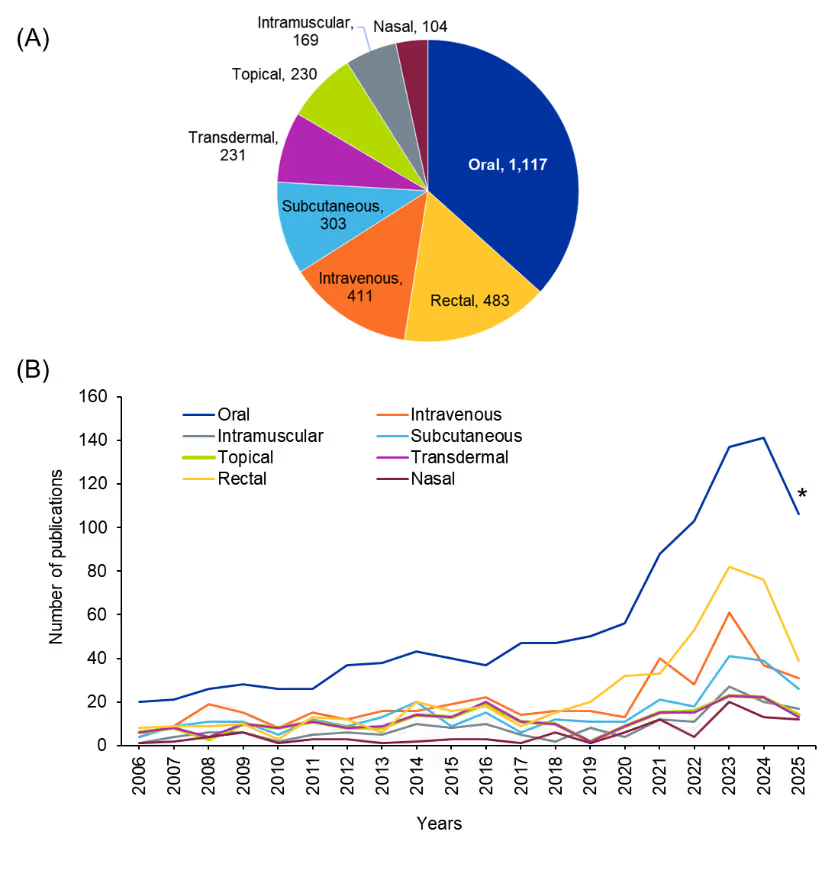
我们对环肽数据集的分析揭示了文献中探索不同给药途径的明显趋势。总体而言,口服途径在这一领域占据主导地位,在出版物中占比最高(见图 10),且在过去十年中呈现出显著且持续的增长态势。这一趋势反映了人们日益重视改善环肽的口服生物利用度和稳定性,而由于环肽的分子大小和极性,该领域在历史上一直被认为极具挑战性。相比之下,包括直肠、静脉注射、皮下注射、透皮、局部、肌肉注射和鼻腔给药在内的其他途径,其代表性则要低得多,且随时间推移,相关出版物数量保持相对平稳。

Figure 10: Two-panel figure showing cyclic peptide publications by route of administration. Panel A is a bar chart: oral delivery accounts for the largest share by a substantial margin, with all other routes representing much smaller proportions. Panel B shows year-wise trends by route; oral delivery displays a sharp sustained rise over the past decade while other routes remain relatively flat.

图 10: (A) 环肽相关出版物(期刊和专利)的分布情况,以及 (B) 基于给药途径的年度趋势。*2025 年数据截至 8 月,为部分数据。来源:CAS Content CollectionTM。

[H3]: 环肽口服递送的主要挑战 

环肽口服生物利用度低源于多种相互关联的因素,包括物理化学限制、胃肠道 (GI) 生物学特性、酶降解、主动外排和首过代谢,这些因素导致其口服吸收率低且不稳定:

  1. 物理化学限制: 大多数环肽具有高分子量(通常 >500 Da)、较大的极性表面积以及众多的氢键供体和受体,这违反了常规的口服药物设计规则,例如 利平斯基五规则(Lipinski’s Rule of Five) 以及 韦伯标准(Veber’s criteria)。这些性质限制了被动膜渗透,而这是口服吸收的关键要求。 

环化可以降低构象柔性,并通过分子内氢键掩蔽极性基团,从而提高蛋白水解稳定性,有时还能改善渗透性。然而,残留的极性、分子大小和过度的刚性仍然阻碍了跨细胞扩散和细胞旁路转运。在水溶性(用于在胃肠道液体中溶解)和亲脂性(用于膜分配)之间取得平衡,仍然是制剂开发的一大挑战。这些物理化学障碍是导致低 渗透性 的根本原因,这种现象在 体外 模型(如 Caco-2 细胞)和 体内 研究中均有观察。  

  1. 酶促降解与化学不稳定性: 消化道和刷状缘含有丰富的蛋白酶(胃蛋白酶、胰蛋白酶、糜蛋白酶、刷状缘肽酶)以及酸性/碱性微环境,这些环境会裂解肽键或修饰不稳定的侧链。虽然环化通常能提高相对于线性肽的抗蛋白酶能力,但 许多环状骨架 仍然存在易受攻击的连接位点或暴露于溶剂中的残基,从而易受酶的攻击。此外,pH 依赖性化学反应(如脱酰胺、差向异构化)会进一步减少到达吸收表面的完整药物比例。  
  1. 黏液屏障与上皮结构: 覆盖在上皮表面的黏液凝胶通过捕获或减缓与黏蛋白相互作用的分子(尤其是大型、带电或疏水性肽)的扩散,起到屏障作用,从而降低了它们在上皮表面的有效浓度。研究表明,环孢素 A 等环肽可以使 成胶黏蛋白 (MUC2、MUC5AC、MUC5B)发生聚集,进一步阻碍其扩散。 

在黏液层之外,紧密连接将细胞旁路转运限制在小分子溶质(通常 <500 Da),实际上排除了大多数环肽。这些连接形成了一种选择性渗透屏障,阻断了大分子和肽类在细胞间穿过。针对大型环状骨架的专用摄取转运体非常罕见。因此,环肽主要依赖跨细胞被动扩散或受体/凝集素介导的内吞作用,而这些过程通常效率低下。  

  1. 主动外排与首过代谢: 许多肽类和大环骨架是 P-糖蛋白 (P-gp) 和多药耐药蛋白 (MRPs) 等外排泵的底物,这些外排泵会将它们主动转运回肠腔,从而降低净吸收并限制口服生物利用度。即使肽类被肠上皮细胞吸收,它们也可能在细胞内酶和肝酶的作用下发生降解,导致大量的首过代谢损失,并造成个体间全身暴露量的差异。 

环孢素 A 作为口服环肽的经典案例,阐明了 制剂策略 (如微乳、脂质体、环糊精复合物)以及与 P-gp 等转运蛋白的相互作用,如何导致不同患者群体和产品类型之间生物利用度的巨大差异。

  1. 药代动力学变异性与临床意义: 溶出度差异、胃肠道转运、进食/禁食状态、微生物组相互作用以及转运蛋白/酶表达的综合影响,导致 不稳定的药代动力学 (PK) 特征 ,这在许多口服环肽中均有体现。较低的绝对生物利用度通常需要大剂量口服或采用肠胃外给药替代方案,这不仅增加了成本,也降低了患者的用药便利性。 

[H3]: 克服口服递送挑战的策略  

为了将环肽转化为实用的口服疗法,当代策略在三个互补层面展开:(1) 通过分子工程提高内在渗透性和稳定性;(2) 通过制剂和辅料策略保护肽类并将其递送至吸收部位;(3) 通过设备和平台层面的创新绕过或主动跨越生理屏障。跨层面的整合,即“分子 + 制剂 + 设备”,是项目成功的关键。 

1. 分子与化学设计:

a. 主链修饰与非天然残基: 通过 N-甲基化、引入 D-氨基酸、β-氨基酸以及拟肽连接子(如氮杂肽、酰胺等排体)等化学修饰,可以减少氢键供体并降低蛋白水解敏感性,从而增强膜渗透性和代谢稳定性。例如,在 生长抑素 类似物中引入 D-氨基酸可提高其稳定性和延长半衰期。N-甲基化已被用于开发如去氨加压素(DDAVP,一种合成的加压素)等肽类药物,该药物表现出更高的稳定性和抗利尿活性。将 N-甲基化与首尾环化相结合,已成功开发出口服吸收特征得到改善的肽类药物。我们在图 7 中的分析也显示了这两者在口服给药途径中的重要性。  

b. 脂质化与前药: 脂质化是指将酰基或烷基脂质链化学连接至肽类,以增强其两亲性,该方法被广泛用于改善药代动力学和药效学性质。近期一项 研究 展示了源自 Cx43 C 端区域的环状脂质化肽的设计与合成,旨在抑制半通道活性并靶向心脏内皮。前药策略涉及将肽类化学修饰为非活性形式,在吸收后转化为活性药物。该方法改善了亲脂性、膜渗透性和代谢稳定性等关键性质。常见的修饰包括通过酯化掩蔽极性基团、改变酰胺键以规避酶促降解,以及连接可裂解的前体部分以辅助转运,并在摄取后通过酶促或化学方式激活。 

c. 变色龙设计与分子内氢键: 提高环肽口服生物利用度的一种有效策略是设计其“变色龙”行为,即分子根据环境改变构象的能力。在水性条件下,此类肽会暴露极性基团以保持溶解度;而在脂质膜等低极性环境中,它们会折叠形成分子内氢键,从而有效掩蔽极性官能团,促进跨膜被动扩散。近期的分子动力学研究表明,环肽可以在脂质双分子层等极性/非极性界面处,在开放(可溶)和闭合(膜渗透)构象之间转换。这种构象 适应性 对于跨越细胞膜至关重要,并正日益被纳入具有口服生物利用度的大环化合物的合理设计框架中。

d. 人工智能与计算预测: 近期专门用于预测环肽膜渗透性和变色龙行为的机器学习工具(如 CycPeptMP 及其他人工智能模型)加速了具有良好口服吸收性质序列的识别,实现了合成前的文库规模预筛选。这些计算进展正在迅速缩短发现周期,并聚焦药物化学研究工作。 


2. 制剂与辅料策略:


a. 脂质基系统: 自乳化药物递送系统 (SEDDS) are isotropic mixtures of oil, surfactant/co-surfactant and solvent/co-solvent that spontaneously emulsify when diluted in aqueous fluids. Their renewed potential for oral peptides has emerged from a set of recent studies demonstrating that peptides could dissolve in the oil phase using the principle of hydrophobic ion pairing (HIP) through which peptide lipophilicity could be increased. Lipid-based nanoparticles, including liposomes, solid lipid nanoparticles (SLNs), and nanostructured lipid carriers (NLCs), offer another approach to peptide delivery. They improve solubilization, stabilize apolar cyclic peptides, and promote lymphatic transport, proven in the commercialization of cyclosporine (Neoral®) and continually applied to newer macrocycles. 

b. Polymeric nanoparticles and mucoadhesives: Polymeric nanoparticles — commonly made from biodegradable and biocompatible polymers such as poly lactic-co-glycolic acid (PLGA), polylactic acid (PLA), chitosan, polyhydroxyalkanoates (PHAs), and thiolated polymer systems — can encapsulate peptides within their matrix or adsorb them onto their surface. This capability shields them from luminal enzymes, enables controlled release, and increases residence time via mucoadhesion.  

Chitosan derivatives can also transiently modulate tight junctions to enhance paracellular flux. Safety and reversibility of permeation modulation are critical concerns. The pre-activated thiolated chitosan nanoparticles loaded with octreotide increased systemic exposure and sustained the hypoglycaemic effect in rats.  

c. Enteric and pH-responsive coatings: Enteric polymers shield peptides from gastric acid and release them in the intestine where absorption potential is greater. Smart polymers that release payloads in target intestinal segments further refine exposure windows and reduce premature degradation. 

d. Co-formulation with protease inhibitors and permeation enhancers: Co-administration of enzyme inhibitors is used to protect peptides from degradation in the GI tract by temporarily inhibiting digestive enzymes like trypsin and chymotrypsin. Agents such as aprotinin, soybean trypsin inhibitor, and bacitracin have shown enhanced peptide absorption in preclinical studies. However, concerns around safety, interference with normal digestion, and regulatory challenges limit their clinical application. 

Permeation enhancers temporarily increase intestinal epithelial permeability, enabling absorption of peptides with poor membrane permeability. They act by opening tight junctions (enhancing paracellular transport), disrupting cell membranes (facilitating transcellular uptake), and inhibiting efflux transporters to boost intracellular drug levels. A notable clinical example is MYCAPSSA® (octreotide), approved by the FDA in June 2020. It uses Transient Permeation Enhancer (TPE®) technology, an enteric-coated capsule containing an oily suspension of octreotide and sodium caprylate, which transiently opens tight junctions to improve absorption. 

3. Device- and platform-level innovations:

a. Ingestible microneedle/biologic devices: A new generation of ingestible devices is redefining oral delivery by physically bypassing traditional absorption barriers and enabling direct translocation of biologics across the GI mucosa. The self-orienting millimeter-scale applicator (SOMA) has demonstrated proof-of-concept for gastric mucosal injection of macromolecules, offering a novel route for systemic delivery without penetrating the stomach wall. 

Similarly, Rani Therapeutics’ RaniPill™ platform, an ingestible microneedle capsule, has progressed toward clinical evaluation, supported by promising preclinical and early human data. The LUMI device unfolds in the intestine to deliver drug-loaded microneedles, achieving over 10% bioavailability in pigs without tissue injury. 

In a recent study in a swine model, liquid-injecting SOMA (L-SOMA) achieved plasma drug levels comparable to subcutaneous injections within 30 min and up to 80% bioavailability in a swine model. A novel self-unfolding, proximity-enabling device demonstrated enhanced oral delivery of macromolecules like insulin and nisin in rats and pigs, achieving up to 12-fold and 4-fold increases in absorption, respectively. 

These platforms can achieve systemic exposure levels comparable to parenteral administration for select macromolecules. Their ability to deliver impermeable peptides, despite extensive chemical and formulation optimization, marks a paradigm shift in oral biologic delivery. While further validation is needed for consistent targeting and long-term safety, these technologies represent a transformative step toward overcoming the bioavailability challenges of cyclic peptides. 

b. High-velocity and convective delivery capsules: Emerging platforms that employ mechanical or fluidic forces to transiently penetrate or permeate intestinal tissue (e.g., high-velocity jet capsules, expanding structures) are under development and show promise to deliver intact peptide doses to the submucosa, reducing enzymatic exposure.


c. Transporter exploitation and biomimetic conjugation: Conjugating peptides to molecular moieties recognized by endogenous intestinal transporters (bile acids, dipeptide motifs) can enable receptor- or carrier-mediated uptake. This strategy leverages host physiology for active uptake and is being explored in preclinical programs.

Experience shows no single tactic suffices for all cyclic peptides. Rather, integrated solutions, combining rational sequence design (N-methylation, noncanonical residues), predictive AI selection, protective/targeted formulations (lipids, nanoparticles, enteric coatings), and, where necessary, device-based delivery, produce the best chance of attaining clinically meaningful oral bioavailability. 

[H2]: The clinical landscape of cyclic peptides

Cyclic peptide therapeutics demonstrate significant clinical relevance with regulatory approvals spanning over seven decades. Early approvals (1940s–1970s) were predominantly antibacterial agents such as bacitracin, polymyxin B, and vancomycin, administered via intravenous or topical routes. Notably, several compounds from this era utilize thioether bonds as key structural elements, including bacitracin, cyclosporine, and romidepsin., which contribute to their conformational stability and biological activity.

Lipidation and glycosylation modifications have been strategically employed in modern antibiotics such as dalbavancin and oritavancin, as well as selected immunomodulators, to improve pharmacokinetic properties including half-life extension and enhanced tissue penetration. Another important and frequent modification is N-methylation which can modify the conformation, hydrogen bonding potential, and lipophilicity of cyclic peptides, enhancing their membrane permeability and oral bioavailability. Several approved drugs like cyclosporin, vancomycin, daptomycin, and romidepsin have methylation modification. 

Disulfide bond formation represents a critical structural feature across multiple therapeutic classes, with 23 of the 52 approved compounds containing intramolecular disulfide bridges that provide conformational constraint and proteolytic stability. Our analysis indicates that disulfide bonds continue to be an important feature in recently studied cyclic peptides (see Figure 5). The approved cyclic peptides featuring disulfide bonds include hormone analogs such as oxytocin, vasopressin, and calcitonin derivatives, as well as somatostatin analogs like octreotide and lanreotide. In contrast, thioether bonds are less prevalent but strategically important in specific compound classes, particularly found in romidepsin and cyclosporine. 

Recent approvals (2020–2023) include innovative therapeutics for obesity (setmelanotide), myasthenia gravis (zilucoplan), and invasive fungal infections (rezafungin), demonstrating the continued versatility of cyclic peptides in addressing unmet medical needs. Contemporary developments have witnessed a surge in highly engineered peptides targeting complex pathophysiology including autoimmune disorders, oncology, and metabolic syndromes. The molecular weight range has expanded dramatically from approximately 540 g/mol (romidepsin) to >43,000 g/mol (pegcetacoplan), reflecting significant advances in bioconjugation technologies and structure-based drug design. 

The therapeutic landscape of cyclic peptides continues to see remarkable growth, and there are many promising candidates currently advancing through clinical development:

[H3]: Oncology indications

  • Certepetide (LSTA-1), a cyclic peptide (989.09 g/mol), simultaneously targets αv-integrins and neuropilin-1 (NRP-1), both of which are key mediators of tumor angiogenesis and metastasis. Developed by Certa Therapeutics, it is currently in Phase II trials (NCT05042128) for metastatic pancreatic ductal adenocarcinoma.
  • Paluratide (LUNA18), a macrocyclic compound (1,437.68 g/mol) developed by Chugai Pharmaceutical, disrupts RAS–SOS1 interactions to target KRAS-mutant solid tumors, a historically undruggable pathway. It is under Phase I evaluation (NCT05012618) as an oral monotherapy and in combination with cetuximab, positioning it as a potential first-in-class oral RAS-targeted therapy.
  • VT1021, a cyclic peptide (638.76 g/mol) developed by Vigeo Therapeutics, targets the CD36/CD47 immune checkpoint axis to counteract tumor immune evasion in glioblastoma. It is currently in Phase III trials (NCT03970447), addressing the critical need for blood-brain barrier-penetrant therapies that modulate glioblastoma's immunosuppressive microenvironment.
  • In the realm of antibody drug conjugates, Zelenectide pevedotin (BT8009), a bicyclic peptide-drug conjugate (~4,171 g/mol) developed by Bicycle Therapeutics, targets Nectin-4 expressing tumors by combining the selectivity of cyclic peptides with cytotoxic potency. It is being evaluated in a Phase III trial (NCT06225596) for urothelial cancer and a Phase II trial (NCT04561362) for Nectin-4 expressing advanced malignancies.

[H3]: Non-oncology indications

  • AZP-3813 is a cyclic peptide growth hormone receptor antagonist in Phase I development for acromegaly, offering a potential alternative to somatostatin analogs via subcutaneous administration with improved selectivity and reduced side effects.
  • Icotrokinra, an oral cyclic peptide (~1,900 g/mol) developed by Johnson & Johnson and Protagonist Therapeutics, targets the IL-23 receptor to treat immune-mediated diseases including psoriasis and ulcerative colitis. It is in Phase III trials under the ICONIC program for moderate-to-severe psoriatic arthritis (NCT06878404) and ulcerative colitis (NCT07196748), offering a convenient oral alternative to injectable biologics.
  • MK-0616, a PCSK9-inhibiting cyclic peptide (1,722.09 g/mol) developed by Merck, has reached Phase III trials (NCT06492291) as an oral treatment for hypercholesterolemia. It represents a significant advance in oral peptide delivery, potentially matching the efficacy of injectable PCSK9 inhibitors with the convenience of oral dosing.
  • PL8177, a gut-restricted oral cyclic peptide (996.13 g/mol) developed by Palatin Technologies, targets the melanocortin-1 receptor for active ulcerative colitis and is currently in Phase II trials (NCT05466890).
  • PL9643, also from Palatin Technologies, is a cyclic peptide targeting multiple melanocortin receptors (MC1R/3R/4R/5R) for dry eye disease via ophthalmic delivery, currently in Phase II trials (NCT05201170).
  • Rusfertide (PTG-300), a cyclic peptide (2,441.96 g/mol) developed by Protagonist Therapeutics, targets the hepcidin pathway for polycythemia vera treatment via subcutaneous delivery. It has advanced to Phase III trials (NCT05210790) as a mechanistically novel alternative to traditional phlebotomy-based treatments.
  • Solnatide (AP301), a cyclic peptide (1,923.10 g/mol) developed by APEPTICO, targets epithelial sodium channels (ENaC) via inhaled delivery to promote alveolar fluid clearance in acute respiratory distress syndrome (ARDS). It is currently in Phase II trials (NCT03567577), addressing a critical care indication with few effective existing treatments.

These eleven cyclic peptides demonstrate the maturation of peptide therapeutics as a drug class, with successful applications across oncology, inflammatory conditions, hematology, critical care, endocrinology, and cardiovascular medicine. The diversity of targets, delivery systems, and therapeutic applications highlights the versatility of cyclic peptide scaffolds in addressing complex medical challenges.

[H2]: Future directions for cyclic peptides

Cyclic peptides have emerged as a transformative modality in drug development, bridging the gap between small molecules and biologics. Their unique structural features, conformational rigidity, enhanced proteolytic stability, and high target specificity, make them ideal candidates for addressing previously "undruggable" targets. Nevertheless, despite notable successes, many challenges remain and, with them, many exciting opportunities for future research:

  1. Enhancing oral bioavailability and cell permeability: One of the most critical challenges for cyclic peptide therapeutics remains achieving oral bioavailability and cellular uptake, particularly for intracellular targets. Structural modifications are at the forefront of permeability enhancement. N-methylation of backbone amides has proven effective in reducing polar surface area while maintaining target affinity, as demonstrated by successful oral cyclic peptides like cyclosporine. Incorporation of non-canonical amino acids, including D-amino acids and β-amino acids, not only enhances permeability but also provides proteolytic resistance. Lipidation strategies, exemplified by semaglutide's fatty acid modification, have shown promise in improving both membrane permeability and pharmacokinetic profiles. 

Formulation approaches are equally important. Intestinal permeation enhancers such as sodium caprate and SNAC (sodium N-[8-(2-hydroxybenzoyl)amino]caprylate) have enabled oral delivery of peptides previously limited to parenteral administration. Nanoparticle encapsulation systems, including solid lipid nanoparticles and polymeric micelles, protect cyclic peptides from enzymatic degradation while facilitating transcellular transport. Microneedle patches represent an alternative transdermal delivery route that bypasses gastrointestinal barriers entirely. Additionally, designing cyclic peptides for active transport via peptide transporters (PepT1, PepT2) or exploiting transcytosis pathways can significantly improve oral bioavailability. These innovations collectively promise to transition cyclic peptides from injectable formulations to patient-friendly oral therapeutics within the coming decade. 

  1. De novo design and AI-driven discovery: 环肽发现的格局正迅速演变,从天然产物修饰转向由人工智能驱动的计算从头设计。正如 Heinis 及其同事 所强调的,“基于合理设计和体外进化的强大新技术,使得针对自然界无法提供解决方案的靶点,能够从头开发环肽配体。”生成式人工智能模型,如变分自编码器 (VAE) 和生成对抗网络 (GAN),已能够设计出具有优化性质的环肽序列。最近,CycleDesigner 和 RFpeptides 等扩散模型通过学习成功肽结构的分布,在生成新型大环支架方面展现出巨大潜力。 

包括 CCPep 和 PepThink-R1 在内的强化学习 (RL) 框架,可同时优化多种性质,如平衡亲和力、选择性、稳定性和渗透性。PepFlow(流匹配生成模型)、CycPeptMPNN(用于环肽的图神经网络)、MultiCycPermea(多模态渗透性预测)和 CyclicChamp(基于能量的启发式设计)等专业平台,解决了环闭合兼容性、构象偏好和膜渗透性等独特挑战。 

结构预测工具也取得了进展: AlphaFold3 及其衍生版本(如 AfCycDesign)现在能够以原子级精度模拟含有非天然氨基酸和二硫键的环肽。Rosetta、Des3PI 和 cyclicpeptide Python 软件包将结构建模与预测分析相结合,用于早期阶段的性质分析。NCPepFold 等集成建模套件和机器学习引导工具可预测最佳环化策略和环构象,从而加速从设计到验证的流程。 

通过将这些人工智能驱动的平台与自动化合成和筛选相结合,该领域有望大幅缩短发现周期,将环肽开发时间从数年缩短至数月,特别是针对以往被认为难以攻克的靶点。 

  1. 扩展可成药蛋白质组: 环肽正在助力攻克以往被认为不可成药的蛋白质靶点,如转录因子、支架蛋白和固有无序蛋白。这些分子能够结合浅层或动态表面,诱导构象变化,并 破坏蛋白质-蛋白质相互作用 (PPI),这些相互作用对疾病通路至关重要。显著的成功案例包括抑制 MDM2-p53 相互作用、调节 BCL-2 家族蛋白以及靶向 RAS 效应复合物的环肽,这些靶点曾被认为难以攻克。 

基于片段和结构引导的设计进展,结合 mRNA 展示和噬菌体展示等展示技术,促进了强效环状结合物的发现。此外,将 共价 弹头整合到环状框架中,增强了特异性并扩展了靶向能力,使环肽成为下一代药物发现中的多功能工具。 

  1. 新型环化和稳定化技术: 合成化学的进步使得能够精确控制环肽的结构和稳定性,从而推动了药物设计的创新。正交环化 策略,包括首尾环化、侧链间环化(如二硫键、内酰胺键、烃基订书钉)以及主链环化,增强了构象刚性和蛋白水解抗性。 

蓝细菌大环化酶、分裂内含肽系统和分选酶介导的连接等酶促方法,可在温和条件下实现位点特异性和无痕环化。CuAAC、SPAAC 和四嗪-烯烃环加成等点击化学方法提供了生物正交且快速的大环形成途径。钌催化的闭环复分解和钯催化的交叉偶联等金属介导技术,引入了结构刚性并实现了芳香族连接子的引入。 

  1. 偶联与多功能平台: 环肽已成为多功能治疗平台的通用支架,其应用范围已超越传统的单一药物模式。肽偶联药物(PDC)将靶向特异性与细胞毒性载荷相结合,利用可裂解连接子(如腙、二硫键、组织蛋白酶敏感连接子)或不可裂解连接子来提高治疗指数。 

双特异性形式,包括 肽类双特异性抗体,能够同时结合多个靶点,在免疫治疗和耐药性缓解方面展现出前景。纳米颗粒偶联策略利用 RGD 等环肽进行整合素靶向递送,从而改善生物分布并减少脱靶效应。在 PROTAC 应用中,环肽已被用于 改善 PROTAC 的靶向性,促进靶向蛋白质降解并扩大治疗范围。 

诊疗一体化 平台将环肽与成像剂(如 PET 示踪剂、荧光团、MRI 造影剂)相结合,实现对药物分布和反应的实时监测。这些多功能策略使环肽成为下一代精准治疗的核心组成部分。  

  1. 新兴治疗领域: 环肽有望扩展到新的领域,包括神经系统疾病,它们可以靶向与神经退行性疾病相关的细胞内蛋白质-蛋白质相互作用(PPI)。它们在代谢性疾病中的潜力也在不断增长,口服生物利用度高的环肽正被探索用于治疗糖尿病和肥胖症等疾病。在罕见病和基因调控领域,环肽正成为 RNA 结合蛋白和表观遗传调节因子的调节剂。此外,其结构的多功能性使其成为对抗抗菌素耐药性的有力候选者,提供了能够破坏细菌毒力途径且不会诱导耐药机制的新型支架。 

环肽已成为当前药物研发的重要焦点,因为它们在生物制剂的选择性和小分子的稳定性之间取得了平衡。合成、筛选技术和设计策略的最新进展,使得生成多样化且更具类药性的环肽结构变得更加容易。这一进展在过去几年中发表的论文和专利数量的增长中得到了清晰体现,表明学术界和工业界的兴趣正在稳步增加。

展望未来,随着新工具的出现以帮助解决生物利用度、生产制造和临床转化方面的剩余挑战,该领域可能会进一步扩大。总体而言,环肽正成为一种实用且通用的治疗模式,随着技术的成熟,其持续增长的潜力显而易见。

下载报告

Related CAS Insights

ACE2:靶向疾病发病机制中的潜在重要受体

ACS 分子胶和靶向蛋白降解网络研讨会

AI 药物发现:评估首批进入人体临床试验阶段的 AI 设计候选药物

Gain new perspectives for faster progress directly to your inbox.