


A mecanoquímica — o processo em que forças mecânicas como trituração, moagem ou cisalhamento impulsionam transformações químicas — é tão antiga quanto o almofariz e o pistilo. No entanto, a disciplina está longe de ser antiquada. As reações mecanoquímicas são geralmente realizadas sem solventes, oferecendo uma abordagem mais verde para a síntese.
Operando sob condições de estado sólido ou quase sólido, a mecanoquímica também possibilita transformações químicas totalmente novas. Em muitos casos, essas reações seriam inacessíveis por meio de métodos baseados em solução. À medida que a química verde ganha força, este método torna-se uma forma cada vez mais importante de reduzir o desperdício e melhorar a segurança no desenvolvimento de produtos químicos, farmacêuticos e muito mais.
O aumento do interesse é evidente nas tendências de publicação, conforme constatamos ao examinar a CAS Content CollectionTM, o maior repositório de informações científicas com curadoria humana, acessível através do CAS IP Finder, powered by STNTM (veja a Figura 1).
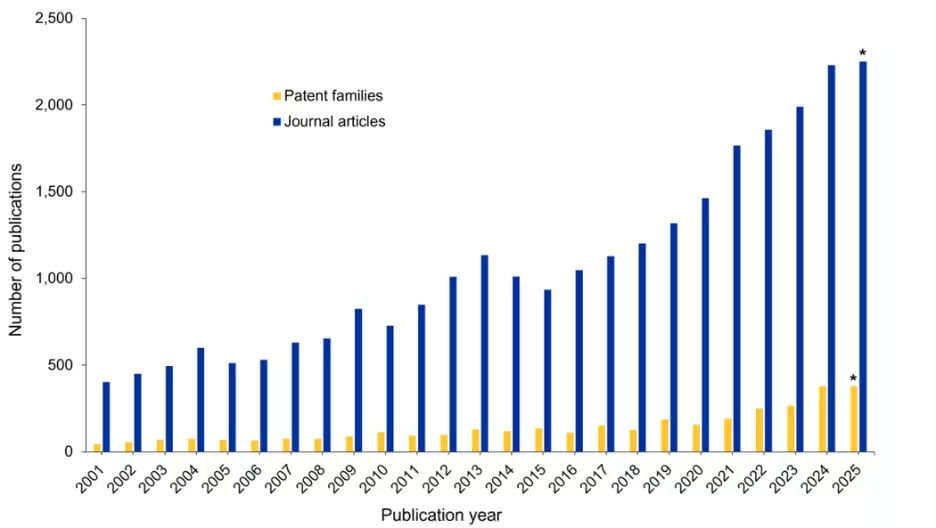
Um aumento constante nos artigos de periódicos destaca o crescente apelo acadêmico da mecanoquímica, impulsionado pelo interesse em pesquisas químicas sustentáveis e ambientalmente responsáveis. Em contraste, o número relativamente baixo de pedidos de patentes indica uma comercialização limitada, provavelmente devido aos desafios atuais em entender como a trituração mecânica ativa diferentes grupos moleculares para reações químicas. Vamos explorar como o campo está evoluindo e seu papel no campo mais amplo da química verde:
Pesquisadores de materiais podem usar o CAS SciFinder para pesquisar na literatura de ciência dos materiais, identificando relações estrutura-propriedade e métodos de síntese que apoiam a inovação.
Como funciona a mecanoquímica
A escolha da técnica para uma reação mecanoquímica impacta diretamente a entrada de energia, a eficiência da reação, a escalabilidade e a sustentabilidade, tornando-a um determinante crítico do desempenho do processo. Nossa análise revela que a moagem é a técnica mais prevalente para reações mecanoquímicas (veja a Figura 2).
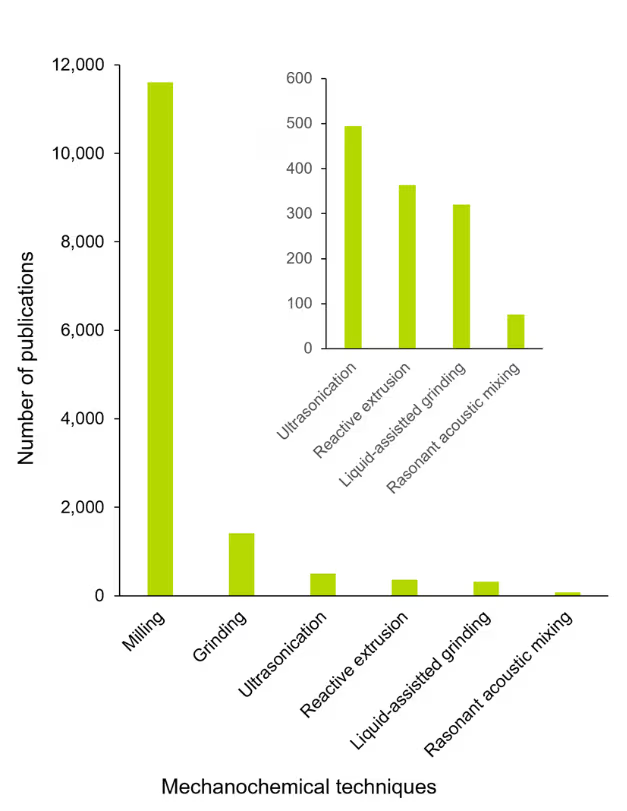
Esta dominância é atribuída à capacidade da moagem de controlar precisamente os parâmetros de reação, como a frequência de moagem e a proporção entre o peso do meio e da amostra, dentro de um sistema fechado, aumentando assim a eficiência, a versatilidade e a adequação para inúmeras reações e aplicações de pesquisa.
Os designs dos moinhos baseiam-se em seus padrões de movimento, sendo os moinhos agitadores e planetários os mais utilizados. Os moinhos agitadores são normalmente usados para pequenas amostras, onde os frascos de moagem oscilam para frente e para trás em uma frequência que determina a intensidade da moagem. Moinhos planetários giram os frascos em torno de um eixo central enquanto giram em seu próprio eixo, gerando fortes forças centrífugas que imitam a gravidade em moinhos de rolos industriais e fornecem um link direto para o aumento de escala.
A próxima técnica mais comum é a trituração, que geralmente se refere a um processo mecânico mais simples, aberto à atmosfera, que oferece controle limitado sobre os parâmetros de reação. No entanto, esta é a abordagem mais barata e simples e pode ser imitada em escala de gramas com um simples almofariz e pistilo.
A ultrassonicação utiliza ondas sonoras de alta frequência para impulsionar transformações químicas por meio de agitação eficiente, dissolução aprimorada, melhor transferência de massa e calor, e sonólise de reagentes via colapso cavitacional. Essas condições extremas localizadas são eficazes para reações heterogêneas, permitindo que ocorram sem aquecimento em massa. Isso torna a ultrassonicação um método versátil para promover reações sob condições gerais brandas.
Técnicas mecanoquímicas mais recentes apareceram em um número menor de publicações:
- A extrusão reativa, particularmente a extrusão de rosca dupla (TSE), oferece uma abordagem escalável e contínua para o processamento mecanoquímico, permitindo um controle preciso por meio do design do reator e da otimização de outras variáveis contínuas. Embora a síntese orgânica via TSE ainda esteja em seus estágios iniciais, seu potencial é cada vez mais reconhecido. A IUPAC identificou a extrusão reativa como uma das dez tecnologias emergentes na química com potencial para tornar nosso planeta mais sustentável.
- A moagem assistida por líquido (LAG) é uma técnica emergente que desempenha um papel crucial no sucesso da mecanoquímica. Ao introduzir uma pequena quantidade de líquido (aditivo líquido : peso dos reagentes η ≈ 0-1 μL/mg), a LAG melhora a mistura dos reagentes, acelera as taxas de reação, aumenta a seletividade e o rendimento, facilita a transferência de energia e possibilita ou direciona transformações que não são alcançáveis apenas pela moagem a seco. A manipulação de aditivos líquidos na LAG oferece um controle significativo sobre as reações mecanoquímicas. Além disso, a LAG é eficiente na triagem de compostos de inclusão, cocristais, polimorfos e na mecanoquímica orgânica. A moagem assistida por íons e líquidos (ILAG) , que evoluiu da LAG, incorpora uma pequena quantidade de sal (≤ 5 mol%) para ativar o sistema. Uma abordagem relacionada, porém distinta, é a moagem assistida por líquido iônico (IL-AG), que utiliza um líquido iônico como aditivo em vez de solventes ou sais convencionais.
- A mistura acústica por ressonância (RAM) utiliza energia acústica de baixa frequência para misturar e induzir reações sem a necessidade de meios de moagem ou solventes. A RAM utiliza um design de reator simplificado que minimiza o risco de contaminação. Ela encontrou aplicações em síntese orgânica e processos fotoquímicos, oferecendo uma abordagem limpa e eficiente para transformações mecanoquímicas.
Mecanoquímica e manufatura avançada em todos os setores
A mecanoquímica evoluiu para uma abordagem versátil com aplicações que abrangem múltiplos domínios. Analisamos dados de conceitos com base em códigos de classe e os categorizamos de acordo com suas respectivas aplicações (veja a Figura 3). Nossas descobertas indicam que a mecanoquímica é amplamente aplicada na ciência dos materiais, com contribuições significativas para o armazenamento de energia, eletrônica, aplicações ambientais, catálise e áreas biomédicas.
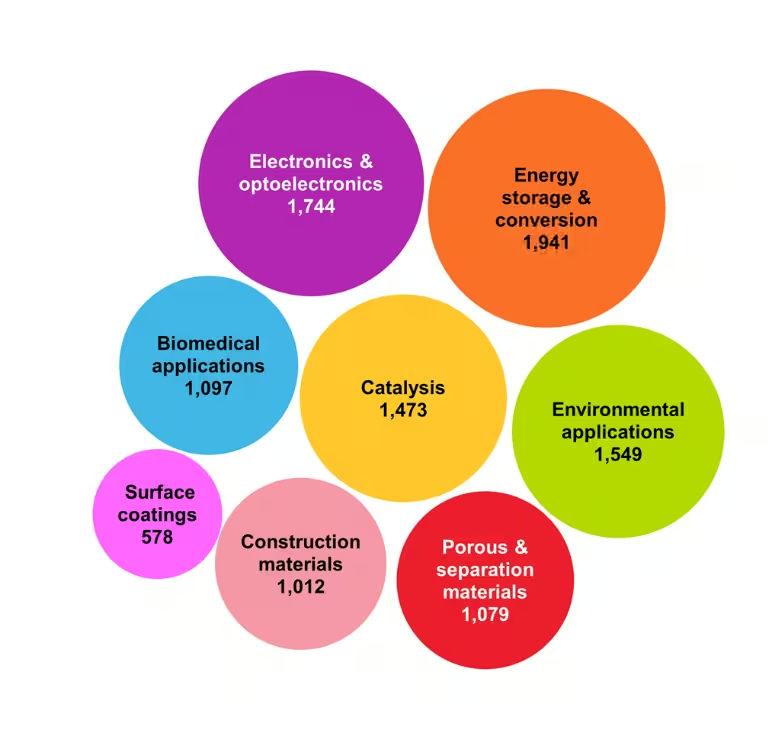
O predomínio da química de materiais decorre de sua adequação para síntese em estado sólido, processamento ecológico e design de materiais avançados. Além disso, o desenvolvimento histórico da mecanoquímica na engenharia mineral e de materiais concentrou infraestrutura e experiência nesses domínios.
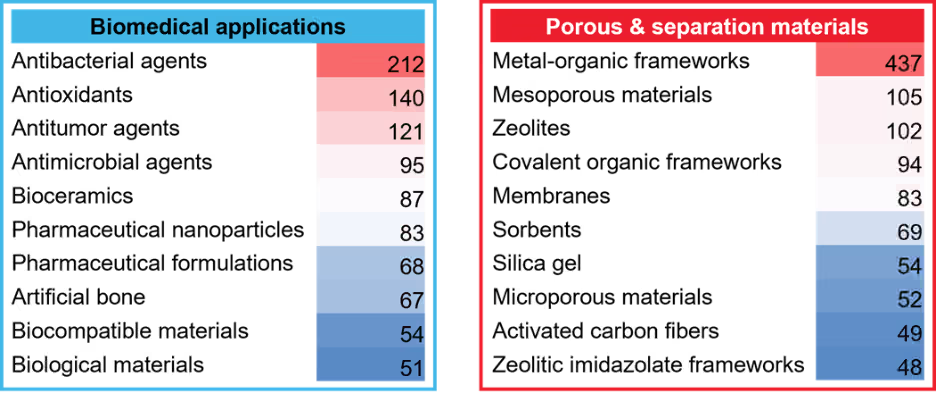
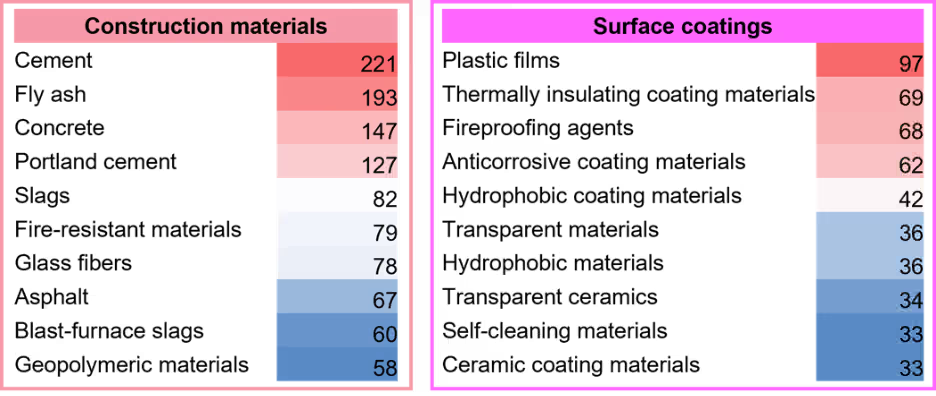
Realizamos uma análise aprofundada para obter insights abrangentes sobre cada área e identificamos os dez principais conceitos dentro de cada categoria (veja a Figura 4). Os eletrólitos sólidos surgiram como o foco dominante da mecanoquímica no armazenamento e conversão de energia, conforme evidenciado pelo maior número de publicações neste conceito. Essa tendência é provavelmente impulsionada pela crescente popularidade das baterias de estado sólido, que oferecem segurança, durabilidade, compatibilidade ambiental e densidade de energia excepcionalmente alta superiores.
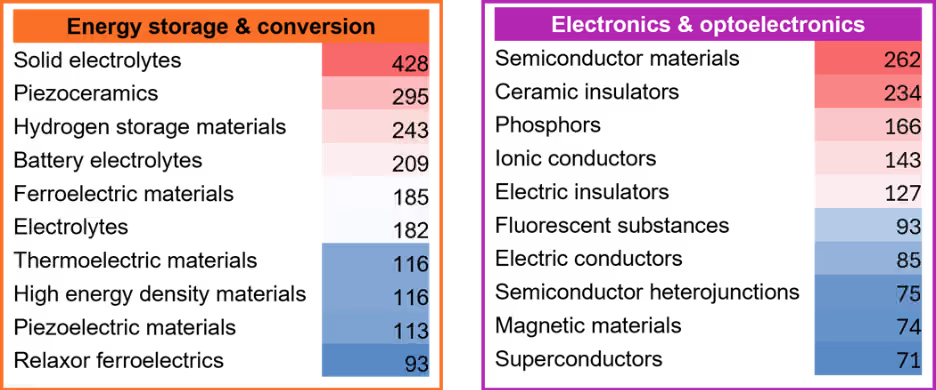
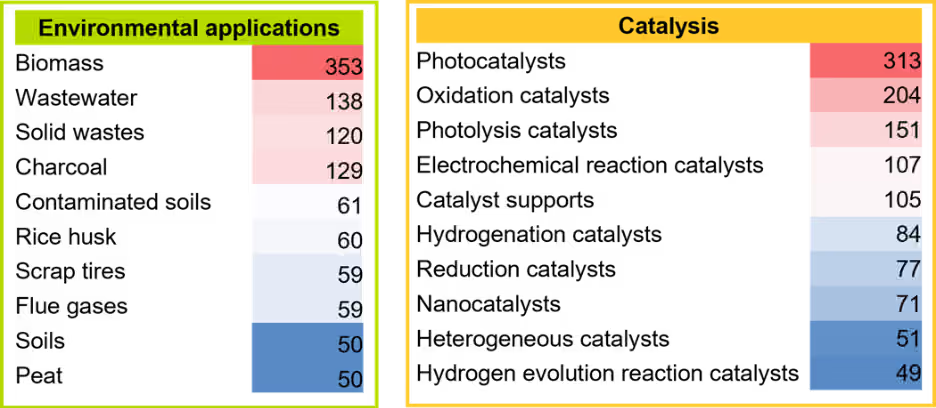

Semicondutores e isolantes cerâmicos são conceitos dominantes em eletrônica e optoeletrônica, pois ambos são indispensáveis para o desempenho, a miniaturização e a confiabilidade dos dispositivos. Eles permitem eletrônicos e optoeletrônicos de alta velocidade, alta eficiência e durabilidade, que são fundamentais para tecnologias modernas como smartphones, células solares e LEDs.
A biomassa é predominante em aplicações ambientais porque aborda muitos desafios de sustentabilidade, incluindo gestão de resíduos, produção de energia renovável e redução da pegada de carbono. A integração da mecanoquímica com a valorização e o processamento de biomassa aumenta ainda mais a sustentabilidade.
Nos últimos anos, a fotocatálise surgiu como uma área fundamental nos processos catalíticos devido à sua sustentabilidade e alta eficiência. Com base nisso, as reações mecano-fotocatalíticas atraíram um interesse científico significativo como um passo avançado em direção a tecnologias mais verdes, sendo agora reconhecidas como uma das abordagens catalíticas mais proeminentes dentro da mecanoquímica. Os processos mecanocatalíticos também desempenham um papel crucial na viabilização de diversas transformações orgânicas.
A mecanoquímica é revolucionária em aplicações biomédicas e na síntese de vários agentes terapêuticos. Isso inclui a formulação farmacêutica, que envolve controle de polimorfos, formação de cocristais e sistemas co-amorfos para aumentar a solubilidade e a estabilidade dos medicamentos. Além disso, a mecanoquímica apoia a nanomedicina ao produzir nanopartículas farmacêuticas funcionalizadas para a entrega direcionada de medicamentos.
Outro uso significativo da mecanoquímica reside no conceito de materiais porosos e de separação, com ênfase predominante em estruturas metal-orgânicas (MOFs). As MOFs distinguem-se pela sua combinação excepcional de alta porosidade, arquitetura ajustável e versatilidade química, tornando-as materiais muito procurados para diversas aplicações científicas e industriais. Elas podem ser sintetizadas em métodos de pote único (one-pot), tornando-as um alvo ideal para o desenvolvimento mecanoquímico por meio da redução de solventes.
A mecanoquímica também apresenta aplicações em materiais de construção e revestimentos de superfície, com foco predominante em cimento e filmes plásticos, respectivamente. Filmes plásticos e revestimentos por pulverização também podem ser gerados a partir de polímeros produzidos via pré-tratamento mecanoquímico de biomassa lignocelulósica.
Tornando a química orgânica mais sustentável
A mecanoquímica é uma das ferramentas modernas para a síntese aprimorada por tecnologia, promovendo a sinergia entre a química orgânica tradicional e inovações tecnológicas avançadas. A síntese orgânica tradicional baseia-se na dissolução de reagentes em solventes orgânicos para facilitar as reações, o que levanta a questão de saber se tais transformações podem ser alcançadas por meio de abordagens mecanoquímicas, eliminando assim grandes volumes de solvente.
Embora essa estratégia seja altamente desejável do ponto de vista da sustentabilidade, ela continua sendo um desafio porque a síntese orgânica está profundamente enraizada em técnicas de fase de solução que garantem precisão em nível molecular, estereo/quimioseletividade e estabilização. Esforços contínuos para superar essas limitações expandiram com sucesso o escopo da mecanoquímica para incluir inúmeras transformações orgânicas, como reações organocatalíticas e transformações catalisadas por metais, metátese de olefinas, ativação C─H, reações de acoplamento e reações de clique.
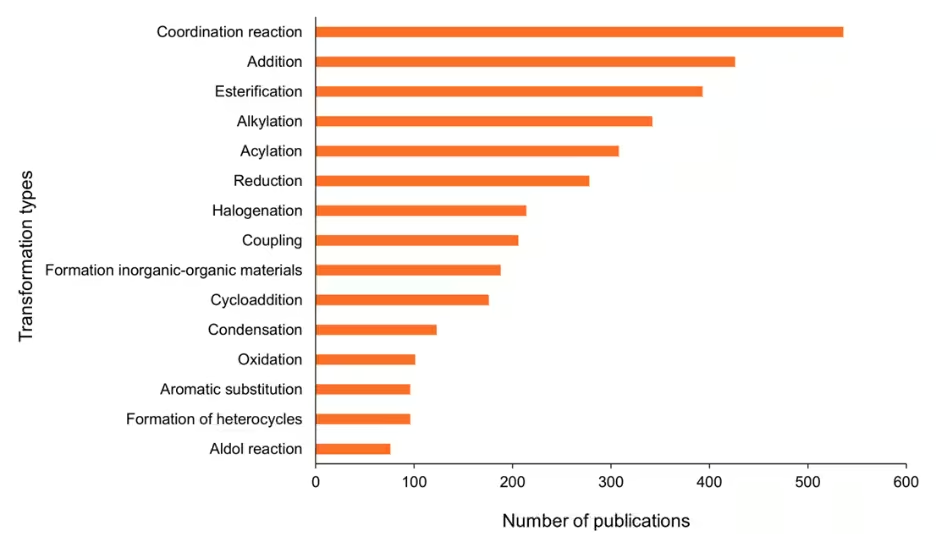
Usando o CAS SciFinder®, que agrega dados de química e ciências relacionadas de fontes globais, analisamos dados de reação e obtivemos insights sobre as tendências dos tipos de transformações que estão sendo realizadas atualmente com abordagens mecanoquímicas (veja a Figura 5).
Pesquisadores que exploram tendências semelhantes podem usar o CAS SciFinder para acessar recursos de busca baseados em IA para identificar padrões em dados de reações de química orgânica.
As reações de coordenação são o principal tipo de transformação, seguidas de perto pelas reações de adição, que incluem a adição de álcoois/aminas a aldeídos, a adição de Michael e a adição de organometálicos a ligações duplas ou triplas ativadas. Ambos os tipos de reação são inerentemente compatíveis com condições de estado sólido e se beneficiam da mistura íntima e da entrada de energia proporcionadas pela ativação mecânica.
Tipos de reação como esterificação, acilação e alquilação representam algumas das transformações de grupos funcionais mais comuns na síntese orgânica. A Figura 6 ilustra o crescimento anual dos dez principais tipos de reação, destacando um aumento consistente no número de reações conduzidas sob condições mecanoquímicas:
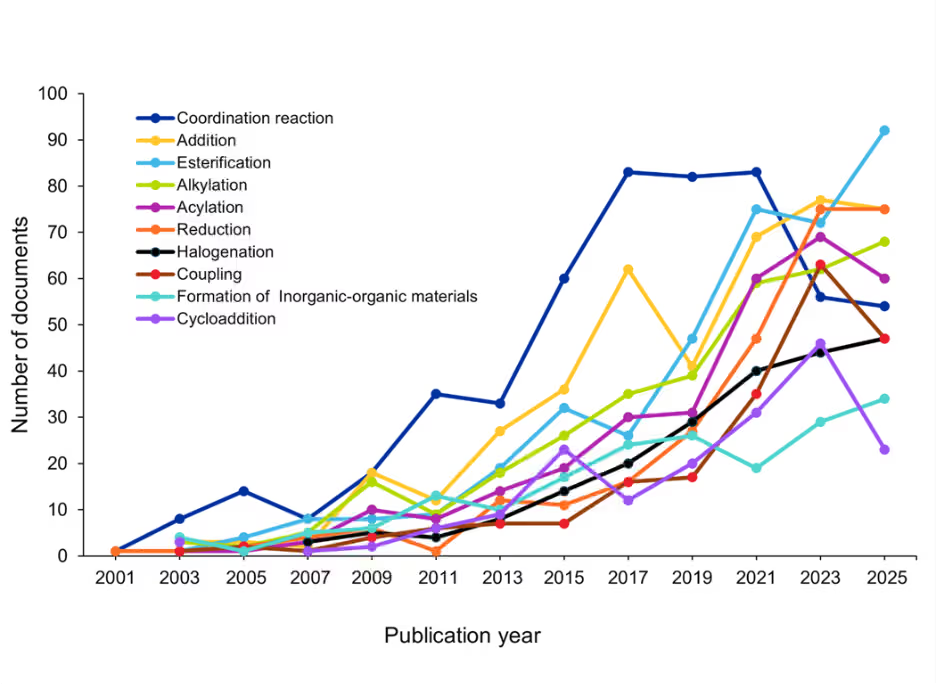
Figura 6: Crescimento dos dez principais tipos de reação. Fonte: CAS Content Collection.
A automação de processos é fundamental para escalar a mecanoquímica
A mecanoquímica é cada vez mais reconhecida como uma abordagem inovadora e livre de solventes para a síntese química. A disciplina ganhou ampla adoção em diversos campos, incluindo ciência dos materiais, química de polímeros, síntese orgânica e inorgânica e bioquímica. A mecanoquímica oferece benefícios abrangentes, mas superar os problemas de escalabilidade é essencial para traduzir seu potencial em sucesso comercial. Consequentemente, esforços estão em andamento para enfrentar esses desafios por meio de avanços na metodologia de reação e no desenvolvimento de tecnologia mecanoquímica.
Por exemplo, a mecanocatálise combina força mecânica e catálise para aumentar a eficiência energética e realizar reações fora do alcance dos métodos convencionais em fase de solução. Ela é igualmente impactante em vários domínios, incluindo síntese orgânica, desenvolvimento de materiais e polimerização. Como observado, a LAG é outra abordagem em alta que oferece uma maneira poderosa de estender a reatividade mecanoquímica, facilitando reações que, de outra forma, seriam impraticáveis em condições sem solventes. O processamento contínuo é a chave para alcançar a escalabilidade e a industrialização, com a mecanoquímica baseada em extrusão surgindo como uma solução fundamental. A integração da tecnologia TSE permitiu a execução em larga escala de muitas transformações mecanoquímicas.
Embora a mecanoquímica tenha alcançado sucesso considerável, uma compreensão abrangente de seus mecanismos de reação e fundamentos teóricos ainda está em desenvolvimento. Portanto, pesquisas focadas nessa direção são essenciais para o planejamento eficaz e a implementação bem-sucedida de processos mecanoquímicos. Além disso, a integração da IA pode auxiliar na automação e seleção de processos, abrindo caminho para uma produção mecanoquímica em escala industrial mais eficiente e economicamente viável.
Em essência, a mecanoquímica não é apenas uma tendência, mas uma mudança de paradigma em direção à produção química sustentável. Com pesquisa contínua e inovação tecnológica, ela está pronta para se tornar um processo industrial convencional, impulsionando o progresso na academia e na indústria.