
A coleção de dados científicos curada por humanos mais abrangente do mundo
A CAS Content Collection™ é curada por especialistas para transformar mais de 150 anos de pesquisa global em conhecimento harmonizado e pronto para IA, que impulsiona decisões mais rápidas e seguras para química, ciências da vida, materiais e muito mais.
A confiança dos principais inovadores do mundo




Explore os dados da CAS
Explore os tipos de dados abrangentes disponíveis na CAS, incluindo substâncias e reações químicas, bioatividade, ensaios clínicos, inteligência de patentes e muito mais.
Suas equipes de pesquisa querem avançar a ciência, não preparar dados.
Faça uma parceria com a CAS para eliminar os gargalos de dados que impedem o seu sucesso.


Conectando o conhecimento científico mundial
A CAS Content Collection é o maior repositório do mundo de dados científicos curados por humanos. Esteja você procurando um CAS Registry Number®, planejando uma síntese, conduzindo uma pesquisa de anterioridade ou treinando modelos de IA, você está aproveitando um século de curadoria especializada e rigor científico.
Veja como os cientistas do CAS fazem a curadoria do CAS Content Collection
Especialização humana em escala
Centenas de cientistas com doutorado curam a CAS Content Collection
Cobertura abrangente
150 anos de conhecimento em química, ciências da vida, materiais e engenharia
Estruturados para a descoberta
Dados harmonizados e interconectados que entregam insights humanos e impacto de IA
Dados da CAS em ação
Os dados da CAS impulsionam as plataformas nas quais cientistas, profissionais de PI e inovadores confiam para tomar decisões seguras, desde ferramentas de pesquisa abrangentes até plataformas de descoberta de medicamentos.
Explore as Soluções do CASSua IA é tão boa quanto seus dados
Plataformas de IA geral têm dificuldade em fornecer respostas científicas precisas e insights confiáveis porque carecem dos dados e do contexto necessários.
A IA com inteligência científica começa com uma base de dados sólida. Faça uma parceria com a CAS para obter dados e experiência em gestão de conhecimento científico especializado para acelerar seus projetos hoje e viabilizar um roteiro de IA para o futuro.
Saiba como a IA preparada para a ciência gera melhores resultados
O que torna os dados da CAS prontos para IA na ciência?
Alfabetização química e biológica
Os modelos de IA devem interpretar corretamente a nomenclatura IUPAC, a estereoquímica, as vias biológicas e os mecanismos de reação para gerar resultados confiáveis em domínios científicos complexos.
Relacionamentos estruturados
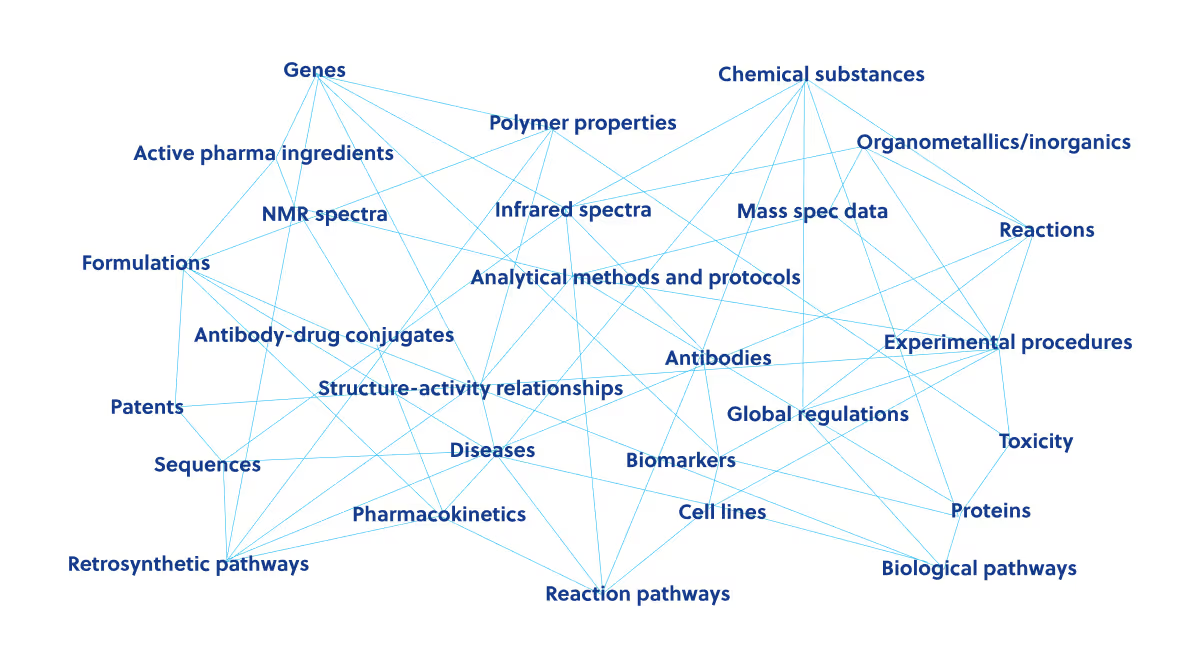
Estruturas de conhecimento que conectam substâncias, reações, doenças, alvos e patentes entre disciplinas fornecem contexto aos modelos, em vez de fatos isolados.
Validação especializada
Cientistas que corrigem estruturas químicas, esclarecem relações entre compostos e confirmam interações biológicas reduzem o risco de erros ocultos no treinamento de modelos.
Cobertura abrangente do domínio
Dados de treinamento profundos que abrangem química, biologia, ciência dos materiais e farmacologia ajudam os modelos a atuar em fluxos de trabalho de descoberta.
Proveniência rastreável
Links para literatura revisada por pares, patentes e outras fontes confiáveis com metodologia transparente tornam os resultados dos modelos mais fáceis de auditar, reproduzir e confiar.