执行摘要
- 尼帕病毒是一种属于副黏病毒科的包膜单链 RNA 病毒,也是世界卫生组织重点关注的病原体,在已报告的疫情中,病死率高达 40% 至 75%。该病毒结合了从果蝠宿主发生的跨物种传播、已证实的人际传播,以及缺乏获批疫苗或靶向抗病毒药物等特点,使其成为极少数具有明确流行病和大流行潜力的病原体之一。世界卫生组织近期报告了印度西孟加拉邦的确诊病例。
- 临床疾病表现从轻微的发热性疾病到致命的脑炎不等。患者通常会出现发热、头痛、肌肉疼痛和呕吐,随后进展为癫痫发作、意识改变和昏迷。呼吸道症状与较高的死亡率相关,部分幸存者在数月或数年后会出现迟发性或复发性脑炎。诊断主要依赖 RT-PCR 和血清学检测,目前尚无经过验证的即时检测手段。
- 自 2018 年以来,相关研究显著加速,2021 年至 2025 年间专利申请量增长了近四倍。正在研究的候选治疗药物包括处于 I 期临床试验的单克隆抗体 m102.4、瑞德西韦和法匹拉韦等老药新用方案,以及针对宿主的治疗方法。处于临床试验阶段的候选疫苗包括 ChAdOx1 NiVB(II 期)、PHV02 以及莫德纳与美国国家过敏和传染病研究所(NIAID)合作研发的 mRNA-1215,所有这些疫苗均针对病毒进入宿主细胞所需的病毒糖蛋白。
随着世界卫生组织 报告印度西孟加拉邦出现尼帕病毒确诊病例,亚洲各国纷纷加强机场健康筛查,全球再次对这一致命病原体保持警惕。尼帕病毒在南亚和东南亚地区周期性重现,由于其极高的病死率(在许多疫情中超过 50%),即便仅有少数病例也会引起全球关注。该病毒结合了三大高风险特征:野生动物宿主的跨物种传播、已证实的人际传播,以及缺乏获批疫苗或靶向抗病毒药物。这些特征使尼帕病毒成为极少数具有明确流行病和大流行潜力的病原体之一。它被列入世界卫生组织的研发蓝图重点病原体名单,反映了该疾病的严重性以及医疗应对措施的持续缺失。
尼帕病毒病毒学:分子结构与宿主入侵
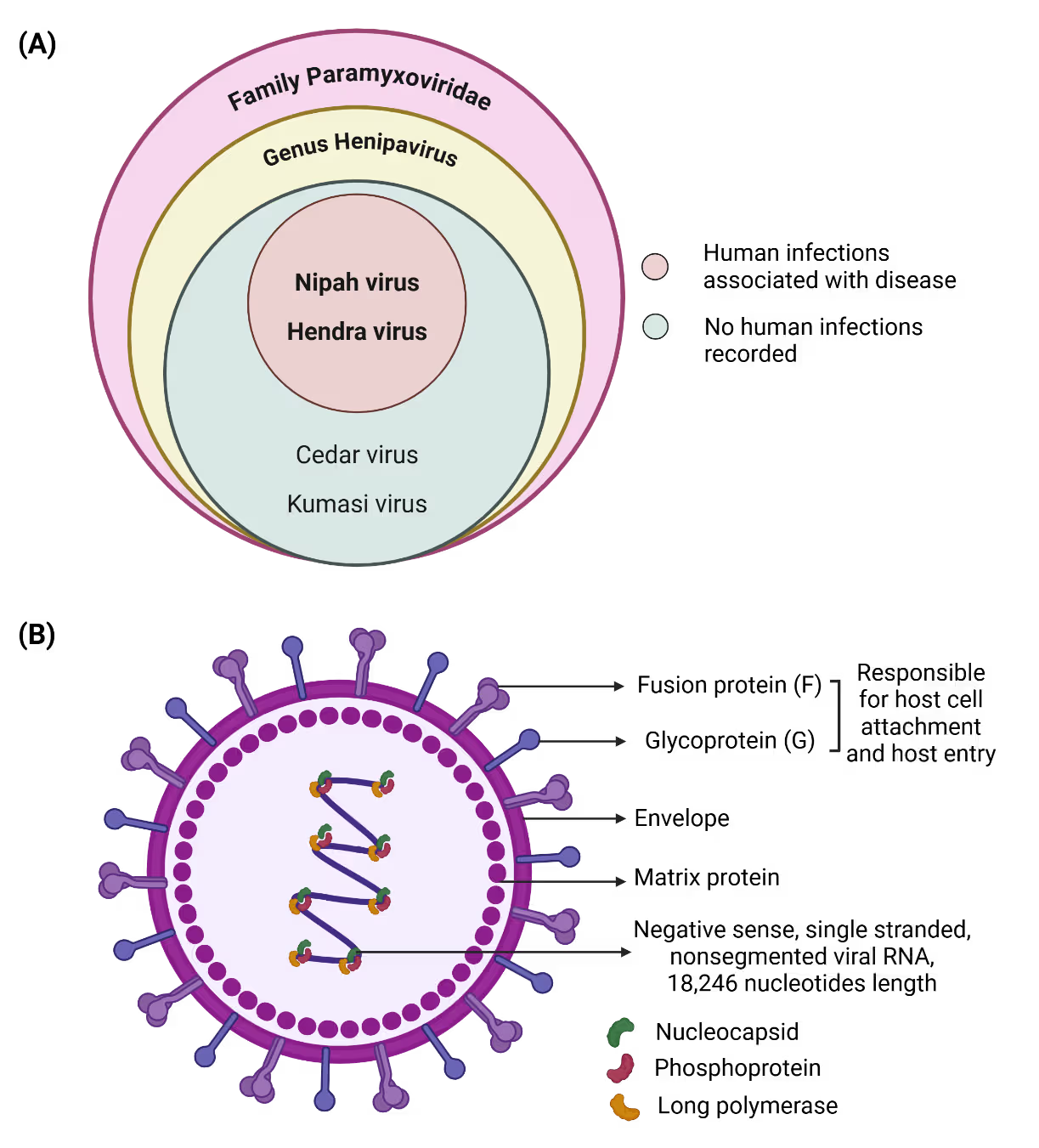
尼帕病毒是一种包膜负链单链 RNA 病毒,基因组大小约为 18.2 kb,属于 副黏病毒科(图 1A)。其基因组编码六种主要结构蛋白,负责协调病毒的复制、组装和宿主细胞进入。其中,附着糖蛋白(G)和融合糖蛋白(F)对于宿主趋向性和致病性至关重要(图 1B)。
您的研发数据是否已为未来做好准备?CAS Intelligence Hub 是一款强大的集成解决方案,可将碎片化的科学研发数据转化为统一的、支持 AI 的知识环境。
尼帕病毒利用 ephrin-B2 和 ephrin-B3 受体,这些受体在内皮细胞、神经元和呼吸道上皮细胞中广泛表达且高度保守,从而能够感染多种器官和物种。病毒进入后会抑制干扰素信号传导,从而实现快速复制,并导致广泛的内皮损伤、血管炎和中枢神经系统炎症。复发性和迟发性脑炎的证据表明,尼帕病毒可以在免疫豁免部位持续存在,尽管这种长期持续存在的机制尚不明确。
跨物种传播地理分布与传播途径
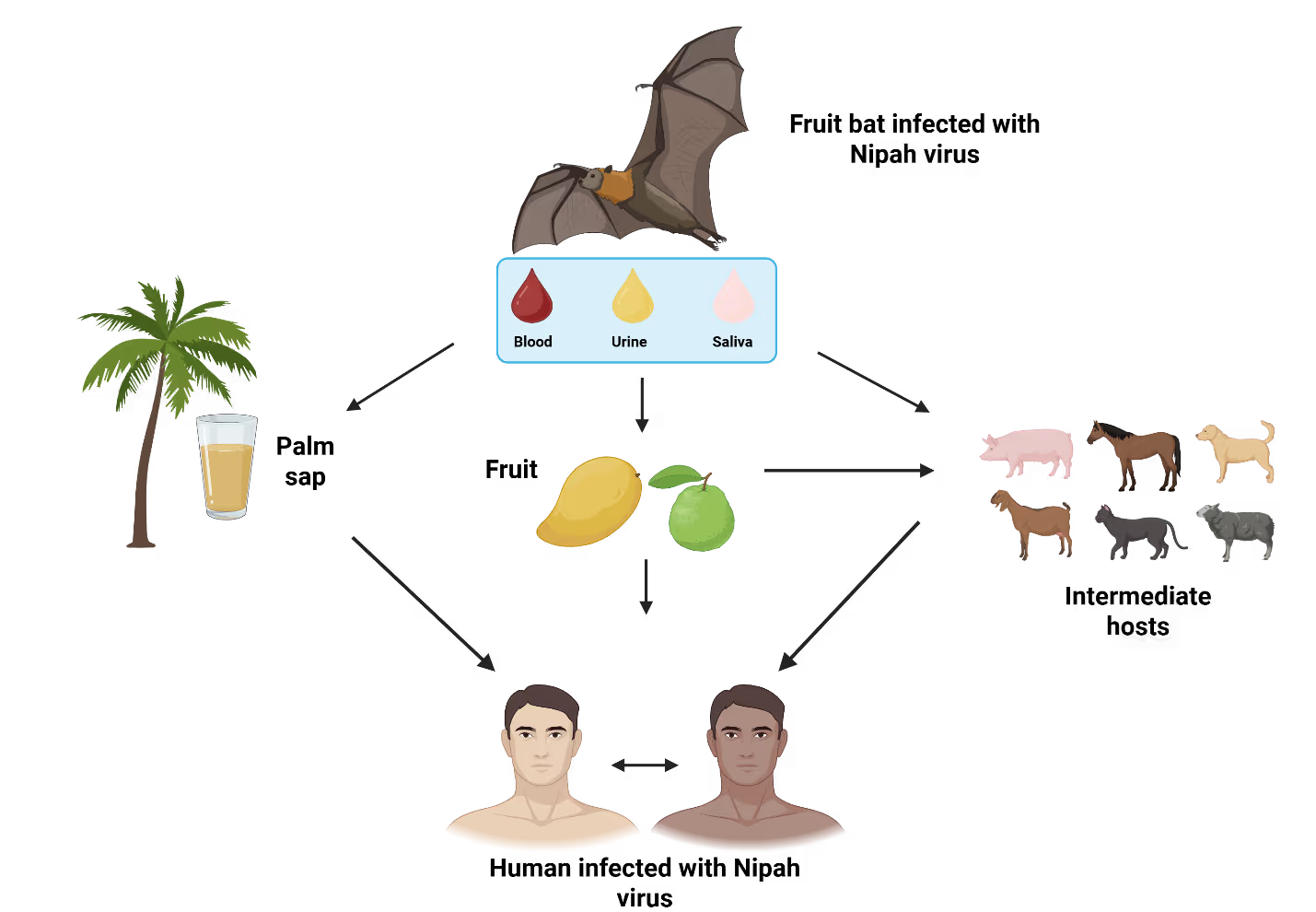
Nipah virus outbreaks have been reported in Malaysia, Singapore, Bangladesh, India, and the Philippines, showing a concentrated yet varied spillover landscape. The first major outbreak occurred in Malaysia (1998–1999), where pigs acted as amplifying hosts and facilitated large-scale animal-to-human transmission, with additional spread to Singapore through imported pigs. Since 2001, Bangladesh has experienced near annual outbreaks primarily linked to consumption of bat-contaminated raw date palm sap and subsequent human-to-human transmission, a pattern also observed in India, especially in West Bengal and Kerala. In the Philippines, outbreaks have involved horse-to-human transmission followed by person-to-person spread. Across affected regions, case fatality rates remain high (40–75%) and often rise during outbreaks dominated by interpersonal transmission. This person‑to‑person spread typically occurs through direct contact with bodily fluids of infected individuals, including saliva, respiratory secretions, blood, and urine, with additional risk from contaminated surfaces and close‑range exposure to respiratory droplets in crowded or poorly ventilated settings. Environmental change and increasing bat-human interface continue to elevate spillover risks, underscoring the need for coordinated One Health surveillance (Figure 2).
天然宿主
狐蝠科 Pteropodidae 的果蝠,特别是 狐蝠属(Pteropus)物种,是已确认的尼帕病毒天然宿主。这些蝙蝠不会表现出明显的疾病症状,但会通过唾液、尿液和排泄物排出病毒。在冬季怀孕的蝙蝠体内,病毒排出量会增加,这恰逢流行地区的枣椰汁采集季节。狐蝠属蝙蝠广泛分布于南亚和澳大利亚北部。
家畜感染
在过去的疫情中,多种家畜(包括猪、马、山羊、绵羊、猫和狗)均曾被感染,其中猪在 1999 年马来西亚疫情中发挥了核心作用。受感染的猪即使在 4-14 天的潜伏期内也能排出病毒。农场间的传播可通过受污染的物品(如设备、衣物、靴子或车辆)发生。
疾病临床谱:从发热性疾病到致死性脑炎
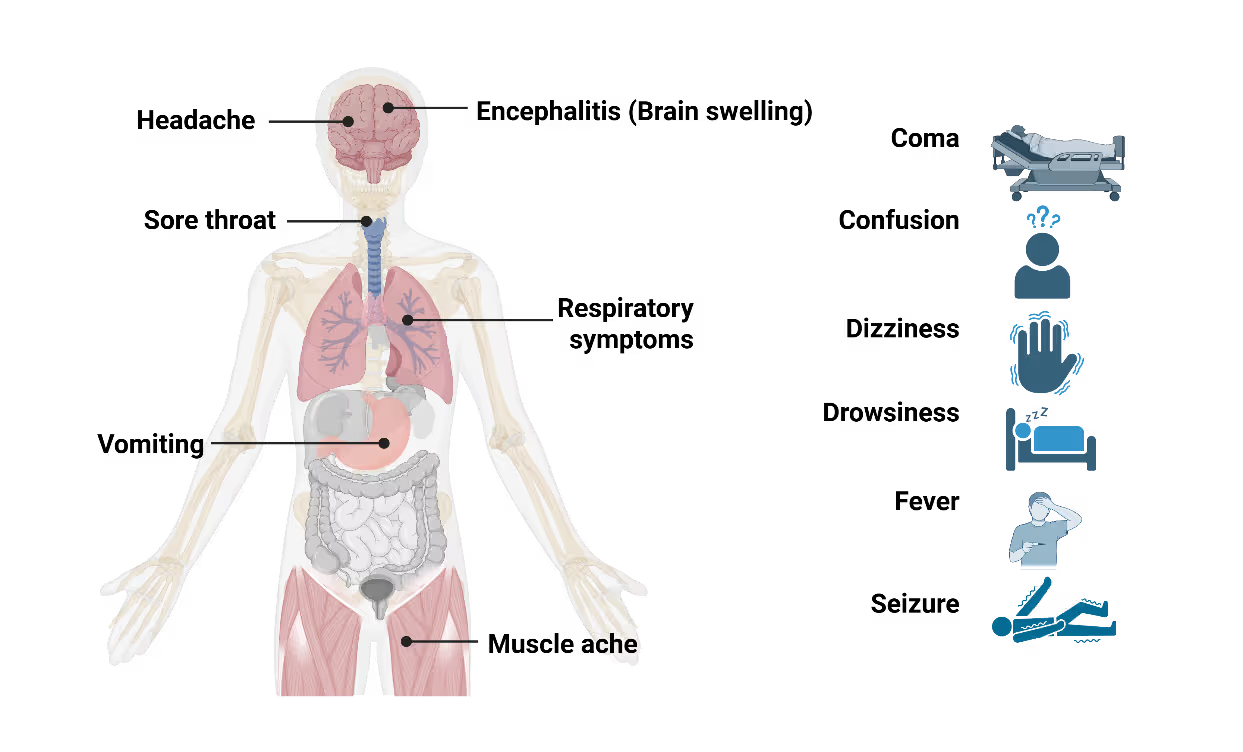
尼帕病毒感染的临床表现范围广泛,从轻症或无症状病例到进展迅速的致死性疾病不等。初期症状缺乏特异性,包括发热、头痛、肌痛和呕吐,这使得早期临床诊断极具挑战性,尤其是在医疗资源匮乏的地区。神经系统受累是重症的典型特征。患者在症状出现后的几天内可能发展为急性脑炎,表现为精神状态改变、癫痫发作和昏迷(图 3)。在发生持续人际传播的疫情中,呼吸系统受累(包括咳嗽和急性呼吸窘迫)更为常见,且与更高的病死率相关。尼帕病毒感染的一个罕见且具有重要临床意义的方面是延迟性或复发性脑炎的发生。这些在明显康复数月甚至数年后报告的病例,凸显了对幸存者进行长期随访的必要性,也增加了疾病负担评估的复杂性。潜伏期通常为 4 至 14 天,但在极少数情况下可超过 40 天。这种较长的潜伏期为接触者追踪和疫情控制带来了挑战,特别是在大规模暴露事件中。
研究格局与发表趋势
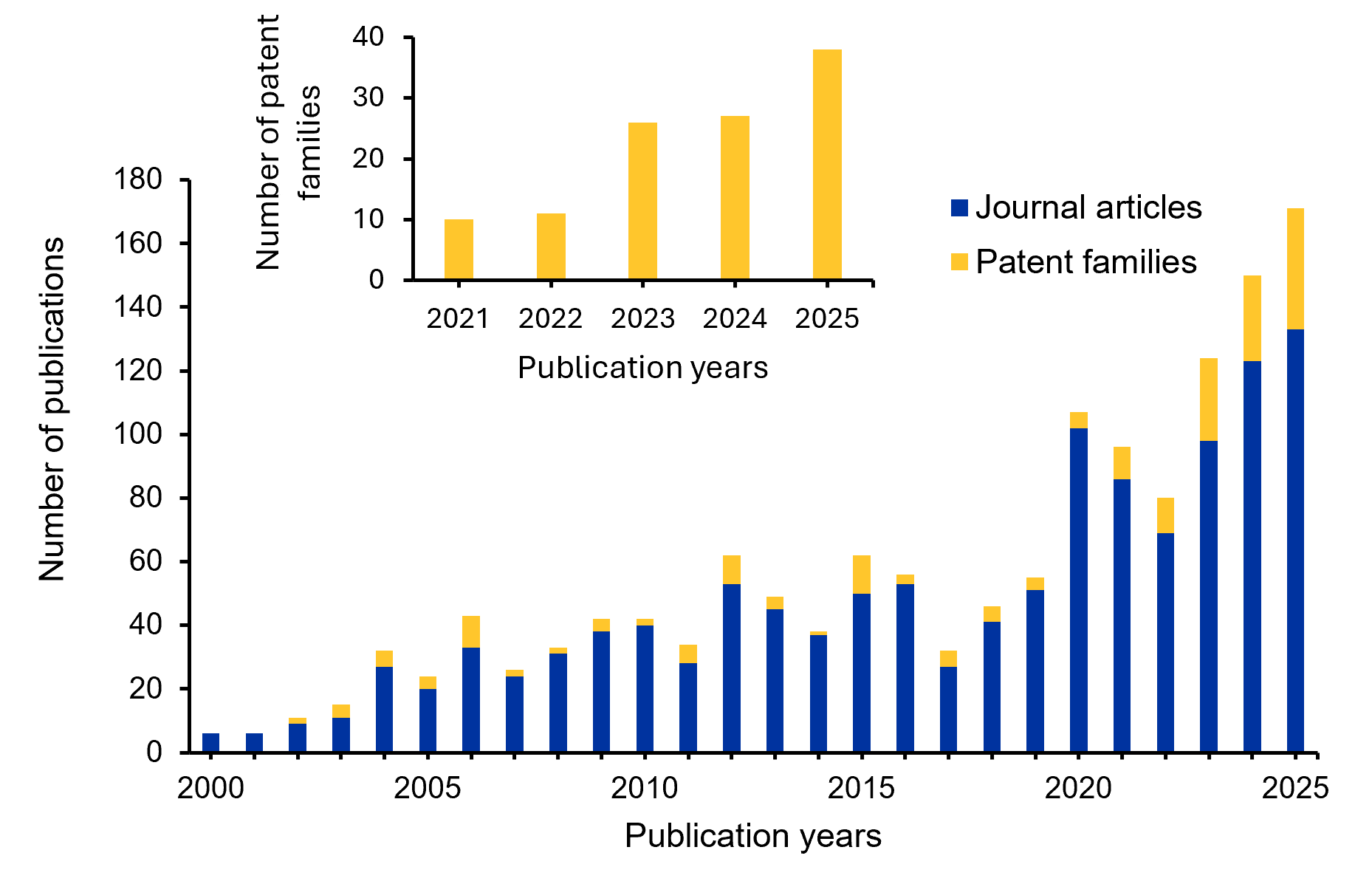
我们利用 CAS Content Collection™(通过 CAS IP Finder™ powered by STN™ 访问)分析了与尼帕病毒相关的全球期刊发表和专利活动。年度趋势显示,过去 25 年的研究产出稳步增长(图 4),2018 年后增长尤为显著,这主要得益于疫情的加剧以及对高风险人畜共患病威胁的广泛认知。期刊论文仍是主要的学术产出形式,而专利申请(特别是在诊断、治疗和疫苗领域)自 2020 年以来大幅增加。过去五年的插图分析显示,专利家族数量从 2021 年的 10 项增加到 2025 年的 38 项,总增长率为 280%(约 3.8 倍),复合年增长率约为 39.6%。到 2025 年,科学出版物和专利活动均达到最高水平,反映了持续的研发投入和全球研究重点的加强。
研究主要集中在宿主免疫反应、治疗开发和病毒进入机制方面,凸显了对发病机制和干预策略的浓厚兴趣。在实验系统、疫苗、预防和诊断等领域观察到中等规模的发表量,而监测、公共卫生以及制剂与递送领域的研究相对不足。综上所述,这些见解揭示了一个主要由机制和治疗研究驱动的研究生态系统,但在转化准备和疫情应对方面存在显著差距。

利用 CAS SciFinder® 访问 CAS Content Collection™ 的高级专利检索功能,我们确定了一批尼帕病毒研发领域近期且高相关性的专利。汇总见表 1。
| 专利号 / 年份 / 标题 | 主要贡献 |
|---|---|
| CN121320643 A / 2026 / 一种基于 RPA-CRISPR/Cas13a 的尼帕病毒快速检测方法及试剂盒 | 介绍了一种基于 RPA-CRISPR/Cas13a 的快速、高灵敏度尼帕病毒检测方法,可在 35 分钟内提供结果,检测限为 1 copy/μL。 |
| DE202025104347 U1 / 2025 / 一种通过气味分析检测尼帕病毒的便携式设备 | 介绍了一种便携式人工智能驱动的挥发性有机化合物检测设备,结合了紫外电离、微型质谱和机器学习模型,可从空气样本中识别尼帕病毒特有的挥发性特征。该设备提供实时警报和无线连接以进行模型更新,从而实现快速、非接触式的筛查和新兴健康风险的早期预警。 |
| KR2900650 B1 / 2025 / 用于尼帕病毒疫苗和诊断应用的免疫原性肽 | 开发了基于尼帕病毒特异性表位序列的免疫原性肽,用于疫苗制剂和诊断应用。 |
| CN120420326 A / 2025 / MY-1B 在制备预防和治疗尼帕病毒药物中的应用 | 描述了一种宿主导向的抗病毒策略,即利用 MY-1B 通过阻断 NSUN2 甲基转移酶活性来抑制宿主 m5C RNA 修饰,从而抑制尼帕病毒的复制。 |
| CN120305267 A / 2025 / STM2457 在制备预防和治疗尼帕病毒药物中的应用 | 该方法通过靶向宿主表观遗传机制而非直接作用于病毒组分,提供了一种新型治疗策略。 |
| IN202541113726 A / 2025 / 利用反向疫苗学设计的尼帕病毒从头多表位免疫原 | 提出了一种利用反向疫苗学和免疫信息学设计的多表位亚单位疫苗,整合了来自尼帕病毒磷蛋白的 CTL、HTL 和 B 细胞表位,并以 β-防御素作为佐剂以增强免疫激活。 |
| IN202441085121 A / 2024 / 用于抑制尼帕病毒感染的功能化富勒烯偶联纳米分子 | 开发了靶向多种尼帕病毒蛋白的功能化 C20/C60 富勒烯纳米分子,可干扰 RNA 处理、核衣壳形成及病毒粒子组装。这种多靶点抗病毒机制减少了病毒传播,并展现出潜在的广谱活性。 |
| WO2024168224 A2 / 2024 / 工程化尼帕病毒 mRNA 疫苗 | 描述了一种编码可溶性或全长尼帕病毒糖蛋白 (NiV-G) 和/或融合蛋白 (NiV-F) 的 mRNA 疫苗平台,旨在诱导针对尼帕病毒感染的强效免疫反应。 |
| CN117304311A / 2023 / 靶向尼帕病毒 G 蛋白的纳米抗体及多聚化纳米抗体 | 利用噬菌体展示技术衍生的纳米抗体库,开发了靶向尼帕病毒 G 蛋白的高亲和力纳米抗体。 |
| CN110028579 A / 2019 / 抗包膜糖蛋白的单克隆抗体及其在制备尼帕病毒病治疗药物中的应用 | 单克隆抗体 14F8 能以高亲和力选择性结合尼帕病毒包膜糖蛋白,且与亨德拉病毒的交叉反应极低,使其适用于特定的诊断应用。 |
管理审查积压的专利局或处理复杂科学知识产权组合的律师事务所可以探索由 STN™ 功能支持的 CAS IP Finder,通过针对特定工作流程需求(包括化学结构检索和多司法管辖区申请分析)的演示进行了解。
高致病性病原体的诊断:工具与局限性
准确、及时地诊断尼帕病毒感染对于疫情控制至关重要,但在后勤方面仍面临挑战。由于早期症状缺乏特异性,实验室确诊必不可少。逆转录聚合酶链反应 (RT-PCR) 检测是检测急性病例中病毒 RNA 的主要诊断工具。血清学检测(包括用于检测 IgM 和 IgG 抗体的酶联免疫吸附试验 (ELISA))在回顾性诊断和血清监测中发挥着重要作用。病毒分离和中和试验可提供最终确诊,但需要生物安全四级 (BSL-4) 实验室条件,这严重限制了其可及性。
在疫情爆发期间,诊断延迟会产生严重后果,导致在实施感染控制措施之前病毒持续传播。在尼帕病毒防范工作中,开发可部署在分散式医疗环境中的快速即时诊断工具仍是一项亟待解决的关键需求。
治疗干预:有限的选择与实验性方法
目前,尚无获批用于治疗尼帕病毒感染的特异性抗病毒药物,患者管理主要依赖支持性治疗。然而,针对抗病毒药物、单克隆抗体和宿主靶向疗法的持续研究不断拓展了潜在干预手段的范围。
近期的计算药物重定位研究强调了五种已获 FDA 批准的抗病毒药物——沙奎那韦 (Saquinavir)、奈非那韦 (Nelfinavir)、西美瑞韦 (Simeprevir)、帕利瑞韦 (Paritaprevir) 和替拉那韦 (Tipranavir)——作为有前景的候选药物。这些化合物对尼帕病毒糖蛋白和宿主受体复合物表现出很强的结合亲和力,并在分子对接和分子动力学模拟中展现出稳定的相互作用,表明它们具有进一步进行体内研究和临床评估的潜力。
除重新利用的抗病毒药物外,多种实验性分子、核苷类似物、干扰素诱导剂和单克隆抗体在体外、体内或动物模型研究中均显示出不同程度的疗效。下表(表 2)总结了目前正在研究中、具有潜在抗尼帕病毒活性的关键药物和生物疗法。其中,m102.4目前正处于 I 期临床试验阶段。
| 小分子药物 | |||
|---|---|---|---|
| 药物 | 描述 | 实验模型 | 作用机制 |
| 氯喹 | 4-氨基喹啉(抗疟药) | 叙利亚金仓鼠和雪貂 | 抑制 F 蛋白成熟 |
| 利巴韦林 | 鸟苷类似物(抗病毒药) | 人类开放标签临床试验 | 抑制病毒复制 |
| 法匹拉韦 | 嘌呤类似物(抗病毒药) | 叙利亚金仓鼠 | 预防病毒攻击 |
| 瑞德西韦 (GS-5734) | 腺苷类似物(抗病毒药) | 非洲绿猴 | 核苷酸类似物前药;抑制病毒复制 |
| 肝素 | 抗凝血剂 | 叙利亚金仓鼠 | 通过与硫酸乙酰肝素结合抑制细胞介导的病毒跨细胞感染 |
| 瑞他托莫德 | 干扰素诱导剂 | 叙利亚金仓鼠 | 诱导 IFN-α 和 IFN-β 的产生;抑制病毒复制 |
| 格里菲辛 | 抗病毒凝集素 | 叙利亚金仓鼠 | 抑制病毒进入、复制及合胞体形成 |
| VIKI-dPEG4-Toco, VIKI-PEG4-chol | 病毒融合抑制肽 | 非洲绿猴和叙利亚金仓鼠 | 抑制 F 蛋白融合及细胞进入 |
| 巴拉匹韦 (R1479) | 胞苷类似物(抗病毒药) | 体外 | 病毒RNA依赖性RNA聚合酶抑制剂 |
| 单克隆抗体 | |||
| 药物 | 目标 | 当前阶段 | 开发方 |
| mAb 102.4 | 尼帕病毒(NiV)G糖蛋白 | 人体(I期临床试验)ACTRN12615000395538 | 亨利·M·杰克逊军事医学促进基金会(美国马里兰州贝塞斯达) |
| mAb 5B3, mAb h5B3.1 | 尼帕病毒(NiV)融合前F糖蛋白 | 临床前(小鼠和雪貂) | 华盛顿大学(美国华盛顿州西雅图)和统一服务大学(美国马里兰州贝塞斯达) |
| mAb HENV-26, mAb HENV-32 | 尼帕病毒(NiV)G糖蛋白 | 临床前(雪貂) | 范德比尔特疫苗中心(美国田纳西州纳什维尔) |
疫苗研发格局:结构性挑战下的进展
近年来,尼帕病毒疫苗的研发步伐显著加快,这得益于其被列为重点病原体以及全球卫生应急准备投入的增加。目前,包括重组亚单位疫苗、病毒载体候选疫苗和核酸技术在内的多种平台,正在临床前和早期临床研究中进行评估。表3-4概述了主要候选疫苗及其研发状态。
尽管在实验室研究和早期临床评估中取得了令人鼓舞的进展,但推动这些候选疫苗获得许可仍面临挑战。尼帕病毒疫情的零星爆发和地理分布局限性,使得开展传统的有效性试验变得困难,这凸显了采用替代监管途径、适应性试验设计以及针对特定区域的准备策略的必要性。
| 疫苗 | 临床试验阶段/试验编号 | 技术平台 | 抗原/免疫原 | 申办方 |
|---|---|---|---|---|
| ChAdOx1 NiVB | II 期 | 复制缺陷型黑猩猩腺病毒载体(ChAdOx1 平台)——与牛津/阿斯利康新冠疫苗采用相同平台 | 由 ChAdOx1 载体编码的尼帕病毒糖蛋白 (G) | 流行病防范创新联盟 (CEPI) |
| PHV02 | I 期 / NCT05178901 | 复制型水泡性口炎病毒 (rVSVΔG) 病毒载体 | 表达重组尼帕病毒 B 糖蛋白 (NiVG) | Public Health Vaccines LLC |
| mRNA-1215 | I 期 / NCT05398796(2025 年 10 月完成;结果于 2025 年 10 月 23 日发布) | 脂质纳米颗粒 mRNA 疫苗 | 与尼帕病毒马来西亚株 G 单体共价连接的融合前稳定 F 蛋白 (PreF/G) | 美国国家过敏和传染病研究所 (NIAID) 与 ModernaTX, Inc. |
| 疫苗 | 描述 | 动物模型 |
|---|---|---|
| 亚单位疫苗 | ||
| HeV-sG (Equivac® HeV) | 基于可溶性亨德拉病毒 (HeV) G 糖蛋白的亚单位疫苗。可诱导针对亨德拉病毒和尼帕病毒的交叉保护性免疫反应。目前在澳大利亚已获准用于马匹 | 雪貂 |
| 载体疫苗 | ||
| rVSV-ΔG-NiVB/F-GFP rVSV-ΔG-NiVB/G-GFP |
表达尼帕病毒 B 亚型 F 或 G 蛋白的重组水泡性口炎病毒 (VSV) 疫苗 | 非洲绿猴 |
| rRABV/NIV (NIPARAB) | 表达尼帕病毒 G 蛋白的重组狂犬病毒载体疫苗 | C57BL/6 小鼠 |
| rVSV-EBOV-GP-NiV-G | 表达埃博拉病毒糖蛋白和尼帕病毒 G 蛋白的重组 VSV 载体疫苗 | 非洲绿猴 |
| rMV-NiV-G | 表达尼帕病毒 G 蛋白的重组麻疹病毒疫苗 (rMV) | 非洲绿猴 |
| BoHV-4-A-CMV-NiV-GΔTK BoHV-4-A-CMV-NiV-FΔTK |
表达尼帕病毒 G 或 F 蛋白的重组牛疱疹病毒疫苗 (BoHV) | 猪 |
| 病毒样颗粒疫苗 | ||
| 尼帕病毒样颗粒 (NiV-VLP) 疫苗 | 纯化的尼帕病毒样颗粒 G、F 和 M 蛋白 | 金黄地鼠 |
| mRNA 疫苗 | ||
| sHeVG mRNA LNP | 编码可溶性亨德拉病毒糖蛋白 (sHeVG) 亚基的 mRNA 疫苗 | 叙利亚仓鼠 |
结论与未来展望
尼帕病毒仍是一种令人高度关注的新发病原体。这不仅是因为其高致死率,还因为维持其反复爆发的生态和分子因素十分复杂。随着病毒学、治疗学和疫苗研发领域研究的加速,长期阻碍应对工作的知识空白正在逐步填补。快速诊断技术的进步、靶向抗病毒药物的研发以及创新疫苗平台的出现,反映出尼帕病毒自发现以来,其研发体系已变得比以往任何时候都更加广泛和成熟。然而,疫情爆发的零星性和地域性特征,依然延缓了从实验室研究成果向有效应对措施转化的进程。未来的进展将取决于加强“全健康”监测、提高社区层面的早期发现能力,并在溢出风险最高的地区扩大临床试验基础设施。通过持续的投入、跨部门协作以及灵活的监管策略,未来十年有望实现变革性的突破。降低尼帕病毒的全球威胁,不仅需要科学创新,还需要将生态学、公共卫生和临床见解长期整合到统一的疫情预防策略中。