
Biomass-derived fuels and chemicals represent a critical pathway towards sustainable energy and chemical production. These materials use renewable organic inputs from plant and agricultural sources to generate products typically derived from petroleum and other fossil fuels. While biomass only accounts for 1% of grid-level energy production in the U.S. and about 6% in the European Union, advances in biomass conversion technologies are increasing yields, reducing costs, and improving the sustainability of these materials.

The global market for biochemicals and biofuels demonstrates significant growth that is expected to continue. Biochemicals are projected to grow at a CAGR of 10.6% and reach a value of $355 billion by 2035. Biofuels are expected to grow about 7% and reach over $270 billion in value by 2035. This growth is propelled by increasing energy demands and the need for environmentally friendly alternatives to fossil fuels.

Despite their promising potential, however, biomass-derived fuels and chemicals face significant challenges. Large-scale production facilities are limited and existing conversion processes often require high temperatures and pressure, which increase capital and operation costs. These processes also tend to require expensive catalysts and can produce low-value side products. Feedstock availability and competition with land use for food production also pose ongoing challenges. Moreover, the fuel-versus-food conflict arises when crops meant for food are diverted to produce biofuels, leading to concerns over food security and rising prices.

To address these issues, researchers are focusing on non-food biomass sources, such as agricultural waste and residues, and various conversion processes to improve efficiency and sustainability. We conducted an in-depth analysis of the biomass publication landscape with the CAS Content CollectionTM, the largest human-curated repository of scientific information, to better understand the evolution of this field. 

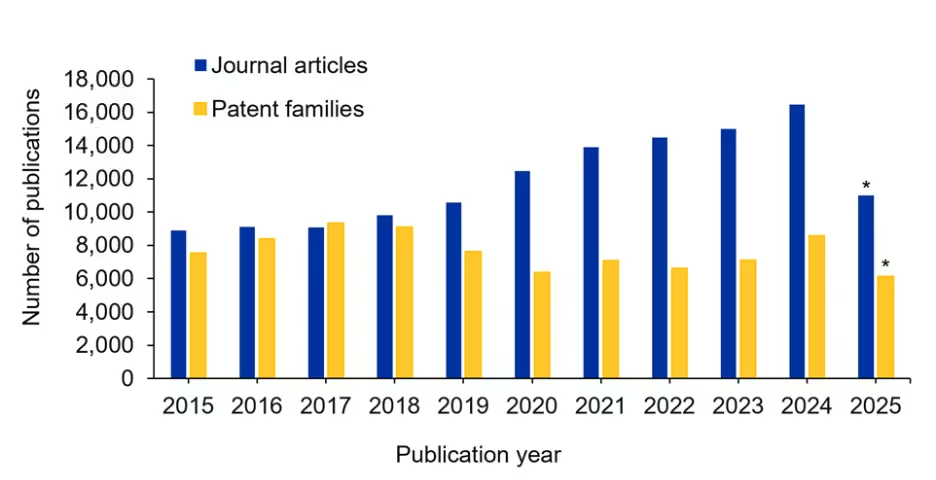
Using a carefully designed search strategy, we identified approximately 220,000 publications that reported biomass conversion to value-added products published between 2015 and 2025. We systematically extracted and analyzed bibliometric information, CAS-indexed concepts, and chemical substances from these publications to identify research trends and generate meaningful insights into the field of biomass conversion. Our analysis found moderate growth in journal articles published on biomass conversion and related research, with publication volume nearly doubling in the last decade. In contrast, the inconsistent growth in patent publications suggests a weak alignment between fundamental research and its commercialization, highlighting operational challenges and technical limitations that hinder practical implementation (see Figure 1).

Yearly trends of journal articles and patent families published on biomass conversion research. Data for 2025 is partial through August. Source: CAS Content Collection.

Figure 1: Yearly trends of journal articles and patent families published on biomass conversion research. Data for 2025 is partial through August. Source: CAS Content Collection.

The economic and environmental imperatives for biomass-derived materials will continue to increase, so we further analyzed feedstocks, processes, and products to explore research trajectories and new developments in this crucial field of green chemistry.

Biomass feedstocks: The foundation of biofuels and biochemicals

Biomass feedstocks are the fundamental raw materials in biomass valorization, and their selection significantly influences the efficiency and product outcomes of conversion technologies.  

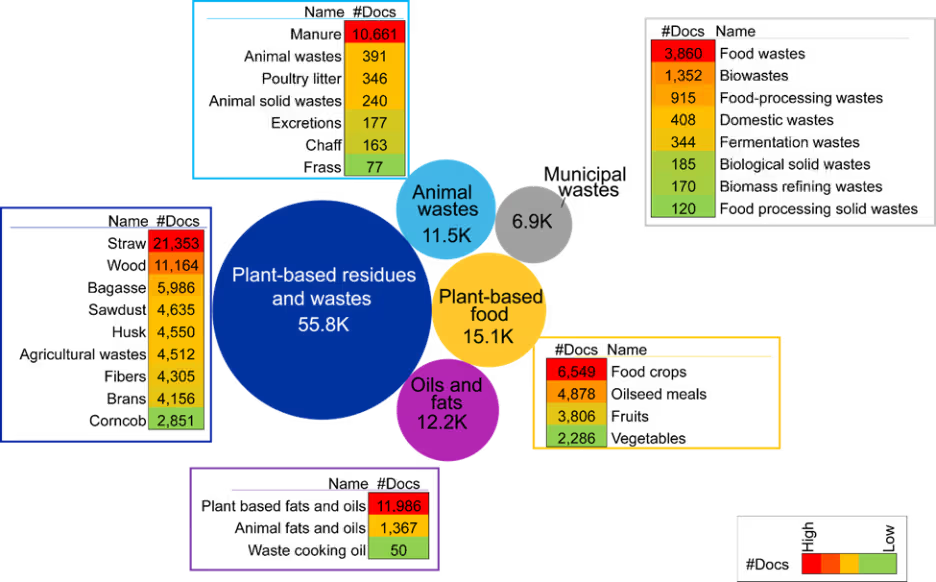
For this analysis, the CAS-indexed concepts were classified into different categories based on their origin, i.e., plant-based, animal-derived, and municipal waste (see Figure 2).

[Call out box: Learn more about the CAS Lexicon in CAS SciFinder®. CAS Concepts can help you build more precise or broader search queries depending on your needs and is especially useful when researching unfamiliar fields. Search the CAS Lexicon in CAS SciFinder | CAS]

Biomass feedstock categories. Packed bubbles illustrate the major feedstock groups identified in the dataset. The adjacent heatmaps highlight the top ten subcategories, with color gradients indicating publication volume. Red represents the highest and green the lowest. Source: CAS Content Collection.

Figure 2: Biomass feedstock categories. Packed bubbles illustrate the major feedstock groups identified in the dataset. The adjacent heatmaps highlight the top ten subcategories, with color gradients indicating publication volume. Red represents the highest and green the lowest. Source: CAS Content Collection.

Plant-based residues and waste dominate the publication landscape due to their abundance and high lignocellulosic content. This category includes non-food agricultural residues, such as straw, wood, husks, and fibers, which avoids the food-versus-fuel conflict. These materials are primarily composed of cellulose, hemicellulose, and lignin, and their composition varies depending on the source. Straw stands out due to its massive availability and versatility across conversion pathways. With 30-40% cellulose, 20-30% hemicellulose, and 15-20% lignin, it is well-suited for enzymatic hydrolysis, fermentation processes, and thermochemical routes like pyrolysis and gasification. 

Wood is the second dominant feedstock, derived from forestry residues such as chips and shavings. Its high lignocellulosic content, low moisture, and energy density make it efficient for combustion, gasification, pelletization, and biochar production. Bagasse, a fibrous residue from sugarcane processing, is also rich in cellulose and hemicellulose and widely used for producing bioethanol, biogas, and biochemicals. Sawdust, a wood processing byproduct, offers fine particle size and consistent composition, enabling efficient conversion into bioethanol, biofuel, and polyols (xylitol). 

The plant-based food category includes crops like corn, rice, beet, oilseed meals, fruits, and vegetables, which primarily serve as renewable sources for food, energy, and chemical production. Crops such as corn are used to produce biofuels and bioplastics, while oilseed meals, byproducts of oil extraction, are valorized into biodegradable films and coatings. Fruit and vegetable wastes are increasingly valorized for producing organic acids, biofuels, and fertilizers through microbial and enzymatic conversion routes.  

The oil and fats feedstock category is dominated by plant-based substances. This prominence is supported by well-established conversion technologies such as transesterification and hydroprocessing. These renewable sources of long-chain hydrocarbons are primarily composed of triacylglycerols (TAGs, 95-98%). TAGs are esters of higher fatty acids and glycerols. They are also increasingly valorized for producing platform chemicals and biofuels. 

Animal wastes such as manure and poultry litter represent a significant biomass stream due to their massive availability and established conversion pathways. Their use not only generates renewable energy but helps mitigate methane emissions, a potent greenhouse gas. 

Municipal wastes, particularly their organic fraction, are dominated by food waste and processing residues. These materials are rich in carbohydrates, lipids, and proteins, making them suitable for anaerobic digestion, gasification, and composting. Valorization of municipal waste not only diverts waste from landfills but also enables the production of biogas, biofuels, and platform chemicals, supporting sustainable urban waste management strategies.

Conversion processes: How biomass becomes fuels and chemicals

The transformation of diverse biomass feedstocks into fuels, platform chemicals, fertilizers, and pharmaceutical products requires sophisticated conversion technologies that can break down complex organic structures and convert them into desired compounds. The selection of conversion pathway is determined by the intended end products and feedstock characteristics, particularly moisture content, lignin composition, and carbohydrate structure of the feedstock taken. 

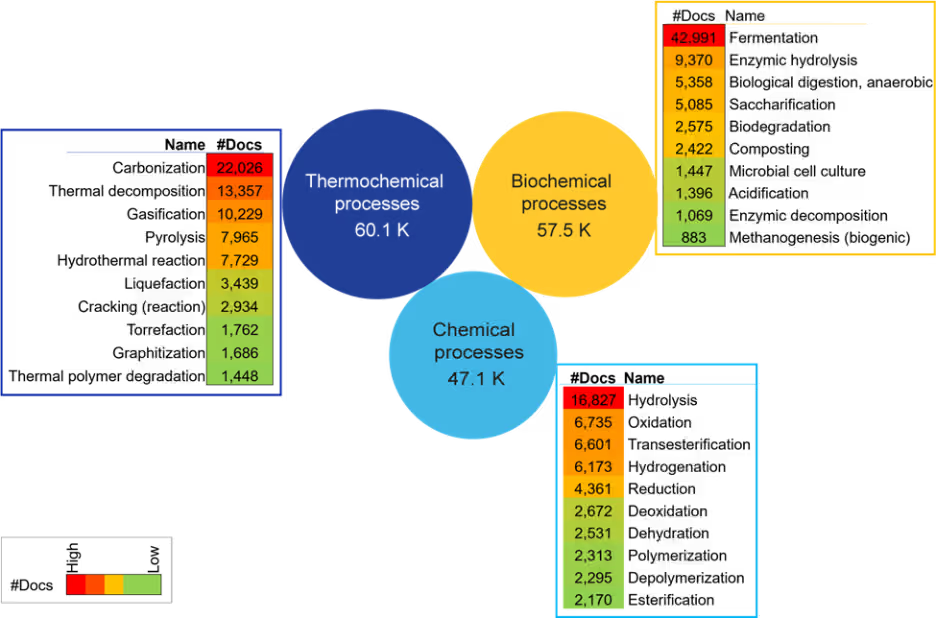
There are several biomass conversion technologies that can be applied to convert biomass from one form to more valuable forms, but the dominant ones are thermochemical, biochemical, and chemical technologies. We analyzed the CAS-indexed concepts, categorized them across these three conversion technologies, and examined the associated documents to identify underlying patterns and emerging trends (see Figure 3).

Biomass conversion technologies are visualized as packed bubbles, with individual processes within each category represented by heatmaps. Color gradients indicate publication volume, where red denotes the highest and green as the lowest publication activity. Source: CAS Content Collection.

Figure 3: Biomass conversion technologies are visualized as packed bubbles, with individual processes within each category represented by heatmaps. Color gradients indicate publication volume, where red denotes the highest and green as the lowest publication activity. Source: CAS Content Collection.

Our analysis reveals that thermochemical technology, which uses heat and pressure, is one of the most-studied biomass conversion platforms. These processes are favored for their rapid processing of diverse feedstocks and offer scalable, energy-efficient solutions, especially in cases where biochemical approaches are constrained by feedstock composition. Major thermochemical processes in our dataset include carbonization, thermal decomposition, gasification, pyrolysis, and hydrothermal reaction. Carbonization leads in this category followed by thermal decomposition and gasification, underscoring the importance of these technologies in producing biofuels such as syngas and bio-oil, as well as generating biochar and hydrochar for environmental applications.

The next major category comprises biochemical processes, which use microorganisms and enzymes to deconstruct complex biomass structures into energy-rich compounds. These methods operate under mild conditions and are effective for carbohydrate-rich feedstocks. They enable the production of biofuels and biochemicals with high selectivity and efficiency. Major biochemical conversion processes in our dataset include fermentation, enzymic hydrolysis, anaerobic digestion, saccharification, and biodegradation. Fermentation is the most documented among all three conversion process types, reflecting its industrial maturity and widespread adoption for producing bioethanol, organic acids, fertilizers, and other value-added chemicals.

The final category included chemical conversion methods, which rely on synthetic catalysts and reagents to break down complex biomass structures into simpler, value-added compounds. Their compatibility with existing industrial systems makes them ideal for large-scale applications. Major chemical conversion processes in our dataset include hydrolysis, oxidation, transesterification, hydrogenation, and reduction. Hydrolysis dominates, emphasizing its fundamental role in breaking complex carbohydrates into simple sugars, which can then be processed into biofuels and biochemicals. The prominence of oxidation and hydrogenation processes reflects their use in producing platform chemicals and drop-in fuels, respectively. Moreover, transesterification is a key chemical process in biodiesel production due to its simplicity and efficiency.

Although these pathways differ in their operational principles, they collectively offer viable routes for producing sustainable energy and high-value products, thereby reducing reliance on fossil resources. The balanced distribution of documents across all three process categories reflects the industry's recognition that feedstock diversity and product requirements necessitate a multi-technological approach, while the substantial volume of research underscores the maturity and ongoing innovation potential of biomass conversion technologies.

Leading categories of biomass products

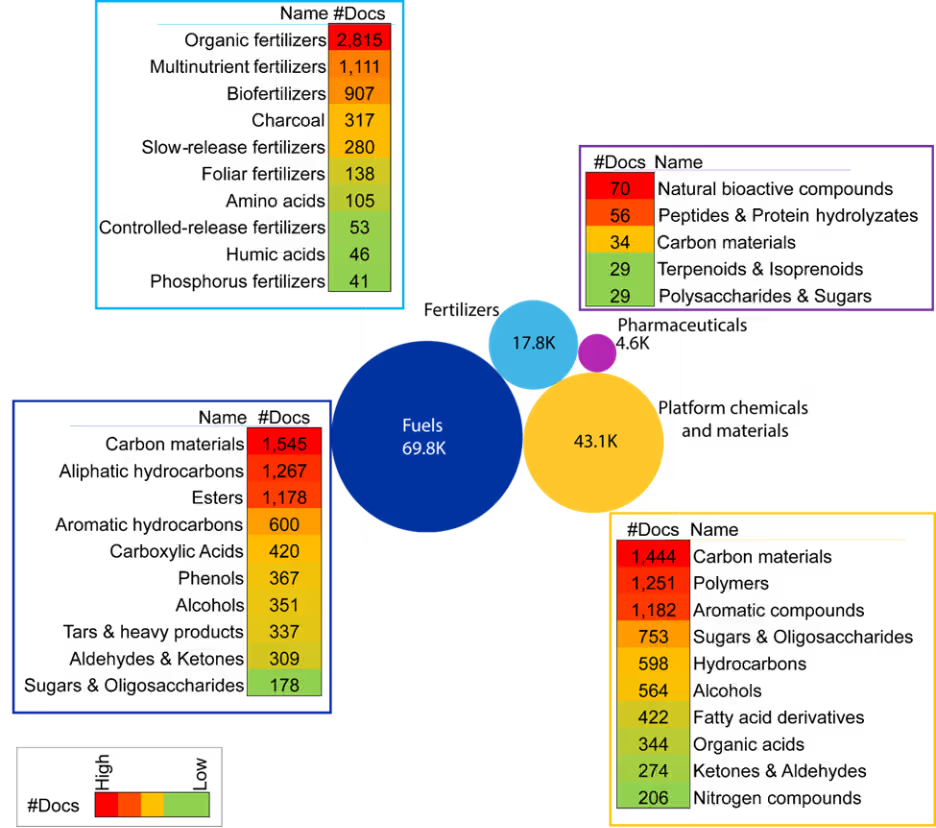
Publications indexed in the CAS Content Collection are assigned section numbers based on the studies reported in them. We used the CAS-indexed sections to categorize the publications into four product categories: fuels, platform chemicals and materials, fertilizers, and pharmaceuticals. The fuels product category had the highest number of publications, followed by platform chemicals and materials.  Fertilizers had the third-highest number of publications, and there were relatively few publications in the pharmaceutical category.

The CAS database contains numerous indexed concepts with “product” roles. To manage this large dataset, we consolidated product concepts with similar chemical compositions under unified product names (see Figure 4). For instance, related carbon-based materials such as charcoal, coke, and semicoke were grouped together under the single category “carbon materials.”

Products obtained by the conversion of biomass. Bubbles represent the categories of products and heatmaps present the major products within them. Source: CAS Content Collection.

Figure 4: Products obtained by the conversion of biomass. Bubbles represent the categories of products and heatmaps present the major products within them. Source: CAS Content Collection.

Within the fuel category, the predominant products are carbon materials, aliphatic hydrocarbons, and esters. For the platform chemicals and materials category, the major substance groups include carbon materials, polymers, and aromatic hydrocarbons.  

While carbon materials represent the largest substance group in the fuel and chemicals/materials categories, the specific types of carbon materials within each category differ significantly. In fuels production, charcoal dominates alongside coke and various carbonaceous materials, primarily serving as solid fuel alternatives. The platform chemicals and materials sector emphasizes advanced carbon products including carbon fibers, nanofibers, and activated carbons for high-value applications in composites, energy storage, and environmental remediation.

Another major product present in the fuels and platform chemicals and materials categories is esters. Fatty acid methyl esters (biodiesel) dominate fuel applications, while platform chemicals utilize diverse ester types including fatty acid derivatives for oleochemical applications.

The most common products in the fertilizers category are organic fertilizers, multinutrient fertilizers, and biofertilizers. Organic and multinutrient fertilizers provide the nutrients needed for plant growth, whereas biofertilizers contain live microorganisms that help plant growth and health. 

In the pharmaceutical category, the most common products are natural bioactive compounds, peptides and protein hydrolyzates, and carbon materials. Natural bioactive compounds such as flavonoids, saponins, and alkaloids are some of the biomass-derived substances used in the pharma industry. Peptides are used for the treatment of metabolic diseases and cancer. Protein hydrolyzates are used in pharmaceuticals for nutritional support and certain therapeutic properties. Carbon materials are also used due to their biocompatibility, high active material loading capacity, and electrical conductivity, as well as their ability to act as carriers for many active ingredients.

Substance co-occurrences highlight research activities

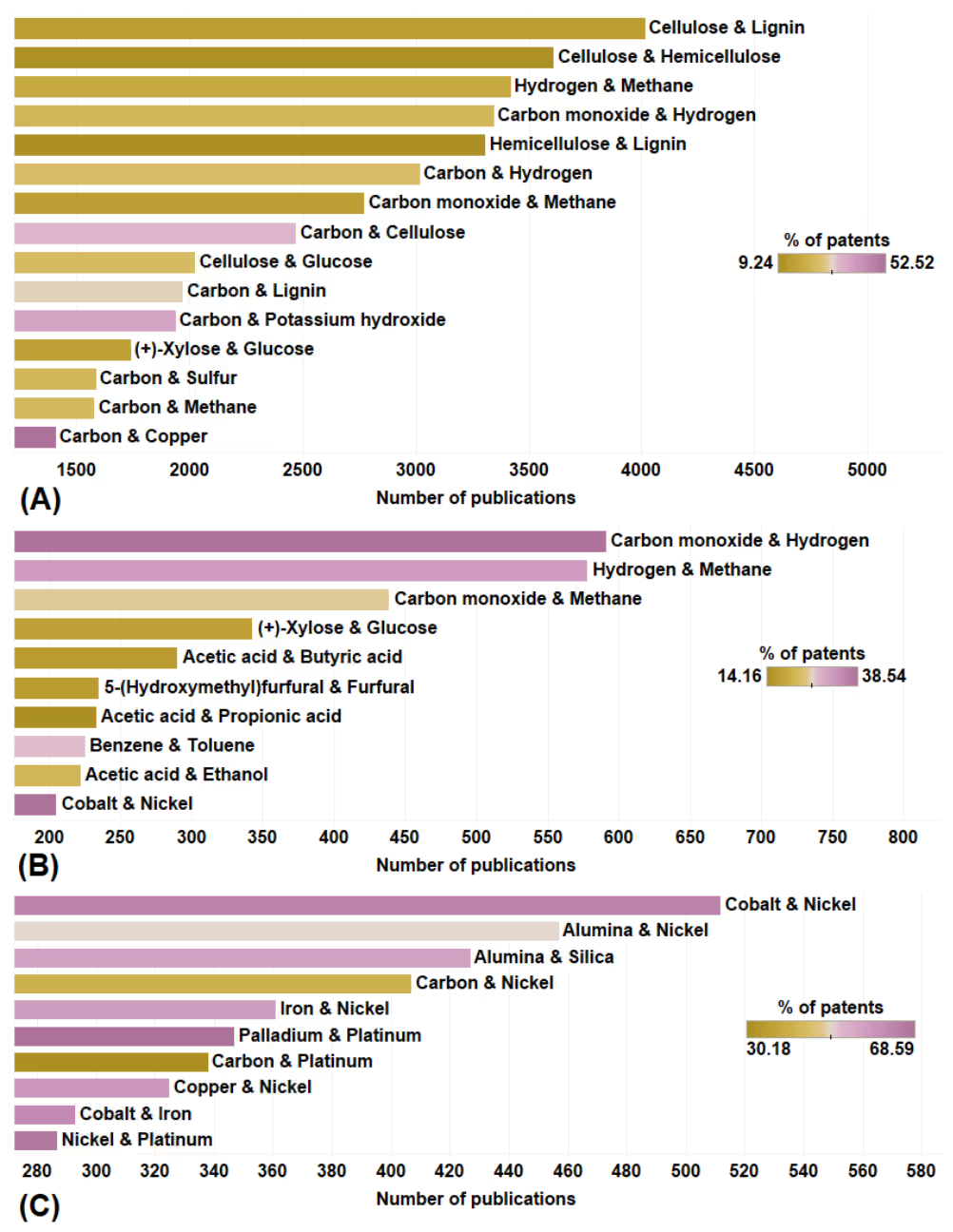
To gain deeper insights, we analyzed the co-occurrence of substances across the publication set from the CAS REGISTRY®, a database of disclosed chemical substances curated from scientific literature and other sources. This type of analysis can reveal important connections between otherwise disparate ideas and suggest where new research breakthroughs may be coming from. In this case, we examined substance co-occurrences regardless of their role, product-product substance pairs, and catalyst-catalyst pairs (see Figure 5).

Co-occurrence patterns of substance pairs. (A) all substance pairs regardless of role, (B) product-product pairs, and (C) catalyst-catalyst pairs, showing publication counts and patent percentages for top-ranked combinations. The bars are color-coded according to the percentage of patents out of the total number of publications. Source: CAS Content Collection.

Figure 5: Co-occurrence patterns of substance pairs. (A) all substance pairs regardless of role, (B) product-product pairs, and (C) catalyst-catalyst pairs, showing publication counts and patent percentages for top-ranked combinations. The bars are color-coded according to the percentage of patents out of the total number of publications. Source: CAS Content Collection.

  • Substance co-occurrences: The most prevalent involve the primary structural components of lignocellulosic biomass, with cellulose-lignin, cellulose-hemicellulose, and hemicellulose-lignin pairs dominating research publications. These associations reflect the integrated nature of biomass fractionation and valorization strategies, where researchers must address the complex interactions between these biopolymers during processing. Carbon emerges as a central element across multiple co-occurrence patterns, appearing with cellulose, lignin, hydrogen, and various inorganic compounds. This prevalence underscores carbon's dual role as a structural component of biomass and key product in thermochemical conversion processes, particularly carbonization and gasification reactions.
  • Product co-occurrences: These reveal a strategic focus on syngas components, with carbon monoxide-hydrogen, hydrogen-methane, and carbon monoxide-methane pairs showing high patent activity, indicating commercial interest in integrated gasification and synthesis gas applications. The co-occurrence of xylose and glucose reflects hemicellulose and cellulose hydrolysis research, while organic acid pairs like acetic-butyric and acetic-propionic acids demonstrate fermentation pathway optimization. The benzene-toluene pairing indicates aromatic compound production from lignin depolymerization, representing high-value chemical recovery strategies.
  • Catalyst co-occurrences: These are led by established catalytic systems for biomass conversion, with cobalt-nickel and palladium-platinum pairs showing exceptionally high patent percentages, reflecting their commercial importance in hydrogenation and reforming reactions. The prevalence of nickel-containing pairs across multiple combinations confirms its central role in biomass conversion catalysis, while alumina-silica co-occurrences indicate support material optimization for enhanced catalyst performance and stability in biomass processing environments.

Biofuels: The connection between feedstocks, conversion processes, and products

Biomass-derived fuels present distinctive properties that position them as viable alternatives to conventional fossil fuels, primarily their higher oxygen content and lower sulfur and nitrogen levels, which result in cleaner combustion with reduced particulate and greenhouse gas emissions. The oxygenated nature of biomass molecules leads to lower energy density compared to their fossil counterparts, but biomass fuels offer the significant advantage of carbon neutrality, as the CO₂ released during combustion is theoretically offset by absorption during biomass growth. 

The composition of these fuels varies considerably depending on the feedstock source, ranging from agricultural and organic waste to oils and fats and the specific conversion processes employed.

Major biofuels such as biodiesel, bioethanol, drop-in fuel, biogas, and bio-oil, demonstrate direct replacement potential for specific fossil fuels with minimal infrastructure modifications. Bioethanol, produced from cellulosic biomass through fermentation, can replace or blend with gasoline, improving octane rating but reducing energy per liter. Biodiesel, created through the transesterification of oils and fats, closely mimics petroleum diesel in viscosity and cetane number, allowing it to function as a direct replacement or blend while reducing particulate matter and hydrocarbon emissions. 

Moreover, drop-in biofuels (liquid bio-hydrocarbons) are also fully compatible with petroleum fuels and can operate equivalently without requiring any modification to the vehicle’s engine. Biogas and upgraded biomethane can replace natural gas for heating, electricity, and transport applications, while bio-oil shows promise as a heavy fuel oil substitute after appropriate upgrading.

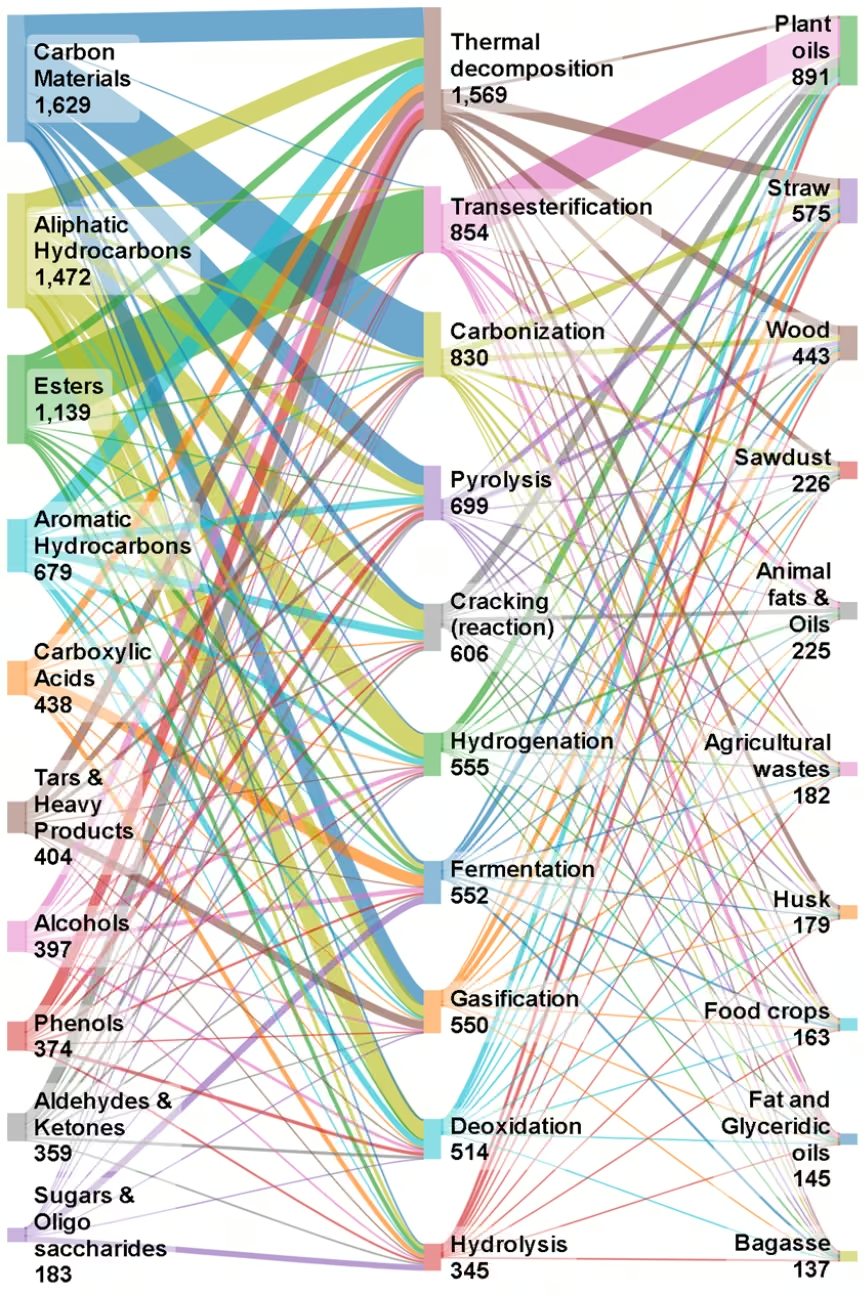
To understand the diverse routes through which biomass is transformed into fuel, we diagrammed the connections between fuel products and their respective conversion processes and feedstocks (see Figure 6).

Sankey diagram connecting the fuel products to their respective conversion processes and feedstocks based on the number of documents in CAS content collection.

Figure 6: Sankey diagram connecting the fuel products to their respective conversion processes and feedstocks based on the number of documents in the CAS Content Collection.

The analysis revealed that carbon-rich materials constitute a major fuel product. These are primarily generated through thermochemical processes such as carbonization, pyrolysis, and thermal decomposition, using feedstocks like straw, wood, and other plant-based residues. Carbon-rich fuels dominate due to the direct compatibility of lignocellulosic residues with thermochemical processes that efficiently yield stable, high-energy solid products like biochar, charcoal, coke, etc.

Next in prominence are aliphatic hydrocarbon-based fuels, which are produced via chemical and thermochemical processes like hydrogenation, cracking, and thermal decomposition. These methods are typically applied to plant-based oils and lignocellulosic residues. The prominence of these hydrocarbons reflects ongoing efforts to develop drop-in biofuels that can substitute conventional fossil fuels in transportation and industrial applications. 

Esters, with biodiesel as the principal representative, are synthesized predominantly through transesterification, using plant-derived oils as the primary feedstock. The high number of documents for this product indicates the scalability and regulatory support biodiesel has received in recent years. 

Other fuel-related products such as aromatic hydrocarbons, tars, alcohols, phenols, aldehydes, and ketones are predominantly obtained through thermal decomposition of plant-based residues and wastes. Finally, carboxylic acids, sugars, and oligosaccharides are generated via biochemical processes, especially fermentation, employing feedstocks like straw and plant-derived oils. 

This comprehensive mapping highlights how numerous fuel products can be derived from biomass through distinct yet interconnected conversion routes, emphasizing the strategic importance of feedstock selection and process optimization in advancing biofuel technologies.

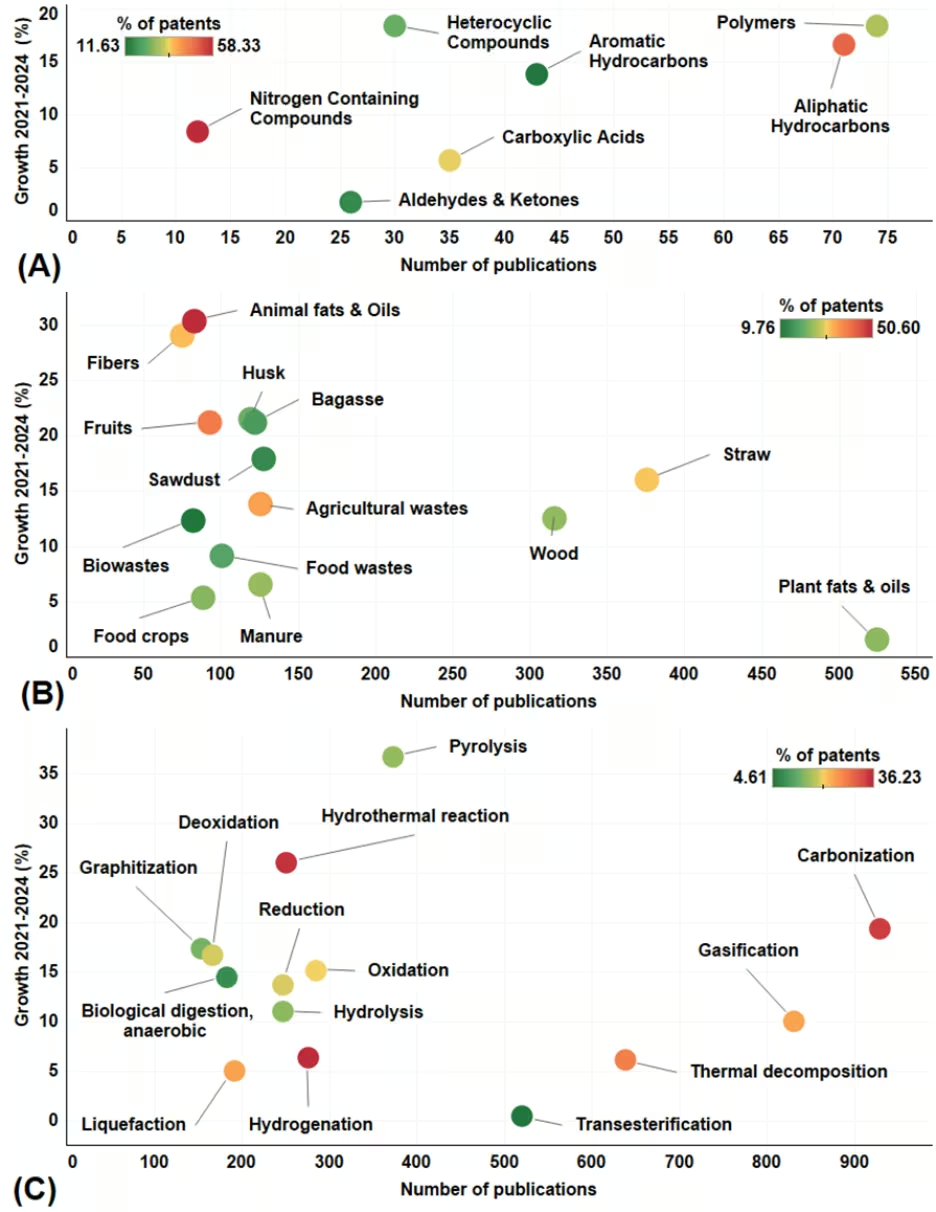
To identify the year-over-year (YoY) growth dynamics of key biomass conversion components, we generated a scatter plot summarizing trends over the past three years (see Figure 7). Specifically, Figure 7A highlights the growth rate of diverse fuel-based products, Figure 7B focuses on feedstock variations, and Figure 7C captures advancements in conversion processes. Together, these trends provide insights into the evolving dynamics of biomass utilization, reflecting technological progress and market adaptation within the bioenergy sector.

catter plots displaying the YoY growth trends with respect to the number of publications observed for (A) fuel-based products, (B) feedstocks, and (C) conversion processes in the CAS Content Collection. Data points are color-coded based on the percentage of patents, with red indicating the highest patent share and green the lowest.

Figure 7: Scatter plots displaying the YoY growth trends with respect to the number of publications observed for (A) fuel-based products, (B) feedstocks, and (C) conversion processes in the CAS Content Collection. Data points are color-coded based on the percentage of patents, with red indicating the highest patent share and green the lowest.

Figure 7A shows that fuels derived from aliphatic hydrocarbons, aromatic hydrocarbons, polymers, and heterocyclic compounds have exhibited the highest YoY growth over the past three years, indicating strong momentum despite their varying levels of technological maturity. Notably, the surge in patent publications for aliphatic hydrocarbons points to significant commercial interest in bio-based alternatives to conventional fossil fuels. 

In contrast, aldehydes and ketones show near-zero growth despite moderate research activity, which may reflect unresolved technical challenges or limited market potential for these compounds as primary fuels. Interestingly, nitrogen-containing compounds show only modest growth rate but exhibit the highest percentage of patent publications, signaling targeted commercial efforts to exploit their unique chemical properties for specialized biofuel applications. 

Figure 7B illustrates that animal fats and oils, along with fibers, stand out with the highest growth rate of nearly 30% and the highest percentage of patent activity. This suggests that these feedstocks are gaining traction in practical applications rather than academic research, possibly due to their suitability for producing high-value fuels such as biodiesel and jet fuel. 

Conversely, plant fats and oils dominate literature but exhibit negligible growth and a lower percentage of patent publications, indicating that while research interest remains high, commercialization may be constrained by cost or supply chain limitations. Husk, bagasse, and fruit residues cluster around a 20% growth rate with moderate publication activity, signaling an increasing role for plant-based residues in biomass conversion. Surprisingly, food crops, biowastes, and manure show limited growth despite their sustainability advantages, which may reflect persistent economic or logistical challenges in collection, processing, or scalability.

In figure 7C, pyrolysis stands out with an impressive 36% growth despite only moderate research activity. This surge likely reflects its inherent advantages such as rapid processing, ability to handle wet feedstocks, and production of multiple high-value products such as biochar, bio-oil, and syngas. Traditional thermochemical processes like carbonization and gasification exhibit an inverse relationship between publication volume and growth rate. Although these methods maintain industrial relevance as reflected by their high share of patents, their slower growth suggests they are reaching technological maturity, which in turn reduces research momentum. 

Hydrothermal reactions emerge as a particularly promising pathway, combining a strong 26% growth rate with significant patent activity. This trend indicates commercially viable innovations in moderate-temperature processing, offering a unique position between harsh thermal methods and mild biochemical routes. Hydrogenation, although exhibiting very low YoY growth and limited research output, shows a high proportion of patent filings, likely due to its versatility in producing fuels and platform chemicals from diverse feedstocks. Biological processes, despite their sustainability credentials, lag in growth, possibly constrained by slow reaction kinetics and scale-up challenges that continue to limit their industrial adoption. 

Together, these trends highlight how technological maturity, commercial interest, and scalability are shaping the future of biomass conversion toward more efficient and market-driven solutions.

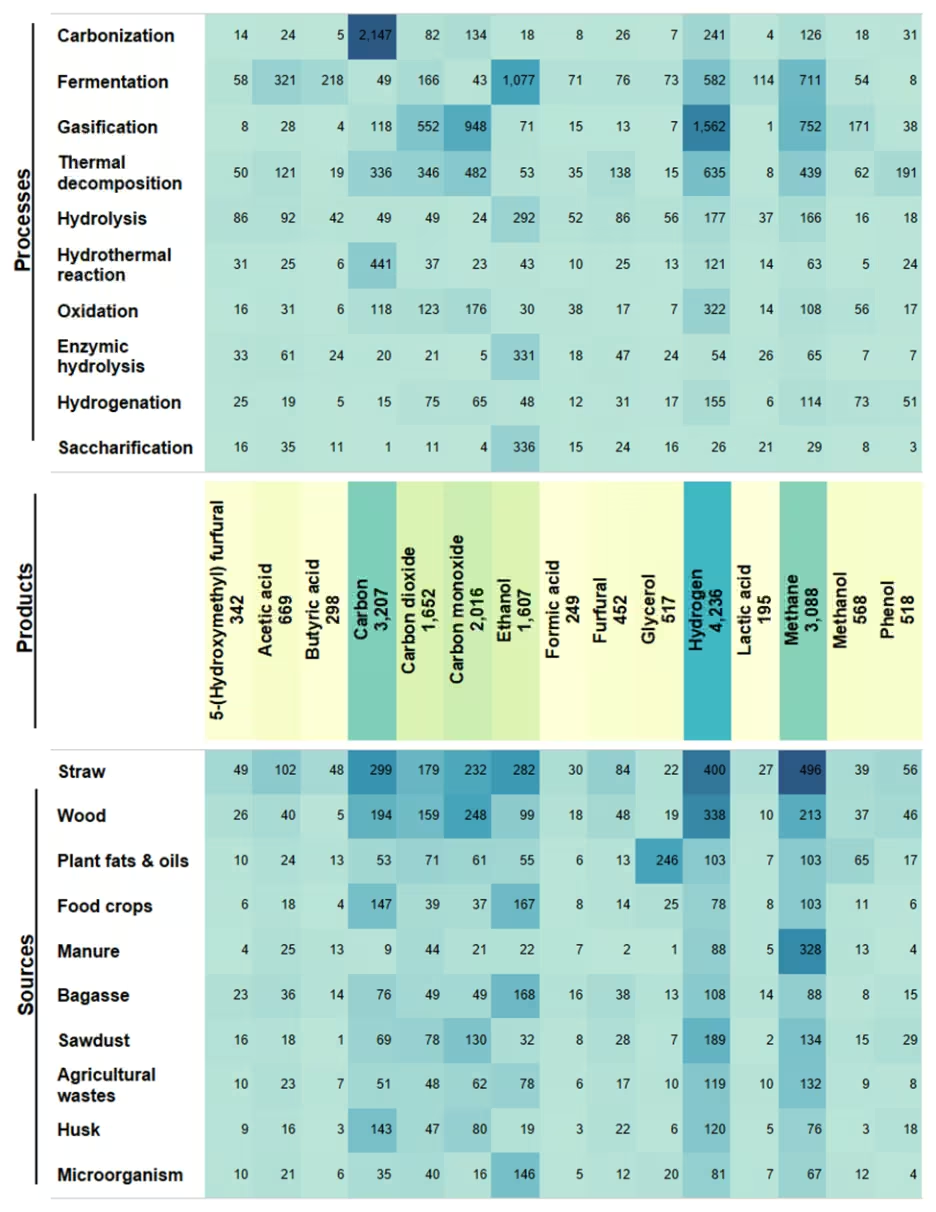
We identified the top 15 substances within the fuel category and conducted a co-occurrence analysis to quantify and visualize the associations between these substances and their respective feedstocks and conversion processes (see Figure 8). This approach enabled the identification of dominant feedstock and process pathways contributing to the synthesis of each fuel-related substance.

Heatmap illustrating the co-occurrence between product substances in the fuel category and their associated feedstocks and conversion processes. Source: CAS Content Collection.

Figure 8: Heatmap illustrating the co-occurrence between product substances in the fuel category and their associated feedstocks and conversion processes. Source: CAS Content Collection.

Hydrogen has the highest number of documents, underscoring its importance as a clean and renewable fuel with wide-ranging applications in energy and transportation such as fuel cell vehicles, backup power systems, industrial heating, and grid energy storage. It is mainly obtained through thermochemical processes such as gasification and thermal decomposition of lignocellulosic residue like wood, straw, and sawdust. 

Carbon is the next most prominent substance, commonly used as a solid fuel in the form of charcoal and coke due to its high carbon content and energy density. Additionally, carbon-based materials such as activated carbon are employed in energy storage and conversion applications, particularly as electrode materials in batteries. These carbon forms are primarily obtained from the carbonization of biomass sources like wood and straw. 

Methane comes next in this category and is primarily derived from biomass sources such as straw and manure via gasification and fermentation processes. Methane is widely used as a biofuel for electricity generation, heating, and as a transport fuel in the form of biogas or compressed biomethane. 

Additionally, carbon monoxide (CO) generated during the gasification of lignocellulosic waste can be combined with hydrogen to form syngas, a versatile fuel mixture used for electricity generation. Ethanol is also used as a biofuel in vehicles due to its high-octane rating, clean-burning nature, and renewable production from fermentation of varied biomass sources such as straw, bagasse, food crops, and microorganisms. 

Platform chemicals and materials: Analysis of feedstocks, conversion processes, and products

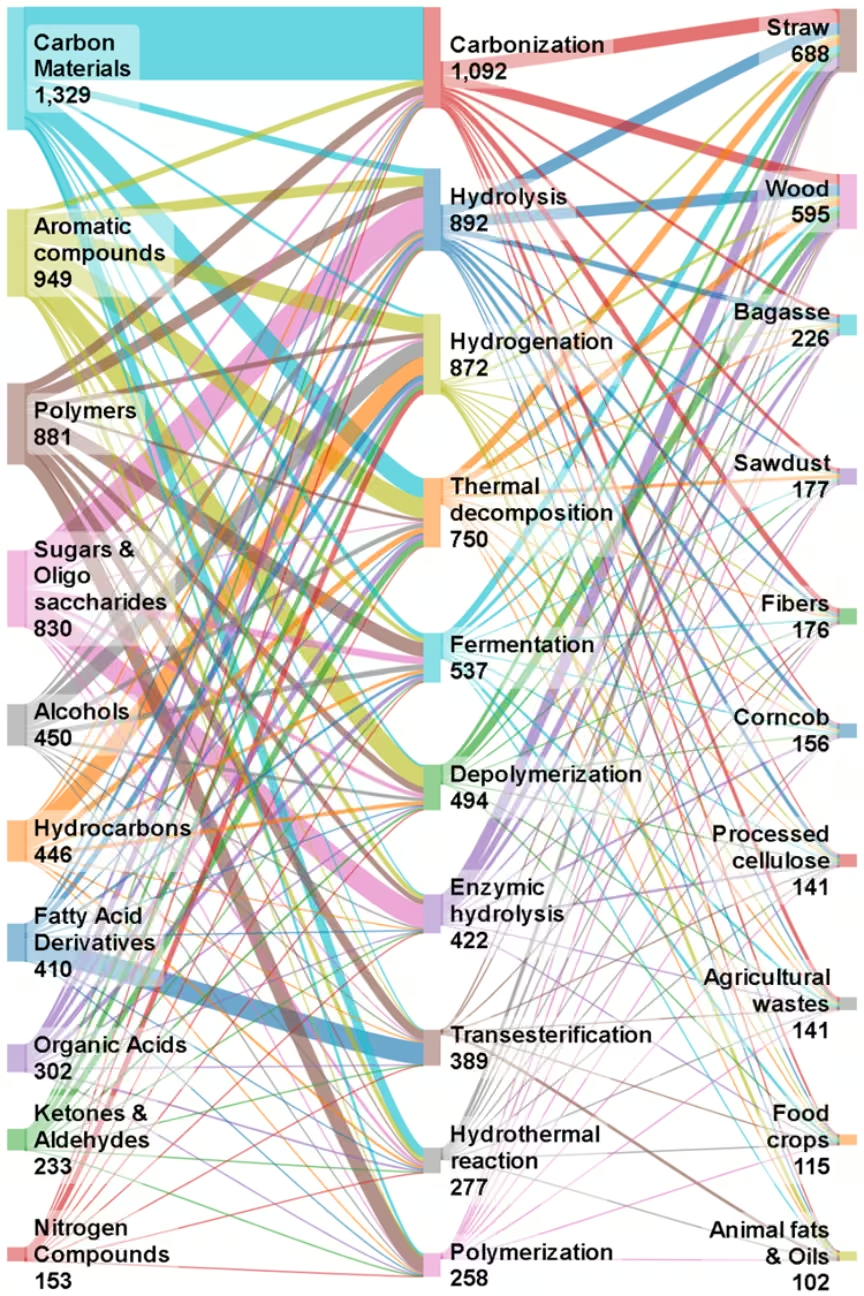
We conducted a similar set of analyses to understand the product category of platform chemicals and materials. First, we explored the correlation between biomass feedstocks, conversion processes, and these chemical products (see Figure 9). 

Sankey diagram connecting the platform chemicals and material products to their respective conversion processes and feedstocks based on the number of documents in the CAS Content Collection.

Figure 9: Sankey diagram connecting the platform chemicals and material products to their respective conversion processes and feedstocks based on the number of documents in the CAS Content Collection.

The analysis indicated that carbon materials are primarily produced through carbonization, a process that enhances carbon content, reduces volatile matter, and imparts a porous structure to the final product. Thermal decomposition and hydrothermal reactions are also significant thermochemical processes employed in the synthesis of carbon materials such as charcoal, carbon fiber, and carbonaceous materials. Biomass feedstocks commonly subjected to carbonization include straw, wood, and fibers.

One of the major processes for generating aromatic compounds from biomass is depolymerization, which involves the catalytic breakdown of complex polymers such as lignin. Thermal decomposition and hydrogenation are other two prominent processes to generate aromatic compounds. 

The production of polymers from biomass primarily relies on polymerization, typically following fermentation processes that also yield bio-based monomers for subsequent polymerization. Other approaches such as transesterification, carbonization, and hydrolysis are also used, offering pathways to functional polymers and carbon-rich materials depending on the nature of the biomass and processing conditions.  

Hydrogenation serves as the predominant method for the synthesis of alcohols and hydrocarbons. Fatty acid derivatives are primarily obtained through transesterification reactions. This preference is largely attributed to the nature of their primary sources: triglycerides, fatty acids, rich plant fats, and oils, making them highly suitable for transesterification to generate other esters. Hydrolysis, including enzymatic hydrolysis, is among the key processes associated with the conversion to sugars and oligosaccharides. 

Straw and wood are also predominantly associated with hydrolysis processes, which effectively convert their lignocellulosic components into sugar derivatives. Organic acids are mostly obtained via hydrolysis and thermal decomposition. Ketones and aldehyde are predominantly linked with thermal decomposition and hydrogenation, while nitrogen compounds are predominantly associated with hydrogenation. Overall, our analysis offers a comprehensive overview of how various conversion processes are linked to specific biomass feedstocks, and how these processes determine the types of products obtained.

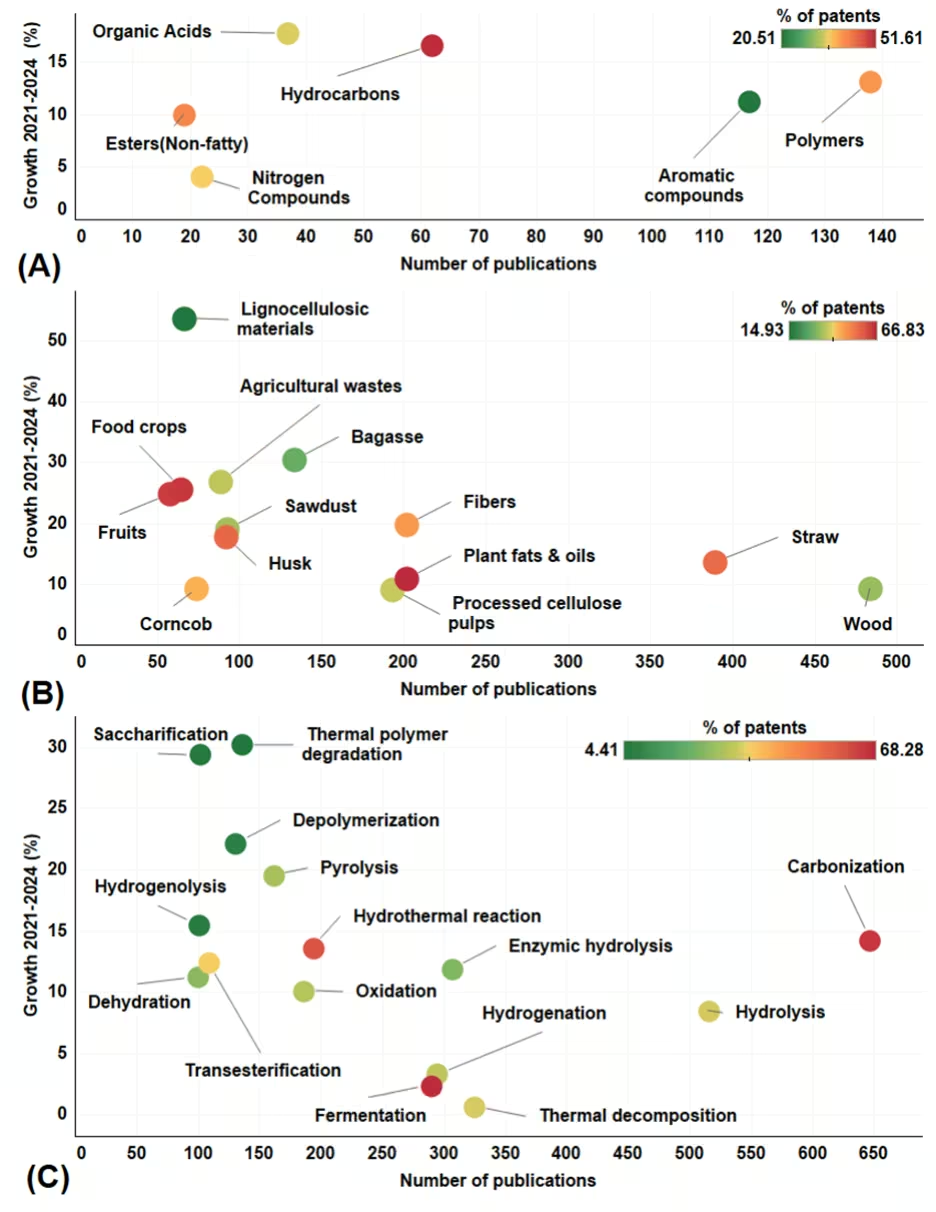
We also analyzed the average YoY growth for the period 2021-2024 and the percentage of patents to identify emerging topics and those with high commercial interest (see Figure 10).

Average growth vs. the number of publications and patent percentage for the select topics in the platform chemicals and materials product category. (A) products; (B) sources; (C) processes. Source: CAS Content Collection.

Figure 10: Average growth vs. the number of publications and patent percentage for the select topics in the platform chemicals and materials product category. (A) products; (B) sources; (C) processes. Source: CAS Content Collection.

Organic acids are experiencing robust growth with moderate patent activity, reflecting their role as platform molecules for polymer synthesis and chemical intermediates. This growth is driven by advances in catalytic conversion of sugars to levulinic acid, succinic acid, and other building blocks, with increasing industrial interest in bio-based alternatives to petroleum-derived acids.  

Polymers maintained steady growth with substantial patent activity, reflecting ongoing commercialization of bio-based polyesters, polyurethanes, and polyamides. The high number of publications indicate sustained research interest in improving polymer properties and developing new bio-based monomers, while the high patent percentage demonstrates industrial commitment to market implementation.  

Hydrocarbons as products exhibit notable growth with moderate publication volume and high patent activity. This combination indicates commercial interest in bio-based hydrocarbon production for fuel and chemical applications. Growth is driven by the need for renewable alternatives to petroleum-derived hydrocarbons and advances in catalytic conversion technologies.

Food crops show the highest patent percentage among feedstocks, indicating strong commercial interest despite moderate publication volume. This high patent activity reflects the established value chains for food crop processing and the relatively straightforward path to commercialization that can leverage existing agricultural infrastructure. Plant fats and oils also demonstrate high patent activity with substantial publication volume. The high patent percentage suggests established commercial viability in biodiesel production, oleochemicals, and specialty applications.  

Lignocellulosic materials as feedstock demonstrate exceptional growth despite moderate publication volume. These may be emerging technological breakthroughs in using the most abundant biomass resource. Growth is driven by advances in pretreatment technologies, enzyme systems, and integrated processing approaches that address the recalcitrance of lignocellulosic biomass. Bagasse also shows strong growth with substantial publication volume, reflecting its importance as a readily available agricultural residue. 

Most of the processes which show high growth in recent years are related to the conversion of natural polymers in biomass. Thermal polymer degradation exhibits the highest YoY growth rate among conversion processes. This remarkable growth reflects increasing interest in technologies that can break down complex polymeric structures in biomass, particularly lignin and cellulose, into valuable monomeric units. The low patent percentage suggests this field is still in early research phases, with significant opportunities for intellectual property development. 

Saccharification demonstrates exceptional growth with moderate publication volume. This reflects its critical role in converting lignocellulosic biomass to fermentable sugars. Depolymerization shows substantial growth driven by advances in catalytic depolymerization, solvent-based fractionation, and selective bond cleavage technologies that enable targeted production of aromatic compounds and other valuable chemicals.  

Pyrolysis also exhibits high growth with moderate publication volume, reflecting technological maturation and commercial deployment. Fast pyrolysis for bio-oil production and catalytic pyrolysis for specific chemicals is driving this growth. The process benefits from its ability to handle diverse feedstocks and produce multiple product streams, making it attractive for distributed processing and rural economic development.  

Carbonization exhibits exceptionally high patent activity with the largest publication volume, indicating technological maturity and continued innovation. The high patent percentage reflects diverse applications including activated carbon production, biochar for agriculture, and advanced carbon materials. Commercial drivers include environmental remediation markets, soil amendment applications, and emerging opportunities in energy storage and carbon sequestration.  

Fermentation shows high patent activity with significant publication volume, reflecting the maturity of biotechnology applications. The high patent percentage indicates established commercial pathways for ethanol, organic acids, and other fermentation products. Continued innovation focuses on novel microorganisms, metabolic engineering, and integrated bioprocessing approaches.

In addition to the products discussed in earlier sections, we analyzed the individual substances indexed with product roles (see Figure 11). The data revealed a significant research focus on 15 key platform chemicals derived from biomass conversion, with carbon, 5-(hydroxymethyl)furfural (HMF), and furfural emerging as the most studied products.  

Top 15 products from the platform chemicals and materials category and the processes and sources co-occurring with these substances. Source: CAS Content Collection.

Figure 11: Top 15 products from the platform chemicals and materials category and the processes and sources co-occurring with these substances. Source: CAS Content Collection.

5-(Hydroxymethyl)furfural (HMF) and furfural represent crucial furanic platform molecules, serving as precursors for biofuels, polymers, and fine chemicals. HMF is particularly valuable for producing 2,5-furandicarboxylic acid (FDCA), a renewable alternative to terephthalic acid in polyester production. Furfuryl alcohol, derived from furfural hydrogenation, finds extensive use in foundry resins, adhesives, and as a precursor for furan resins.  

Carbon materials derived from biomass carbonization processes yield activated carbons, biochar, and carbon nanomaterials essential for environmental remediation, energy storage, and soil amendment applications. The significant research interest reflects the versatility of biomass-derived carbon materials in addressing multiple sustainability challenges.  

Phenolic compounds, including phenol and guaiacol are vital for producing phenolic resins, bisphenol A alternatives, and various pharmaceutical intermediates. Guaiacol, with its methoxy functionality, offers unique opportunities for producing vanillin and other value-added aromatics. Levulinic acid is significant as a platform molecule for producing γ-valerolactone, methyltetrahydrofuran, and various esters used as fuel additives and green solvents. Acetic and formic acids serve as chemical intermediates and as products for direct industrial application. Gaseous products including hydrogen, carbon dioxide, carbon monoxide, and methane demonstrate the integration of biomass conversion with energy production and synthesis gas generation. Hydrogen production from biomass is particularly relevant for the emerging hydrogen economy.

The analysis reveals distinct patterns in conversion process selection for different platform chemicals. Carbonization dominates carbon production, reflecting its effectiveness in producing high-carbon-content materials through thermal treatment. Hydrolysis processes, chemical and enzymatic, emerge as critical for deconstructing complex biomass natural polymers. The prominence of hydrolysis in HMF and furfural production underscores its role in converting cellulosic and hemicellulosic fractions into furanic compounds. 

The high co-occurrence of enzymatic hydrolysis and fermentation with ethanol reflects their role in breaking down cellulose into fermentable sugars like glucose, followed by the fermentation to produce bioethanol. Thermal decomposition and depolymerization processes show particular relevance for aromatic compound production, with strong associations to guaiacol and phenol. These processes effectively break down lignin structures to release valuable aromatic compounds.

The feedstock analysis reveals that agricultural residues dominate as raw materials for platform chemical production. Straw (which includes corn, rice, and wheat straw) shows the highest use across multiple products, with strong representation in furfural production and HMF production. This reflects the high pentosan and hexosan content in these materials, making them ideal for furanic compound production.  

Wood biomass demonstrates versatility as a feedstock, showing significant co-occurrences with carbon production, furfural, phenol, and guaiacol. The high lignin content in woody biomass makes it particularly suitable for producing aromatic platform chemicals through depolymerization. The substantial co-occurrence with carbon production also reflects wood's traditional role in charcoal and activated carbon manufacturing. Bagasse shows balanced use across multiple products, with furfural and carbon production being its highest associations. 

Future directions for biomass products 

The biomass conversion field shows significant research activity, with journal publications outnumbering patents, which suggests that commercialization of these materials is still a challenge. To gain widespread adoption, biofuels and biochemicals must overcome the food-versus-fuel issue, essentially relying on non-food bio-based inputs to generate fuels and chemicals without restraining food supplies and driving up food prices. Energy efficiency and limiting emissions from conversion processes are also key to making these materials economically and environmentally viable.

These challenges are formidable, but not insurmountable. Growing environmental concerns and the limits of fossil fuel resources will continue to drive interest in biomass-derived energy and chemical sources. Industrial decarbonization is set to continue as the world grapples with the impacts of climate change, and biofuels and biochemicals are important components of lower-emissions industrial processes.

As our analysis of the publication landscape shows, there is ample opportunity to leverage biomass feedstocks and various conversion methods into sought-after industrial products. The volume of research to date demonstrates that the science is advancing, and with continued breakthroughs, these bio-based materials can make the leap from experimental innovations to common inputs that the modern economy relies on.

Download a print version of this report

Related CAS Insights

__wf_예약_상속
이머징 사이언스

지질 기반 약물 전달의 미래.

__wf_예약_상속
이머징 사이언스

탄소 포집 기술, 산업 현장으로의 확장이 가능한 단계에 도달

__wf_예약_상속
이머징 사이언스

동시 발생 개념이 면역종양학에서 새로운 연구 방향을 제시합니다

Gain new perspectives for faster progress directly to your inbox.