Recent advances in biodegradable plastics like polylactic acid (PLA) and polyhydroxyalkanoates (PHA) create eco-friendly alternatives to conventional plastics. These plastics offer similar performance while decomposing naturally, reducing plastic waste in landfills and oceans.
Innovations in nanomaterials are enhancing a range of industries, including biomedicine, energy storage, and sensing. In addition to proving highly effective, nanomaterials are also associated with long-term stability and recyclability.
Materials such as carbon-sequestering concrete and mycelium-based composites are gaining traction. These materials absorb more carbon dioxide during production and use than they emit, offering solutions to reduce the carbon footprint of industries like construction and packaging.
Advances in bio-based plastic materials, such as those derived from corn starch, sugarcane, and algae, are helping replace petroleum-based materials. These renewable materials reduce reliance on fossil fuels and contribute to a circular economy.
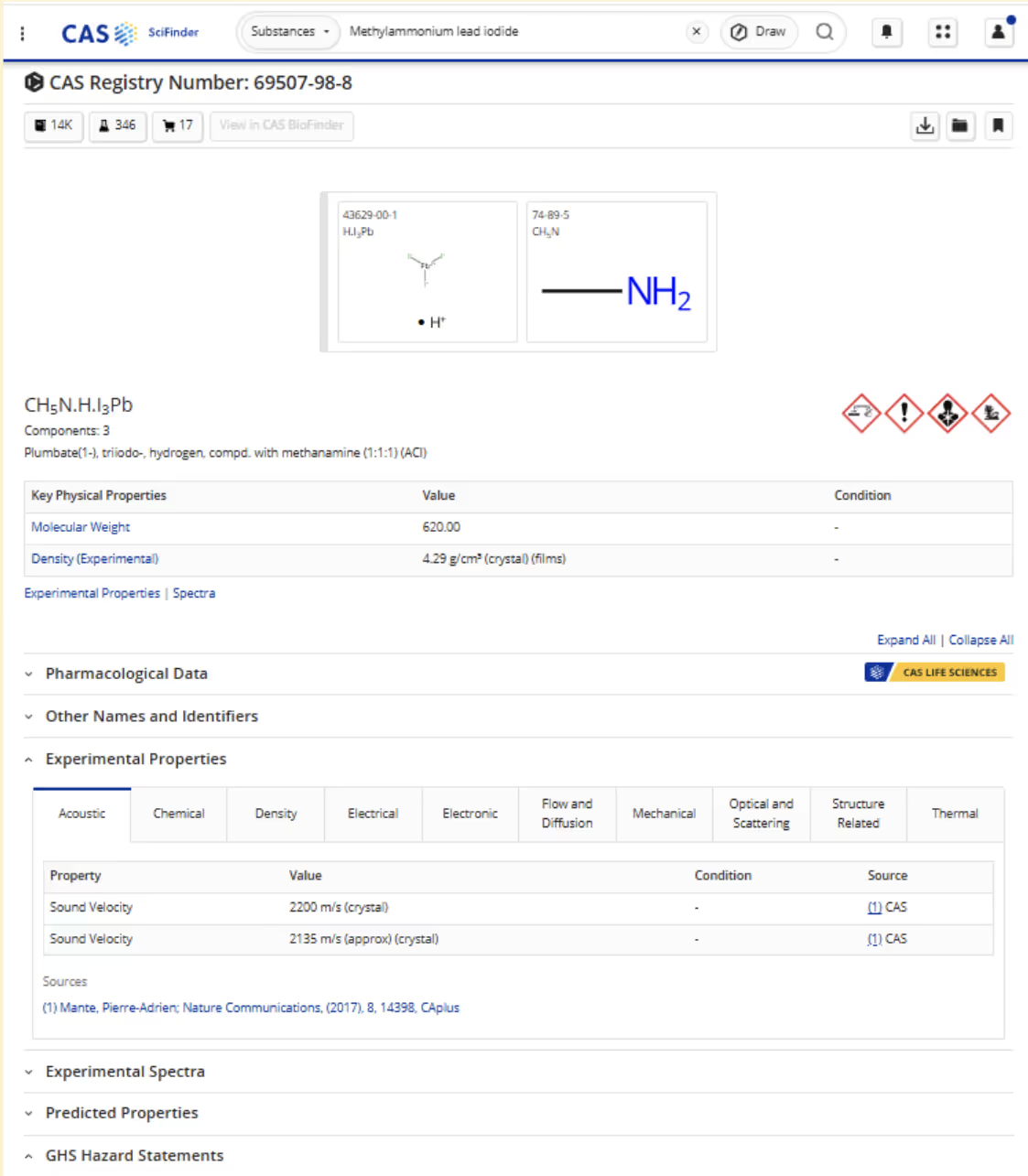
随着全球研究兴趣的提升,有关这些材料的新进展层出不穷。为了跟上步伐并支持研究突破,研究人员必须能够获取最新的出版物和洞察。CAS SciFinder® 基于全面的 CAS Content CollectionTM,为您团队提供全球研究的关键洞察。随着研究的深入,您可以使用“提醒”功能,在有符合您 CAS SciFinder 搜索条件的新结果发布时及时收到通知,从而随时掌握领域内的最新进展。