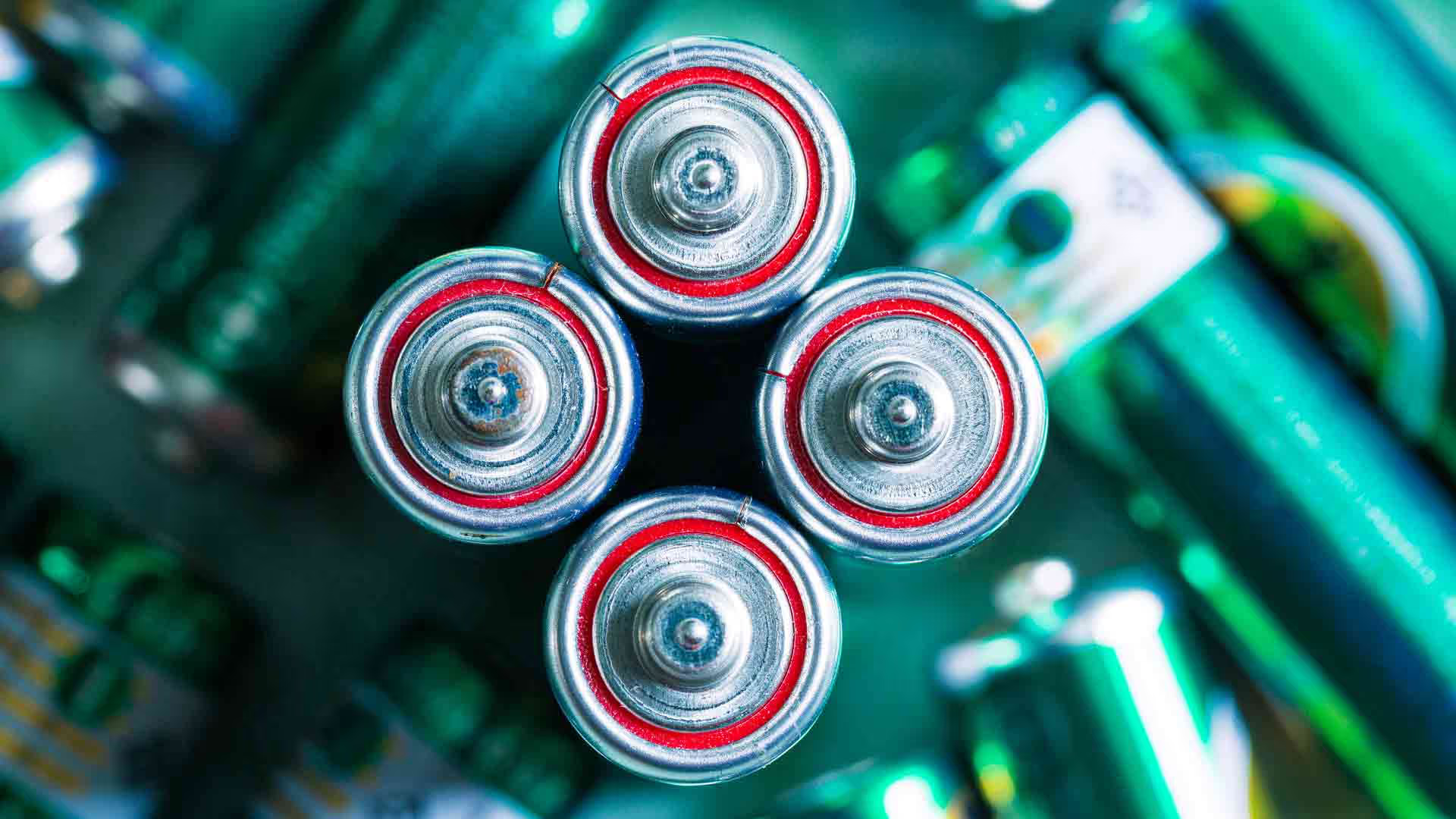

리튬 배터리는 어디에나 존재합니다. 노트북과 휴대폰에 전력을 공급하고, 에너지 저장 시스템(ESS)에 사용되며, 전기차(EV)에서 가장 흔히 쓰이는 배터리 기술입니다. 따라서 리튬에 대한 수요는 계속 증가할 것입니다. 2025년 1분기 미국 내 전기차 판매량은 11.4% 증가했으며, 국제에너지기구(IEA)는 2022년에서 2023년 사이에만 리튬 배터리 수요가 30% 증가한 것으로 추정합니다.
전기차와 배터리 에너지 저장 장치는 온실가스 배출을 줄이는 중요한 요소이기에 이러한 성장은 고무적입니다. 그러나 리튬 수요가 증가함에 따라 공급 문제는 더욱 심각해질 것입니다. 육상 자원의 전 세계 리튬 매장량은 약 2,200만 톤으로 추정되며, 고농도 리튬은 남미 국가들과 중국의 고품질 염수, 호주의 경암 광산 등 소수의 지역에만 집중되어 있습니다.
{{microelectronics="/ads"}}
수요 증가에 따른 공급 문제뿐만 아니라, 이러한 자원에서 리튬을 추출하는 과정 또한 과제를 안고 있습니다. 염수에서 리튬을 추출하는 방식은 태양열 증발과 화학적 침전 과정을 거치는데, 이는 시간이 오래 걸릴 뿐만 아니라 지역 생태계와 수자원을 변화시킬 수 있습니다. 경암 채굴 역시 환경에 영향을 미치며 많은 양의 화학 물질과 물을 소비합니다.
이러한 과제를 해결하기 위해 연구진은 궁극적으로 해수에서 리튬을 추출하는 것을 목표로 새로운 방법을 탐구하고 있습니다. 바다에는 약 2,000억 톤의 리튬이 존재하여 사실상 고갈되지 않는 자원이지만, 농도가 180ppm으로 매우 낮고 나트륨과 같은 다른 이온들이 다량으로 섞여 있습니다.
해양 자원을 활용하기 위해 어떻게 추출 기술을 개선할 수 있을까요? 담수화 기술을 재구성하고 정교화함으로써 염수에서의 리튬 추출 효율을 높일 수 있으며, 이를 궁극적으로 해수까지 확장할 수 있습니다.
직접 리튬 추출이 새로운 가능성을 열어줍니다
직접 리튬 추출(DLE)은 석유 및 가스전의 염수, 지열 염수, 염호 등을 포함한 다양한 염수에서 리튬 이온을 효율적으로 포집하는 것을 목표로 합니다. 이 과정을 수행하는 여러 방법이 있으며, 대부분은 기존의 담수화 및 폐수 처리 기술에서 응용된 것입니다. 우리는 과학 정보의 최대 큐레이션 데이터베이스인 CAS Content CollectionTM을 분석하여 이러한 기술의 변화를 파악했으며, 최근 몇 년간 DLE 관련 논문이 급격히 증가했음을 확인했습니다(그림 1 참조). 지난 2년간 가파른 성장세를 보였으며, 2025년 첫 두 달 동안의 논문 수만으로도 2024년 전체의 3분의 1에 달했습니다.
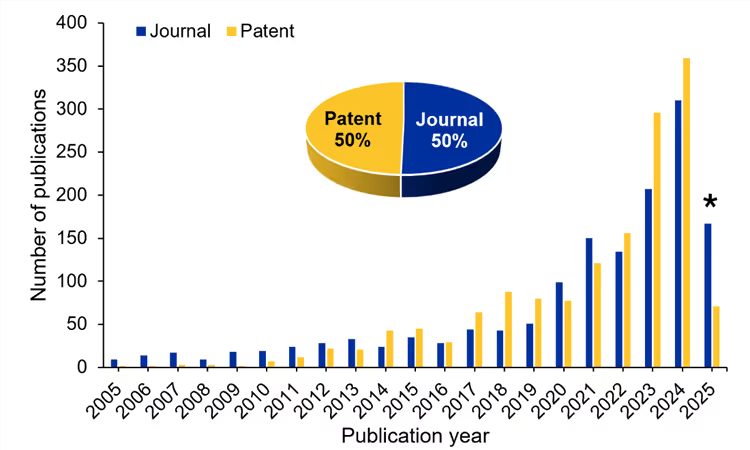
전체 논문의 절반이 특허라는 사실은 이 기술들에 대한 상업적 관심이 매우 높음을 보여줍니다. 리튬 배터리 수요 증가를 고려하면 이는 당연한 결과입니다. DLE는 기존 추출 방식에 비해 물과 화학 물질 소비가 적고, 환경 영향이 최소화되며, 회수율이 높고, 추출 속도가 빠르며, 비용 절감 가능성이 크다는 등 수많은 장점을 가지고 있습니다.
하지만 각 염수마다 리튬 농도, 다른 원소 및 이온의 함량, 총 용존 고형물 수치가 다르기 때문에 한 가지 방법이 모든 상황에 효과적일 수는 없습니다. DLE와 관련된 방대한 문헌에서는 각각 고유한 장단점을 가진 여러 기술이 연구되고 있습니다.
직접 리튬 추출의 유형
염수 및 잠재적으로 해수에 적용 가능한 DLE의 유형은 다섯 가지입니다.
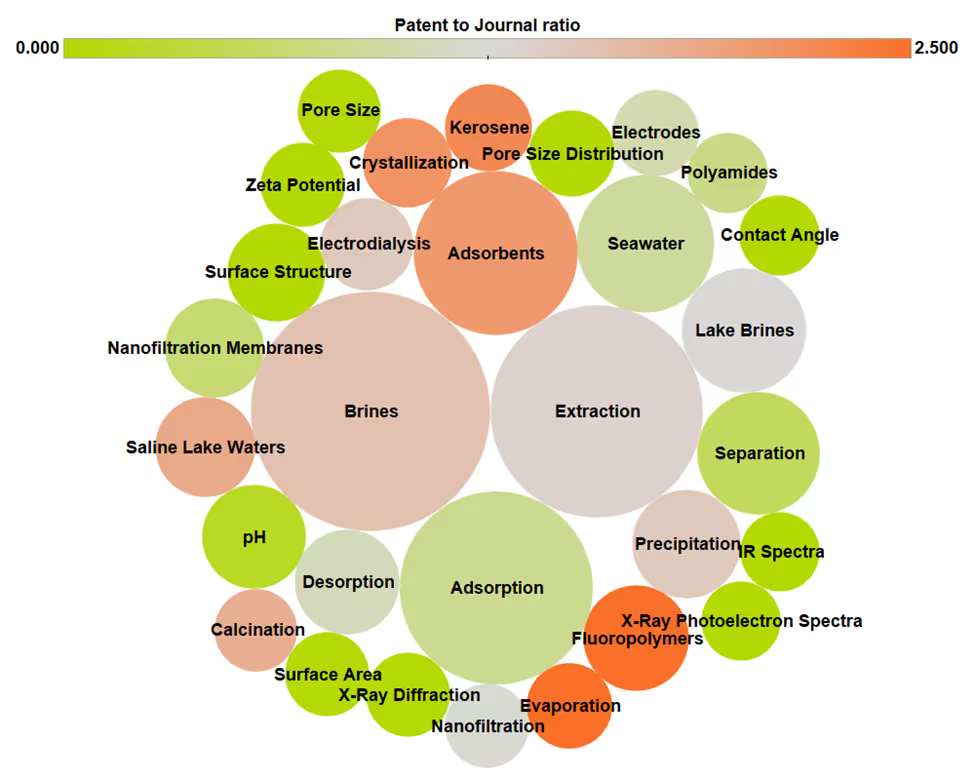
- Adsorption: Adsorption with aluminum-based materials is currently the only commercialized DLE technology. When we analyzed publications in the CAS Content Collection for concepts in DLE-related literature, “adsorption” and “adsorbents” were among the highest-reported concepts (see Figure 2). This demonstrates how widely studied this method is. The process works by adsorbents selectively binding lithium, then using a different solution to de-sorb it. Carbon, zeolites, metal-organic frameworks, and layered double hydroxides are examples of materials used in this process. The advantages of adsorption are its potential for high lithium uptake and low energy consumption. However, as researchers have noted, to reach its highest Technology Readiness Level (TRL), adsorption requires a minimum lithium content of >100 mg/L, high brine temperatures around 50℃, and sufficiently high salinity.
- Ion exchange: This process involves the exchange of lithium ions with different ions carrying the same charge inside of adsorbents. Similar to adsorption, this process has a high lithium uptake capacity. However, acidic solutions are used with intercalation materials, and these materials can become unstable or degraded due to the acids. Intercalation materials include manganese and titanium.
- Solvent extraction: This method relies on the separation of lithium based on the difference in partition coefficient of lithium between organic and aqueous phases. Solvent extraction is effective with complex brines, but it uses kerosene or methyl isobutyl ketone, which increases fire risks. There are also environmental concerns around the use of additives and solvents with this technology.
- Membranes: Semipermeable membranes can be used to selectively filter lithium ions and other salts in a brine. These membranes can be polyamide, NASICON-based materials, or reverse osmosis membranes. The process is relatively simple and environmentally friendly, and it doesn’t require high energy usage. However, this method requires pre-treatment for high-concentration brines, so it’s not efficient for every application.
- Electrochemical: This process is still in the applied research phase, but it’s showing promise. It involves the use of lithium intercalation materials as electrodes for extraction, and it can be applied to lithium-ion battery leachate, which repurposes material that would otherwise be wasted. Researchers have noted its high lithium selectivity, short reaction time, and low energy consumption. One study showed lithium manganese oxide and activated carbon electrodes were reusable with no degradation. Lithium nickel manganese oxide (LNMO) and lithium iron phosphate (LFP) are also potential electrode materials. This process still needs refinement before it’s ready for commercialization, but a Stanford-led study used it in seawater at Half Moon Bay in California and saw positive results.
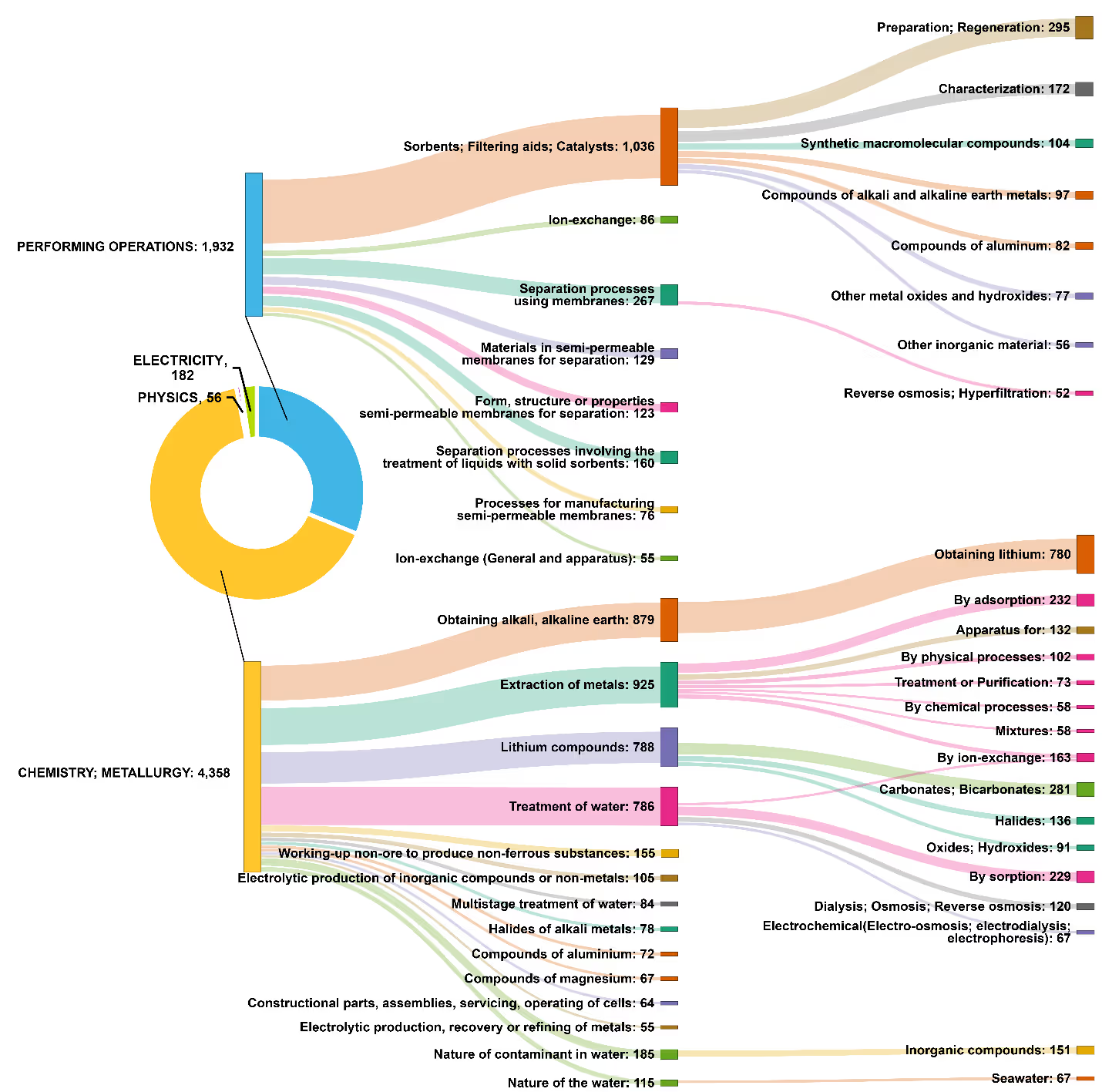
DLE 관련 국제특허분류(IPC) 코드를 평가하여 연구 현황을 추가로 분석했습니다. 대부분의 특허는 '화학; 야금' 및 '작업 수행' IPC 섹션에 속합니다. 이번 분석에서 나타난 주요 DLE 방식은 개념 분석 결과와 일치하며, 흡착 방식이 가장 앞서고 그 뒤를 이어 막 기반 기술이 차지했습니다(그림 3 참조).
해수 리튬 추출의 과제
해수에서 대규모로 리튬을 효율적으로 추출하려면, 기존 염수에서 사용되는 방식을 개선하여 저농도 해수에서도 다량의 리튬을 추출할 수 있는 수준까지 기술을 끌어올려야 합니다. 이 과정에는 장벽이 존재합니다. 현재의 추출 방식은 태양 증발법과 같은 기존 방식보다 비용이 많이 듭니다. 또한, 이러한 기술이 경제성을 확보하려면 리튬 가격이 안정적으로 유지되어야 합니다.
확장성 또한 과제입니다. 추출 방식이 대규모로 적용 가능해야 할 뿐만 아니라, 이상적으로는 다양한 유형의 염수에 적용할 수 있어야 모든 수자원을 활용할 수 있습니다. 이러한 개선이 이루어진다면 DLE 기술을 해수까지 확장하여 향후 리튬 부족 사태를 예방할 수 있을 것입니다.
상당히 어려운 과제이지만, 자동차와 개인용 기기에 리튬 배터리 사용이 더욱 보편화됨에 따라 혁신을 향한 동력이 더 많은 연구와 더 나은 기술 개발을 이끌어낼 것입니다.